
Woodworking Projects You Can Build Without a Workshop

When people say they want to get into woodworking, there's usually a pause right after.
"I don't have a workshop."
What they really mean is: no garage, no big table saw, no dust collection system, no space to leave a half-finished project sitting around for weeks.
Here's the good news: woodworking doesn't start with a workshop. It starts with a flat surface, a few basic tools, and projects that don't fight your space.
If your "shop" is a balcony, a spare room, a driveway, or the corner of a living room, these projects are not just possible---they're practical.
1. What "No Workshop" Woodworking Actually Looks Like
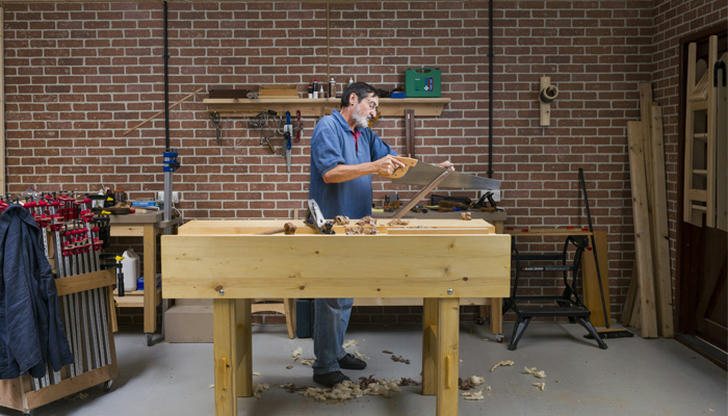
Before getting into projects, let's reset expectations.
No-workshop woodworking usually means:
You set up and break down in the same day
You work on a folding table, sawhorses, or the floor
You rely more on design choices than heavy machinery
You control dust, noise, and storage
That's not a limitation. It just changes what you build---and how smart the design needs to be.
2. Wall-Mounted Shelves (That Hide Their Mistakes)
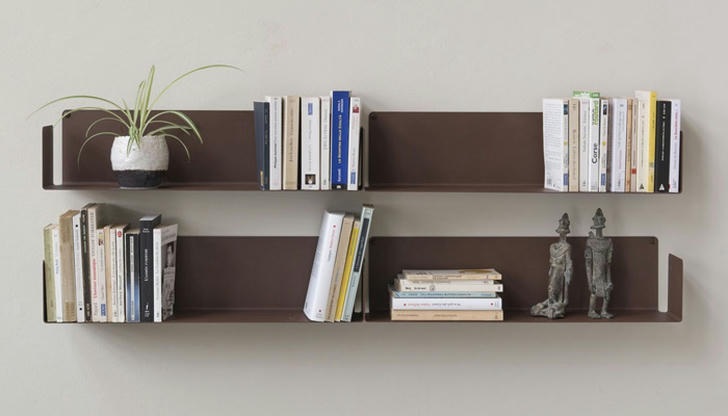
Wall shelves are one of the best no-workshop projects because:
Parts are small and manageable
Cuts are straight and repeatable
Installation happens on the wall, not the bench
The trick is choosing designs that forgive small errors.
Floating shelves with a solid face edge, box-style shelves, or shelves with front trim hide uneven cuts and minor gaps. You can cut everything with a circular saw or even have the store cut boards to size.
Build the shelf box on the floor, sand it outside, finish it in sections, and mount it when dry. No shop required.
3. Simple Storage That Actually Reduces Clutter
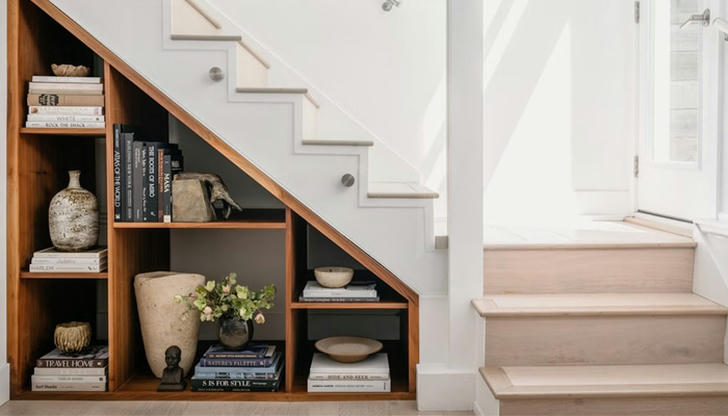
If space is limited, storage projects give you the biggest return.
Good no-workshop storage builds include:
Shoe racks
Entryway cubbies
Under-bed drawers
Stackable crates
These projects work because they don't rely on perfect joinery. Screws, glue, and square layouts do most of the work. You can build them one piece at a time and stop whenever life interrupts.
Bonus: every storage project you build creates more space for the next project.
4. Small Tables and Stools (Built in Pieces)
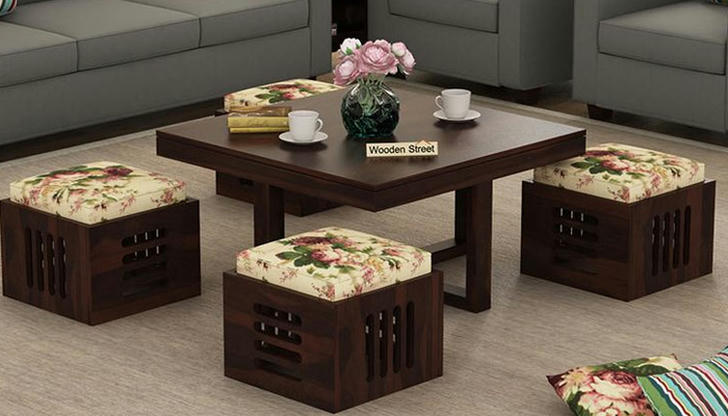
Large tables feel intimidating without a workshop---but small ones are surprisingly manageable.
Side tables, stools, and plant stands can be built in sub-assemblies:
Build the top one day
Build the legs another
Assemble everything in the final session
Using aprons, stretchers, or tapered legs makes alignment easier and hides small inaccuracies. Pocket screws or dowels keep things simple without sacrificing strength.
If you can clamp on the floor, you can build a table.
5. Projects Designed for Vertical Space
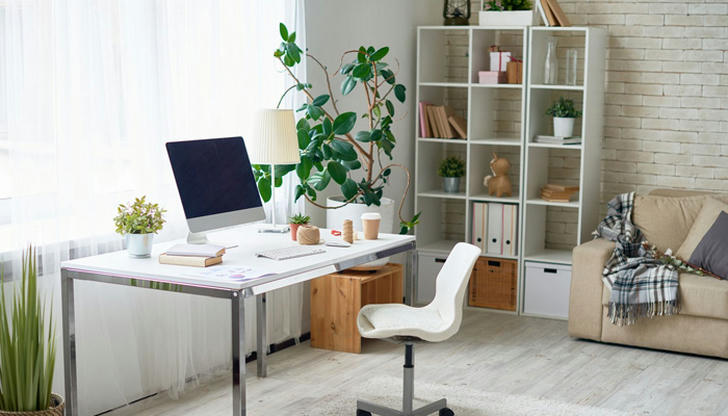
When floor space is limited, vertical projects shine.
Think:
Coat racks
Pegboards
Wall organizers
Hanging tool storage
These projects often involve narrow boards, shallow depth, and repetitive cuts---perfect for small spaces.
You can pre-finish parts, assemble vertically against a wall, and hang the project immediately, freeing up space again.
6. Folding or Collapsible Furniture
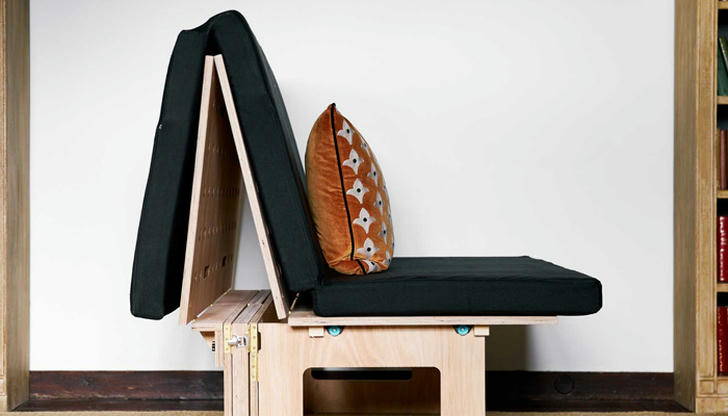
Some of the smartest no-workshop projects are ones that disappear when you're done.
Folding projects include:
Drop-leaf tables
Wall-mounted desks
Fold-down work surfaces
Collapsible benches
These builds are forgiving because hinges and movement allow for slight variation. They also match the reality of small living spaces where permanent furniture isn't an option.
You're not just building furniture---you're solving a space problem.
7. Outdoor Builds (Using Nature as Your Shop)
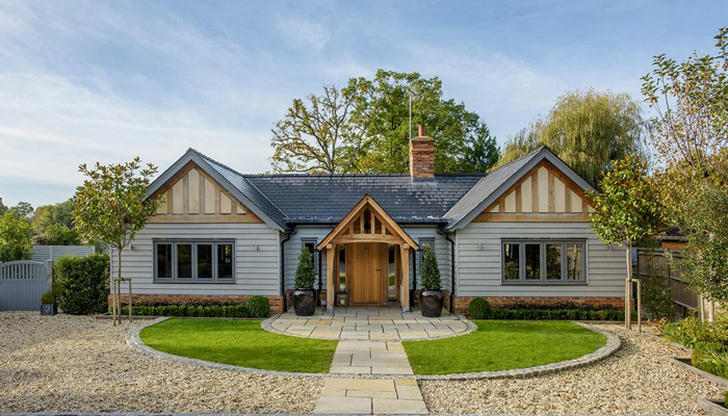
If you have access to a driveway, patio, or yard---even temporarily---outdoor projects open up options.
Good outdoor builds:
Planters
Garden benches
Storage boxes
Raised beds
Outdoor projects tolerate rougher cuts and heavier materials. You can sand outdoors, finish in open air, and store tools inside when done.
Even one good weather weekend can replace a full workshop.
8. Projects That Use Store-Cut Lumber
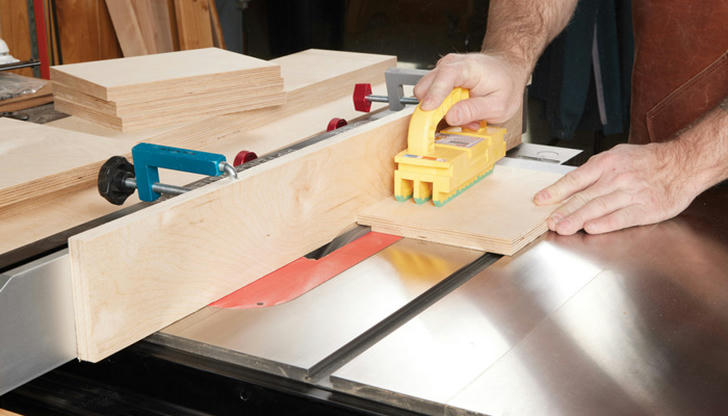
One of the biggest myths in woodworking is that you must cut everything yourself.
Many hardware stores will:
Cut plywood down to size
Rip boards into manageable widths
Reduce large sheets into car-friendly pieces
Designing projects around store-cut parts means you do assembly and refinement, not heavy processing.
This single decision removes the biggest barrier for no-shop woodworkers.
9. How to Choose the Right No-Workshop Project
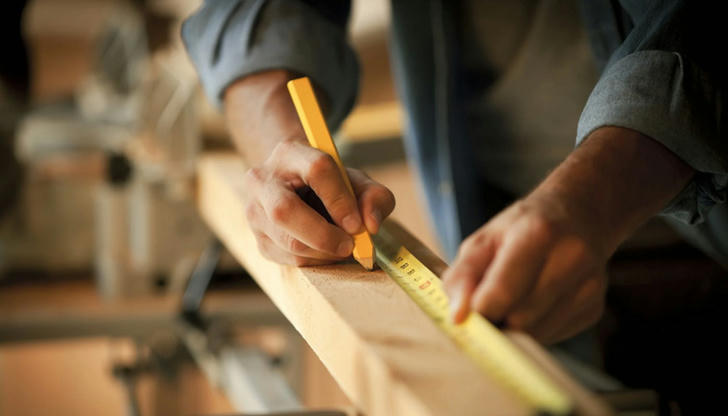
Before starting any build, ask three questions:
Can I build this in stages?
If not, it's probably not a good fit.Can I pause safely and resume later?
Life happens. Your project should survive it.Does the design forgive small mistakes?
If it demands perfection, save it for later.
Good woodworking fits your life---not the other way around.
10. The Real Secret: Design Beats Space
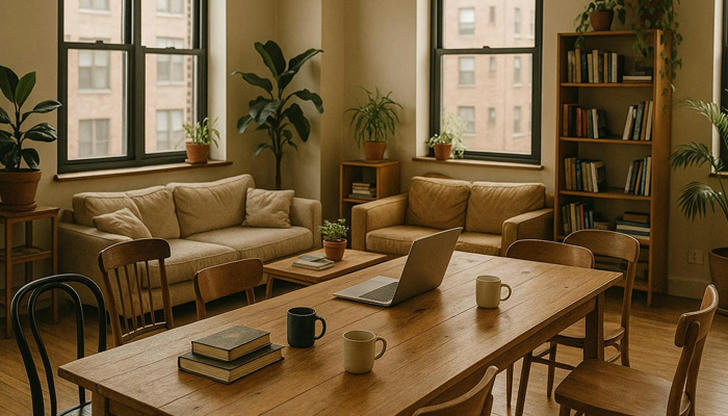
The difference between struggling in a small space and thriving isn't talent or tools. It's choosing projects that work with your environment.
Some of the cleanest, most thoughtful woodworking projects are built without workshops---because every decision matters more.
You don't need a shop to start woodworking.
You need a plan that respects your space.