
Unusual Woods and Eco-Friendly Finishes Every DIYer Should Try
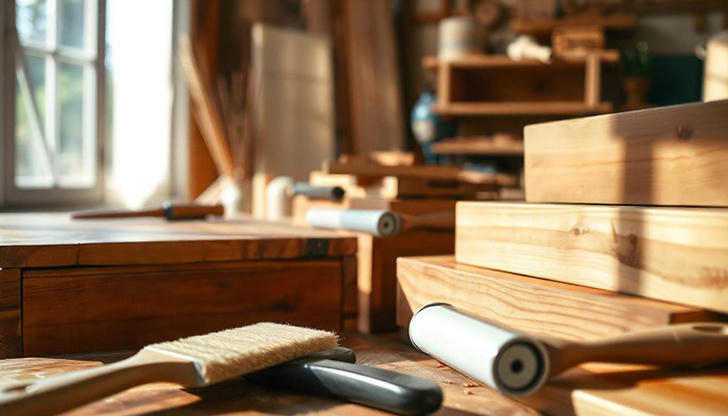
When it comes to DIY woodworking, most beginners stick to the familiar trio: pine, oak, and maple. And there's nothing wrong with those---they're reliable, affordable, and easy to find. But if you want your projects to stand out, add personality, and maybe even be a little kinder to the planet, it's time to look beyond the basics. From beginner-friendly unusual woods to eco-conscious finishes, there's a world of materials waiting to take your builds to the next level.
Beginner-Friendly Unusual Woods
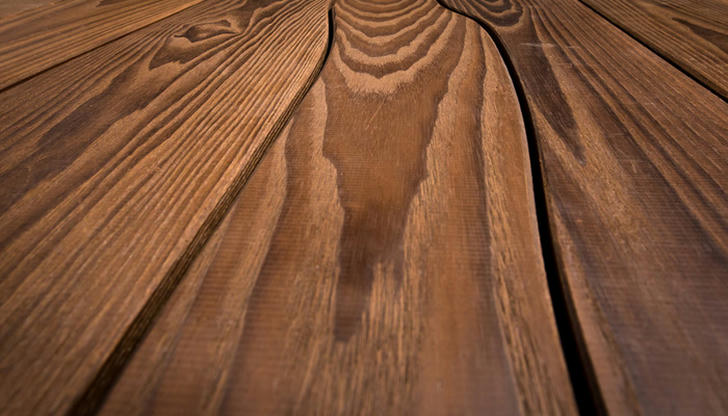
You don't need to be a professional carpenter to experiment with more unusual woods. Some options are surprisingly approachable, even for a first-time furniture builder or hobbyist crafter.
Bamboo is a great starting point. Fast-growing, lightweight, and incredibly strong, bamboo is perfect for shelves, small tables, or even cutting boards. It's smooth, so sanding is easier than many hardwoods, and its natural grain gives your project a modern, clean look. A little tip: bamboo boards can split if you drill too close to the edge, so pre-drilling holes is always smart.
Reclaimed wood is another beginner-friendly choice that comes with its own charm. Whether it's an old pallet, a barn beam, or leftover flooring, reclaimed wood adds history and character. It's a bit unpredictable, though---nails, warping, and varying thicknesses can sneak in---but that's part of the fun. A few careful prep steps---sanding, cleaning, and sealing---will turn reclaimed pieces into one-of-a-kind furniture or décor.
Then there are tropical hardwoods that are surprisingly easy to work with. Varieties like sapele, meranti, or African mahogany have stunning color and grain, but don't demand industrial-level tools or years of experience. Start with small projects like a picture frame or a shelf to get used to their density and sanding requirements. A good rule of thumb: always sand along the grain to avoid scratches, and use a finish that complements the natural color.
Eco-Friendly and Non-Toxic Finishes
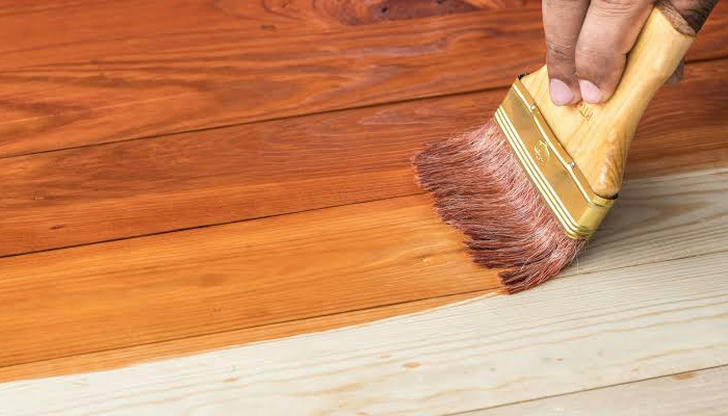
Once you've selected your wood, the next step is choosing a finish---and there's a growing audience of DIYers who care about what goes on their furniture. Non-toxic, eco-friendly finishes aren't just safer; they can enhance the wood's natural beauty in ways that synthetic products can't.
Non-toxic oils like tung oil or raw linseed oil penetrate the wood, giving it a rich, warm tone while providing protection. They're easy to apply with a rag or brush and don't require fancy equipment. Just remember: multiple thin coats are better than one thick one, and always allow adequate drying time between coats.
Beeswax blends are another simple solution, especially for small furniture, cutting boards, or décor. Beeswax not only protects the surface from minor moisture but also gives a subtle sheen that feels natural to the touch. Applying it is as easy as rubbing it on and buffing with a cloth. Plus, it's totally safe for pieces that come into contact with food.
Milk paint and natural pigments are a fun way to add color without the harsh chemicals of conventional paint. You can mix your own shades and even experiment with layering techniques for a slightly distressed, vintage look. Milk paint works especially well on softwoods, and a clear topcoat can protect it without compromising its natural texture.
Mixing Materials for Modern Projects
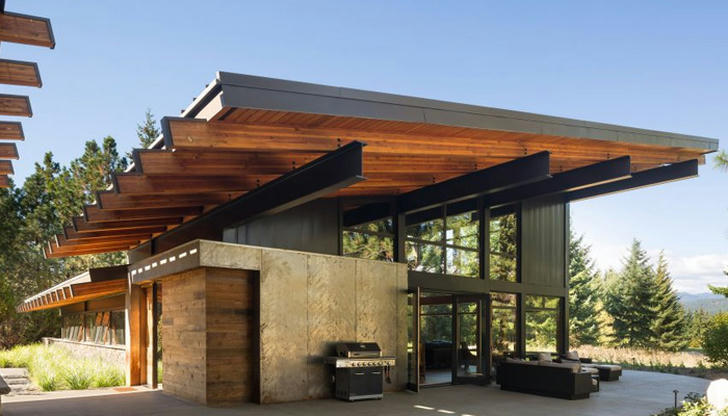
If you really want to make your woodworking stand out, don't stop at wood. Combining materials opens up endless possibilities for creativity and style.
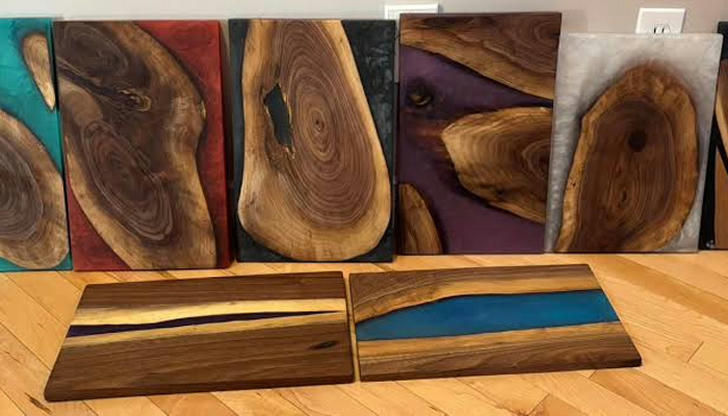
Wood + Resin is one of the trendiest pairings. Resin can fill knots, cracks, or voids, creating colorful table tops or inlays that look like something out of a designer catalog. For beginners, start with small projects like coasters or cutting boards to get a feel for pouring, mixing, and finishing resin.
Wood + Metal adds structural integrity and an industrial-modern vibe. Metal brackets, legs, or decorative inlays can transform a simple shelf or table into a statement piece. When joining metal to wood, pay attention to adhesives, screws, and expansion differences to avoid cracking or warping over time.
Wood + Concrete may sound intimidating, but it's surprisingly beginner-friendly for small accent pieces like planters, coasters, or lamp bases. Concrete gives weight and texture, while wood adds warmth. Just make sure you seal the wood first to prevent moisture absorption and choose a smooth finish to avoid rough edges.
Inspiration and Practical Tips
Now that you've got your materials and finishes, what should you build? Here are a few ideas that make the most of unusual woods and eco-friendly finishes:
Bamboo floating shelf with beeswax polish
Reclaimed wood coffee table with resin-filled cracks
Small sapele side table with natural oil finish
Wood + concrete planter box for the patio
DIY wall art combining wood, metal, and natural pigments
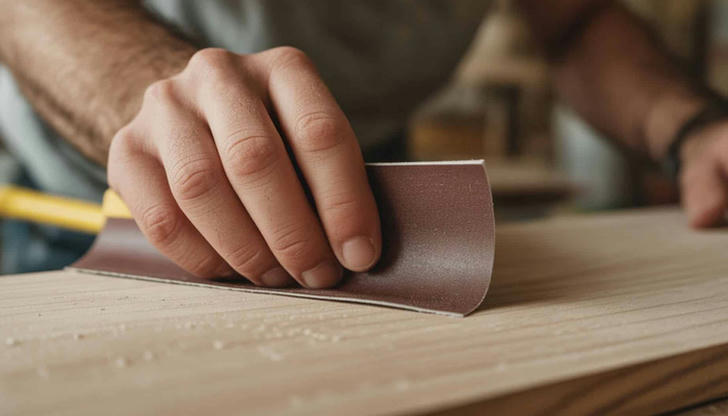
Some practical tips to keep in mind: always start small when experimenting with a new wood or finish. Test your finishes on scraps first to see how they react. And remember: sanding, sealing, and finishing may take longer than cutting and assembly, but they make the difference between "okay" and "wow" results.
Conclusion
Exploring unusual woods and eco-friendly finishes can transform even the simplest project into something unique, beautiful, and sustainable. Whether it's the modern elegance of bamboo, the rustic charm of reclaimed wood, or the creative flair of resin inlays, stepping outside the usual pine-and-oak routine will make your DIY work truly your own.
Next time you plan a project, try one twist: maybe a colorful resin accent, a beeswax-polished bamboo shelf, or a small piece of tropical hardwood. You'll not only learn new techniques but also create pieces that are functional, durable, and conversation-worthy. The best part? These materials are beginner-friendly, eco-conscious, and endlessly fun to experiment with.
So go ahead---grab some wood, mix it up, and see what you can create. Your next project might just be your favorite one yet.