
Simple Techniques That Make Every Woodworking Project Better

If you've been building things long enough, you already know this truth: the tools matter, but the little skills matter more.
You can buy a fancy table saw, premium walnut boards, or the trendiest jig on YouTube---but if your fundamentals are shaky, every project becomes a guessing game.
That's where "skill compounding" comes in.
It's the woodworking version of compound interest: small skills that keep paying you back---every project, every cut, every glue-up.
Learn them once, and they secretly improve everything you build afterward.
Let's break down the most important ones.
1. Mastering the "Reference Edge" --- The First Cut That Decides Everything
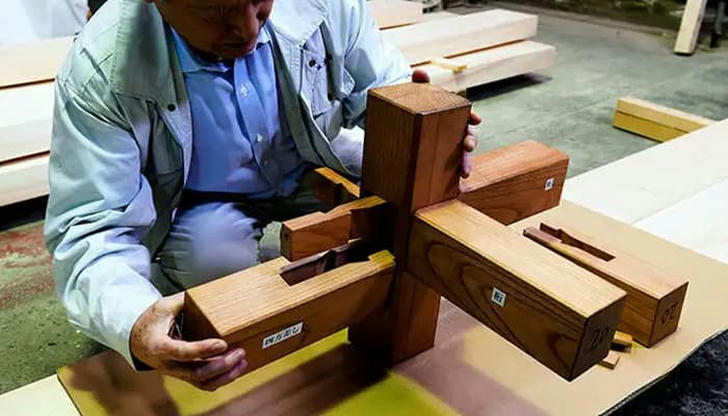
Most beginners cut pieces to size without thinking about which edge is straightest.
But pros always start with one clean, dependable edge---the reference edge---and build the whole project from that foundation.
Why this matters:
- Crooked edges multiply mistakes
- Squareness becomes unpredictable
- Joinery stops fitting
- You waste time fixing what shouldn't need fixing
Once you square one side and one end, every measurement becomes easier. Your pieces suddenly fit like they actually belong together.
The Compounding Effect:
Get this right once, and your next hundred projects all become easier.
Cabinets close properly. Tabletops don't look like a puzzle. And your joinery finally lines up without "persuasion."
2. Reading Grain Direction Like a Pro (Your Sandpaper Will Thank You)
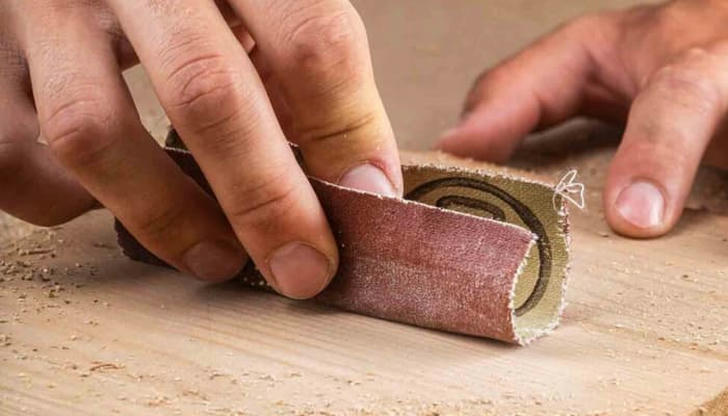
If you've ever sanded a board and wondered why scratches won't disappear, it might not be your technique---it might be the grain direction fighting you.
Most DIYers just sand "until it looks smooth."
But wood has a personality. It behaves differently depending on:
- The grain flow
- The way the board was cut
- The pattern of early vs. late wood
Learn to follow the grain, and your projects suddenly look way more professional with half the effort.
Pro tip you'll use forever:
Run your fingers lightly across the surface. If it feels rough or catches your skin, you're sanding against the grain. Flip direction and the wood instantly feels smoother.
The Compounding Effect:
Perfect sanding saves finishing time, prevents blotching, and makes stains look rich instead of streaky.
3. The "Dry Fit First" Rule --- The Easiest Way to Prevent Glue-Up Panic
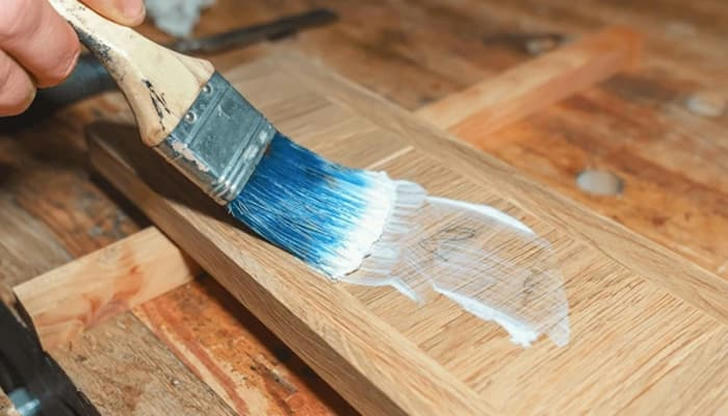
Ask any experienced woodworker about their worst mistake, and you'll hear a story that starts like this:
"I thought it would fit. Then the glue started setting..."
Glue-ups are stressful because you have:
- Limited time
- Sticky hands
- Clamps everywhere
- Joints that suddenly act like they've never met before
The fix is incredibly simple: always dry fit.
Put the entire project together with no glue---every tenon, every screw, every clamp. Make adjustments when you're not racing the clock.
The Compounding Effect:
You stop rushing.
You stop panicking.
You start enjoying build days again.
And your final pieces become stronger because the joints actually seat correctly.
4. Squaring Without Thinking --- Build Your Eyes into Precision Tools
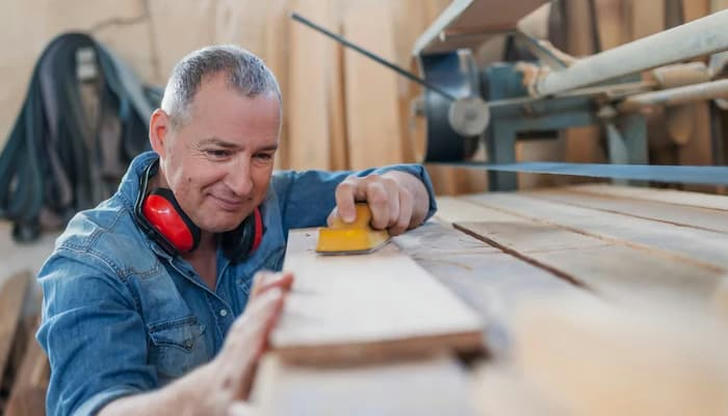
At first, you'll obsess over your speed square and combination square.
Totally normal.
But over time, skilled woodworkers develop a different muscle: the ability to see when something is off.
How to develop this:
- Practice setting boards together and guessing if they're square
- Check with a real tool
- Repeat until your eyes get calibrated
After a while, you'll notice tiny gaps instantly---before they turn into big problems.
The Compounding Effect:
You lose less time checking and rechecking.
Your cuts line up better.
Your measuring becomes faster and more confident.
This is one of those invisible skills that makes you look like a natural.
5. Using Jigs as "Skill Shortcuts" Instead of Skill Replacements
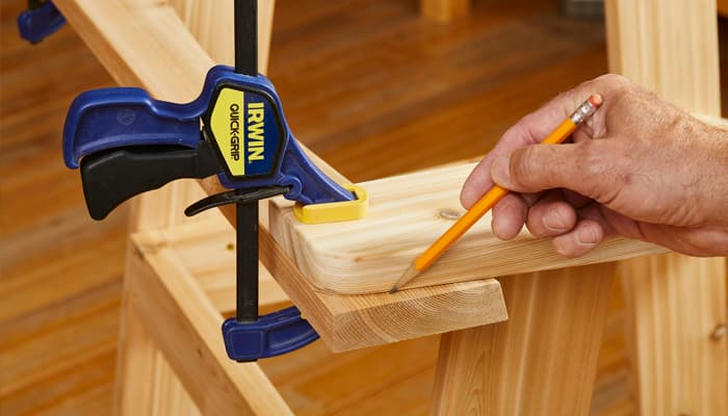
You've probably seen jigs that promise perfect cuts without measuring.
Some are amazing.
Others create a dependency---you rely on them so much that you forget the fundamentals.
The trick is to use jigs as amplifiers, not crutches.
A good jig:
- Makes repeat cuts easier
- Improves accuracy
- Saves time on production runs
- Reduces human error
But it never replaces understanding how the cut works.
If you learn the skill first, then add the jig, you suddenly become unstoppable.
The Compounding Effect:
With each new jig, your accuracy doubles---not because the jig is magical, but because you actually know what you're doing.
6. Clamping Strategy --- The Secret to Joinery That Doesn't Move
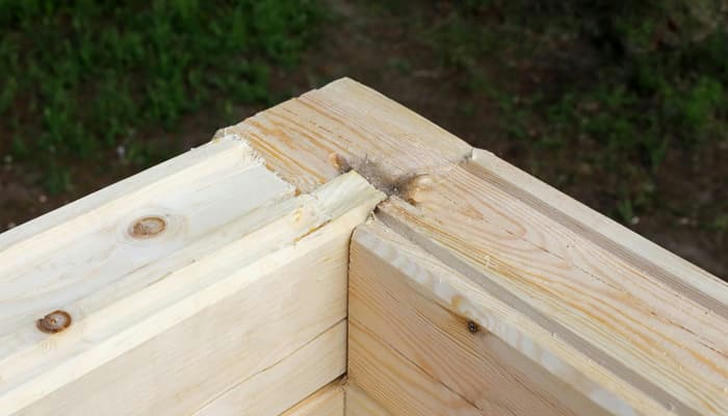
New woodworkers clamp like they're wrestling an octopus.
Too many clamps.
Not enough clamps.
Clamps in the wrong spots.
Or clamps so tight they bow the whole panel.
A simple clamping strategy changes everything:
- Start with light pressure
- Check alignment
- Add clamps gradually
- Alternate sides to prevent twisting
And remember: more pressure is not more strength.
Even pressure is what keeps joints aligned.
The Compounding Effect:
Your projects stop shifting during glue-ups.
Your results become consistent.
Your joints look cleaner and fit tighter.
7. Keeping a "Mistake Inventory" --- Your Most Valuable Teaching Tool
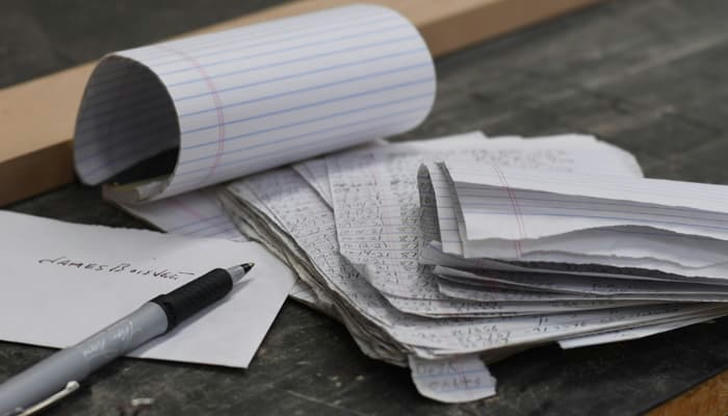
Every woodworker makes mistakes.
The difference between beginners and advanced builders is how they handle them.
Pros write them down---not to feel bad, but to track patterns:
- Cuts that were slightly off
- Materials that split
- Joints that didn't seat
- Finishes that went wrong
When you look back at this list, you don't just avoid repeating mistakes---you start predicting and preventing them.
The Compounding Effect:
Your build quality improves automatically.
Your confidence grows.
Your learning becomes faster than any YouTube tutorial.
Final Thoughts: Small Skills, Big Payoff
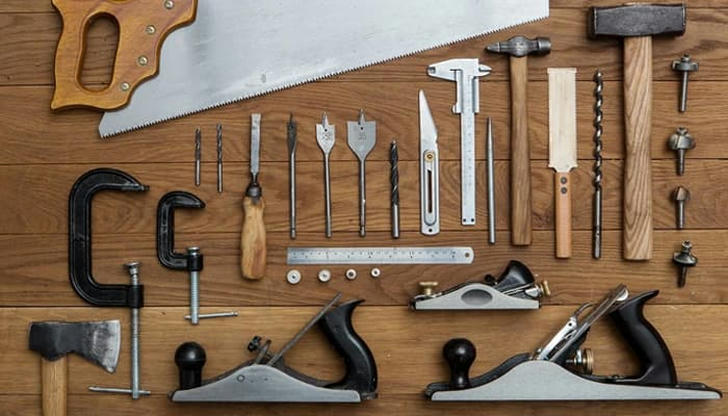
You don't need a bigger workshop or a more expensive saw to get better at woodworking.
You just need to stack small, smart habits that quietly improve every future project.
Skill compounding isn't flashy. It doesn't get millions of views on TikTok.
But it's what separates "weekend warriors" from woodworkers whose projects look clean, fit perfectly, and last for years.