
How to Choose the Right Wood for Your DIY Projects
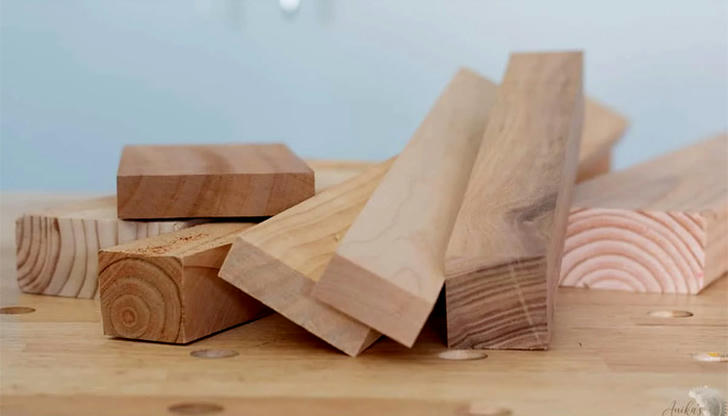
Choosing the right wood is one of the most important decisions in any DIY woodworking project. The material you select affects the project's strength, appearance, durability, cost, and difficulty level. Understanding how to match different types of wood with different project needs can help DIYers avoid common mistakes and create better results.
1. Start With Your Project Requirements
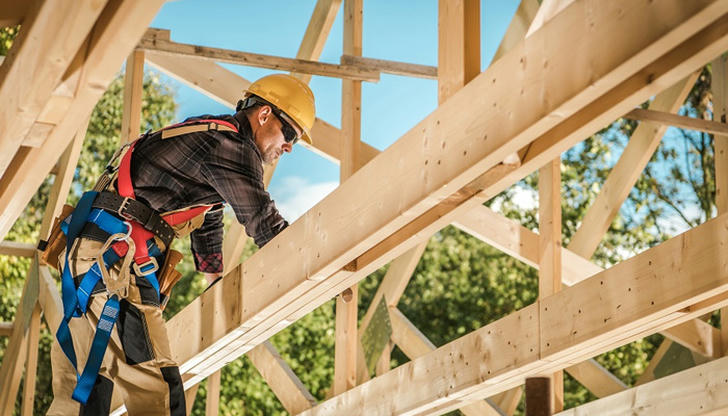
Before choosing wood, think about what you are building and where the finished project will be used. The purpose, location, and structure of a project all influence which material will perform best.
Consider the Project Purpose
The first step is understanding what the wood needs to do. A dining table, bookshelf, outdoor bench, and decorative wall piece all have different requirements. Furniture usually needs strong and stable wood that can handle daily use, while smaller decorative projects may focus more on appearance and ease of shaping.
Choosing wood based only on price or color can create problems later. A material that looks attractive may not provide enough strength for a heavy-use project, while a very durable wood may be unnecessary for a simple decorative item.
Consider Indoor or Outdoor Use
The environment where the project will be placed also affects wood selection. Indoor projects are usually protected from rain, sunlight, and temperature changes, allowing more flexibility in material choices.
Outdoor projects require wood that can handle moisture, insects, and changing weather conditions. Materials such as cedar, redwood, and pressure-treated wood are often better choices because they provide improved outdoor durability.
Consider Project Size and Structure
The size and design of a project determine how much strength and stability the wood needs. A small picture frame does not require the same material as a large storage cabinet or outdoor structure.
For larger projects, selecting stable wood can help prevent problems such as bending, cracking, and warping over time.
2. Choose the Right Type of Wood
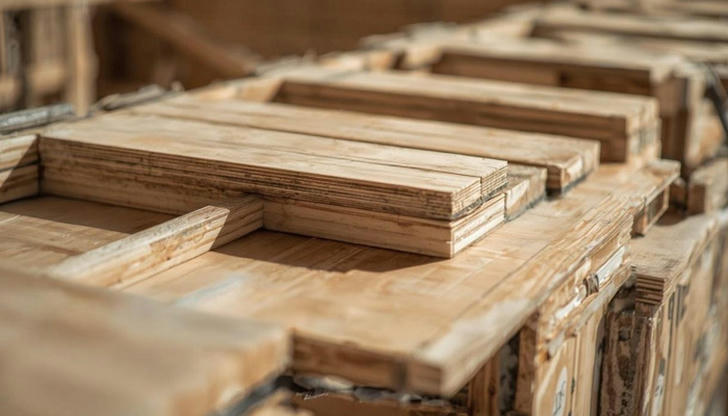
After understanding the project requirements, the next step is selecting the right category of wood. Different materials offer different advantages depending on strength, appearance, cost, and ease of use.
Choose Hardwood for Strength and Appearance
Hardwoods are known for their density, durability, and attractive grain patterns. They are often selected for furniture and projects where appearance and long-term performance are important.
Oak, maple, walnut, and cherry are common hardwood choices. Oak provides strength and durability, maple offers a smooth and clean appearance, walnut creates a premium dark finish, and cherry develops a warmer color over time.
Because hardwoods are generally more expensive and harder to cut, they are often preferred for projects where quality and appearance are priorities.
Choose Softwood for Easy DIY Projects
Softwoods are popular among beginners because they are affordable, lightweight, and easier to work with using basic woodworking tools.
Pine is one of the most common choices for DIY projects because it is inexpensive and widely available. Cedar is often used outdoors because of its natural resistance to moisture, while spruce and fir are common in construction applications.
Softwoods are practical options for learning woodworking skills or completing projects where budget and ease of use are important.
Choose Engineered Wood for Practical Applications
Engineered wood products are created by combining wood layers, fibers, or particles into manufactured panels. They provide consistent sizes and affordable options for many home projects.
Plywood is commonly used for cabinets and structural projects because of its strength. MDF provides a smooth surface for painted furniture, while particle board is often found in affordable furniture and storage solutions.
3. Check Wood Quality Before Buying
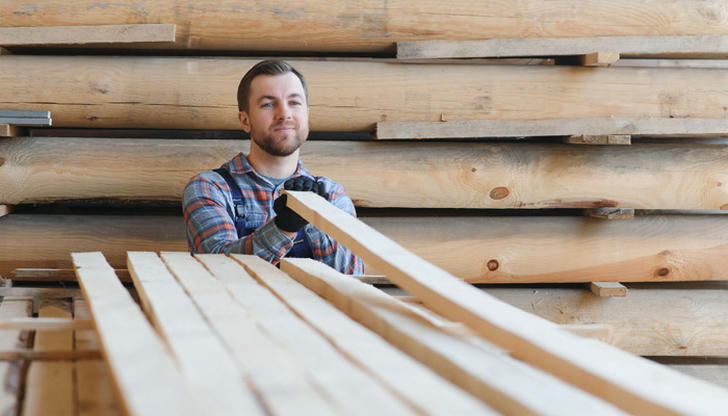
Selecting the right wood type is only part of the process. The condition of the individual boards can significantly affect the final result.
Check the Wood Grain
Wood grain affects both appearance and performance. Straight grain often provides better stability, while unique patterns may create a more decorative appearance.
For visible furniture pieces, many DIYers choose boards with attractive grain patterns and consistent colors to improve the finished look.
Check Moisture Problems
Properly dried wood is important because moisture changes can cause wood to shrink, expand, or twist.
Wood with excessive moisture may look fine when purchased but develop problems after installation. Choosing properly stored and dried lumber helps projects maintain their shape over time.
Check Visible Defects
Before buying lumber, inspect boards for issues such as cracks, splits, large knots, or twisted shapes.
Minor imperfections may not matter for every project, but serious defects can reduce strength and make cutting and assembly more difficult.
4. Match Wood Choice With Your Skill Level
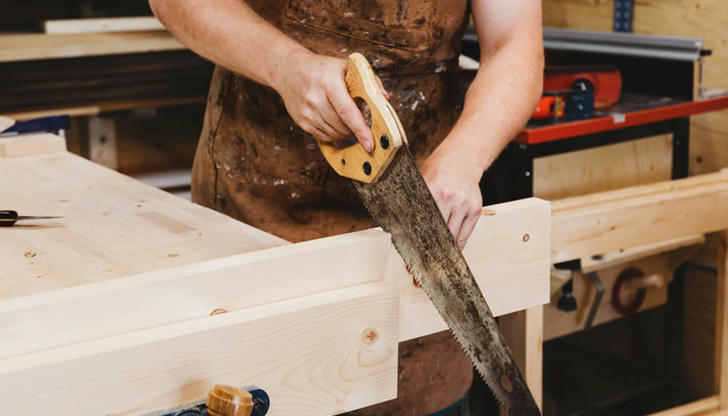
Your woodworking experience should influence your material choice. Some woods are easier for beginners, while others require more advanced skills.
Select Easy-to-Work Wood for Beginners
Beginners often benefit from materials like pine and plywood because they are easier to cut, drill, and assemble.
These options allow new woodworkers to practice techniques without spending too much money on expensive materials.
Select Premium Wood for Advanced Projects
Experienced woodworkers may choose hardwoods when they want better appearance, durability, and craftsmanship.
Premium materials often require more careful handling but can create higher-quality results for furniture and detailed projects.
5. Balance Cost, Appearance, and Durability
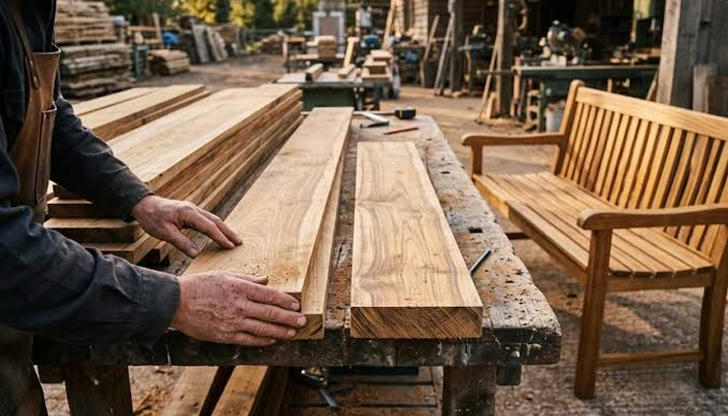
The best wood choice usually requires balancing several factors instead of choosing the cheapest or most expensive option.
Compare Budget and Material Value
Affordable materials can be excellent choices for simple DIY projects, while higher-quality wood may provide better long-term value for frequently used items.
Consider Final Appearance
The color, texture, and grain pattern of wood influence the final appearance of a project. Some projects highlight natural wood beauty, while others may be painted or covered.
Consider Long-Term Performance
A good material choice should match how the project will be used over time. Durable wood is especially important for furniture, outdoor structures, and items exposed to frequent wear.
Choosing the right wood for a DIY project is about matching the material with the purpose, environment, quality requirements, skill level, and budget. By understanding these factors before starting, DIYers can create woodworking projects that are stronger, more attractive, and built to last.