
8 Beginner Woodworking Projects You Can Actually Finish This Weekend
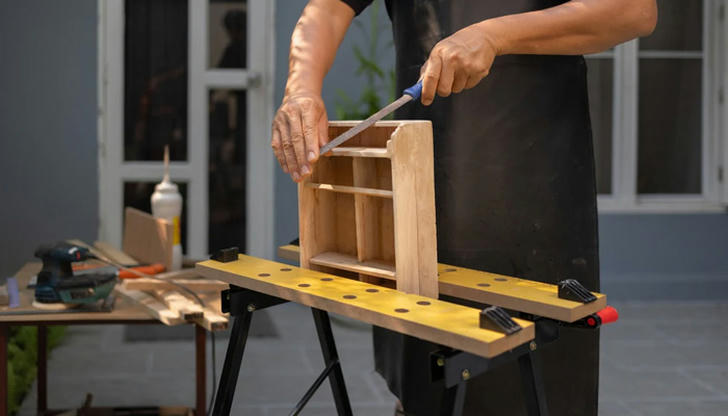
Woodworking can seem intimidating at first, especially if you think every project requires a full workshop and weeks of work. But the truth is, beginners can create something practical, attractive, and rewarding in just a weekend. With a few basic tools and simple plans, you can finish a project that feels impressive without overwhelming your schedule. Below, we'll explore easy-to-complete projects, essential tools, planning tips, and common pitfalls to avoid, all aimed at helping you build confidence in your woodworking journey.
1. Simple Floating Shelf
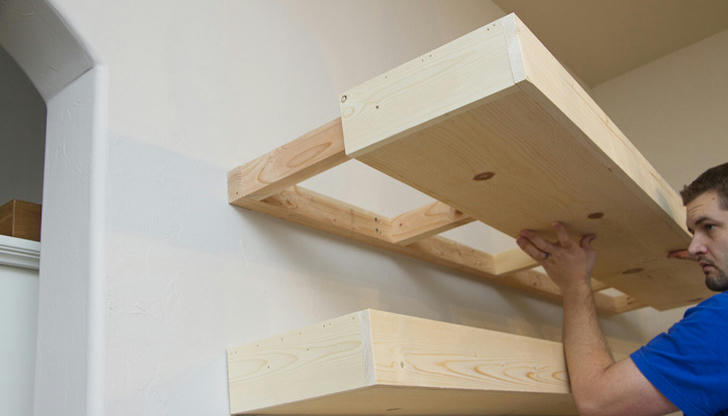
A floating shelf is an excellent first project because it's both functional and forgiving. With a few cuts and minimal assembly, you can create a sleek shelf for your living room, bathroom, or kitchen.
Skills learned: measuring, cutting, sanding, mounting.
Tips: Always double-check the wall studs before drilling and use a level to ensure your shelf sits straight. Pre-sanding the board before assembly makes finishing faster.
Fun twist: Try painting or staining the shelf in a bold color to add a personal touch. Even a simple shelf can become a statement piece with a little creativity.
2. Wooden Plant Stand
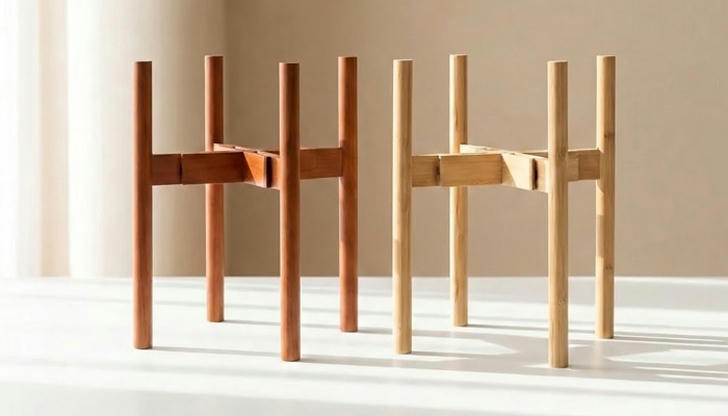
A plant stand adds life to any room and is perfect for practicing straight cuts and basic assembly. Most designs are simple: a flat top supported by four legs, often reinforced with cross braces.
Skills learned: cutting, balance, and assembly.
Tips: Use scrap wood to test stability before committing to your final pieces. You can also vary the height and tier levels to accommodate different plant sizes.
Beginner-friendly hack: Adding felt pads to the legs protects your floors and ensures your stand doesn't wobble.
3. Small Entryway Bench
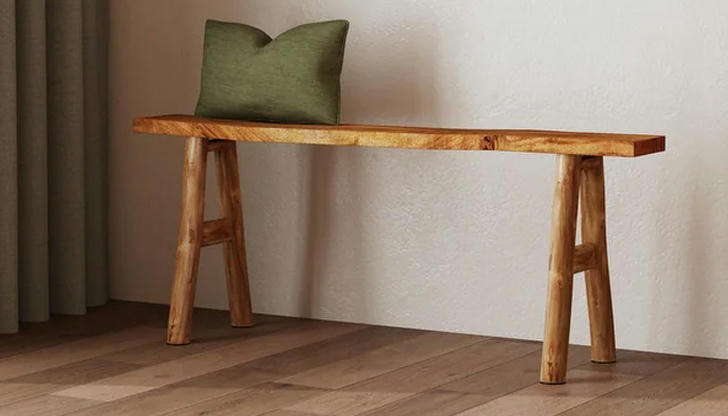
A small bench can make a big impact in your hallway or entryway. This project feels more impressive than it is because it combines a basic frame with a top surface for sitting or placing bags.
Skills learned: constructing a frame, attaching legs, sanding edges.
Tips: If you're nervous about cutting straight angles, pre-cut lumber from the hardware store saves time and frustration. Paint or stain the bench after assembly to protect the wood and add style.
Visual variation: Consider adding a simple shelf underneath for shoes or baskets. Even a small addition can increase function and aesthetic appeal.
4. Simple Storage Crate
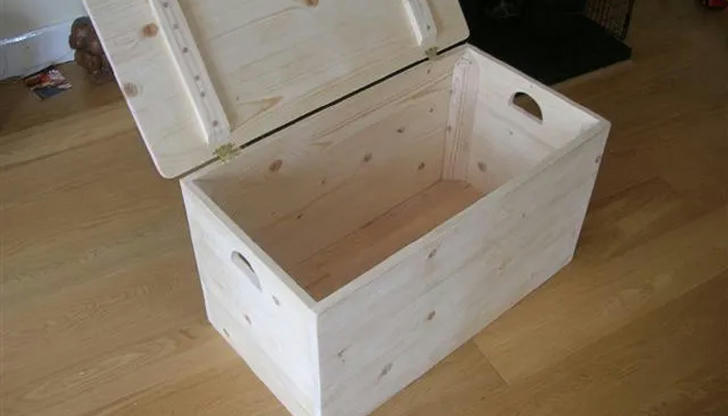
Storage crates are versatile, functional, and extremely forgiving. Whether for books, blankets, or tools, a basic box construction allows you to practice measuring, spacing, and fastening boards.
Skills learned: box construction, basic joinery, sanding.
Tips: Start with screws or nails rather than complex joints. Use clamps to keep corners aligned. You can also create multiple crates to stack for modular storage.
Fun idea: Paint numbers, letters, or decorative motifs on the crate to give it character and make organizing easier.
5. Wall-Mounted Coat Rack
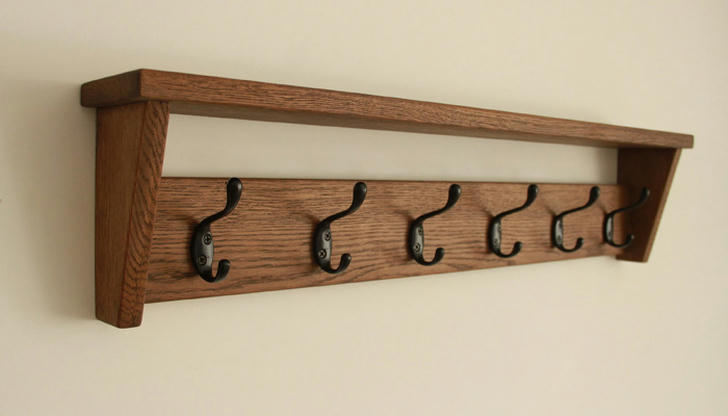
A coat rack is a quick, practical project that requires minimal materials but teaches useful skills like drilling and hardware placement.
Skills learned: layout, drilling, securing hardware.
Tips: Measure carefully to ensure hooks are evenly spaced. Choose strong screws and anchors to support coats, bags, and hats.
Beginner-friendly variation: Combine a shelf with hooks to make a mini organizer for keys, mail, or small decor items.
6. Basic Outdoor Side Table
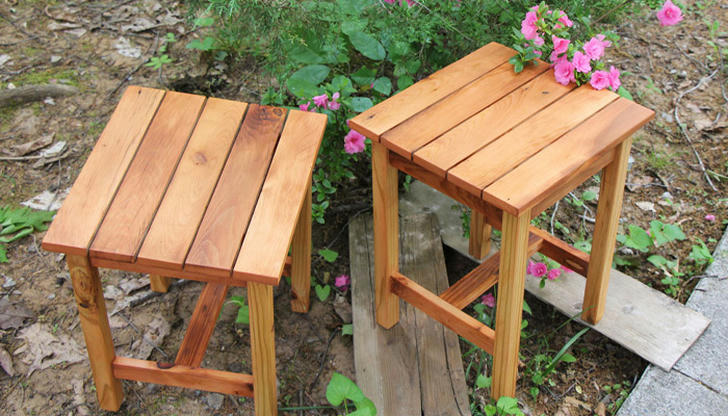
A small side table is perfect for your patio, porch, or backyard. Its straightforward design teaches square assembly and finishing techniques suitable for weather exposure.
Skills learned: assembling square frames, sanding, finishing.
Tips: Use weather-resistant wood and a simple clear coat or outdoor stain. Keep dimensions simple---perfect squares or rectangles reduce errors.
Creative twist: Customize the tabletop with a geometric inlay or contrasting wood stain to make it visually interesting without adding complexity.
7. Simple Picture Ledge
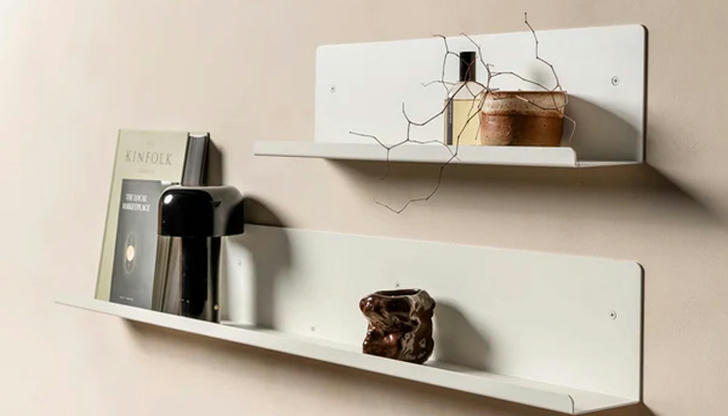
A picture ledge is an ideal beginner project because it looks stylish but requires minimal materials and effort.
Skills learned: measuring, cutting, sanding, mounting.
Tips: Keep the ledge narrow for stability. Use screws and wall anchors to support lightweight frames, and sand the edges before painting or staining.
Fun twist: Arrange multiple ledges at different heights to display photos or small art prints in a gallery-style layout.
8. Wooden Serving Tray
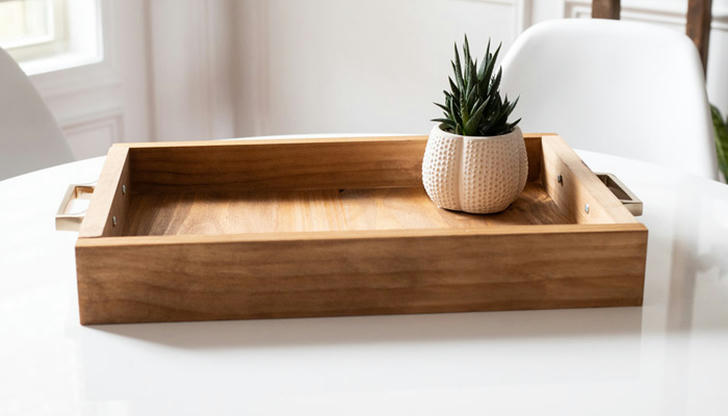
A wooden serving tray is a weekend-friendly project that is both practical and rewarding.
Skills learned: measuring, cutting, assembling, sanding, attaching hardware.
Tips: Use pre-cut boards if possible and plan handle placement in advance. Choose a simple finish, like wipe-on stain, to save time.
Creative idea: Paint a design or stencil on the tray base to make it unique or gift-ready.
9. Final Thoughts
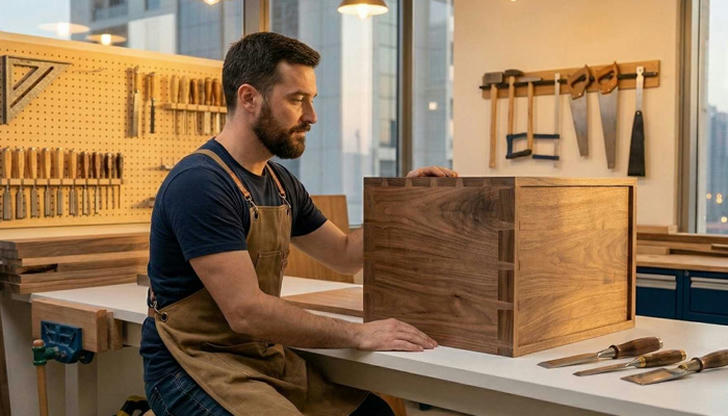
Weekend woodworking projects prove that beginners don't need a full workshop or complicated plans to create something functional and beautiful. Starting small teaches essential skills, builds confidence, and sets the stage for bigger projects in the future. Pick a simple project, gather your materials, and enjoy the satisfaction of crafting something useful with your own hands. By the end of the weekend, you'll have a tangible reward---and the confidence to tackle your next woodworking adventure.