
You May Not Need a New Faucet---Only This $10 Valve Part
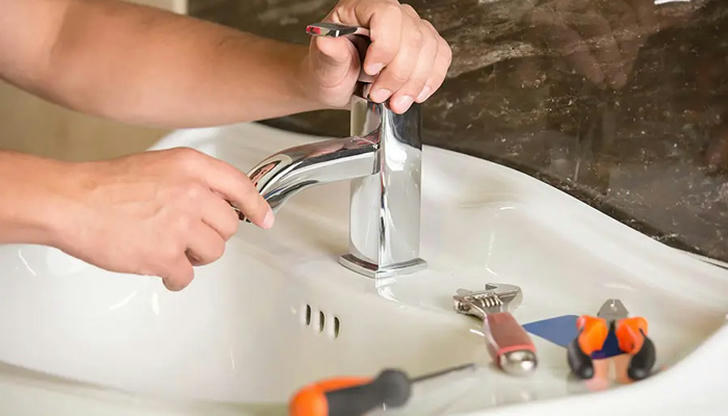
A dripping faucet can be surprisingly frustrating. The constant sound keeps you awake at night, water spots build up around the sink, and every drop reminds you that something needs attention. For many homeowners, the first thought is simple: The faucet is old. I should replace the whole thing.
But that's often not true.
In many cases, the real problem isn't the faucet itself. It's a small valve component hidden inside---one that usually costs less than $10. Replacing that inexpensive part can stop leaks, restore smooth operation, and save you hundreds of dollars compared to installing a brand-new faucet.
Before you head to the hardware store for a replacement faucet, here's what you should check first.
The Faucet Isn't Always the Problem
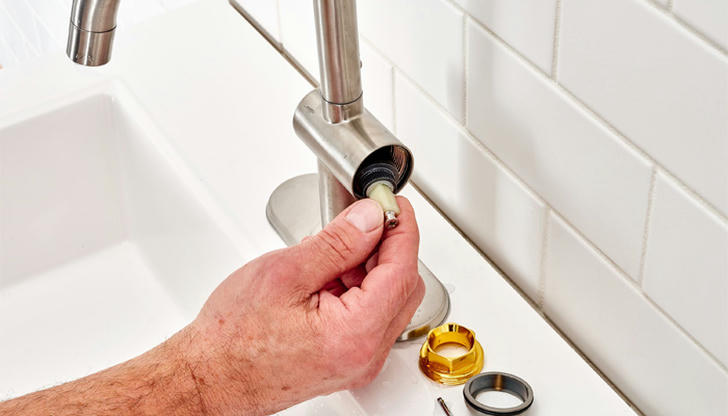
Modern faucets are built to last for years. The metal body rarely wears out unless it's severely corroded or physically damaged.
Instead, the moving parts inside the faucet handle take the most abuse. Every time you turn the water on or off, these small components experience friction, water pressure, mineral buildup, and normal wear.
Eventually, one of these inexpensive parts fails while the rest of the faucet remains perfectly usable.
That's why plumbers often repair a faucet instead of replacing it.
The $10 Part That Fixes Many Leaks
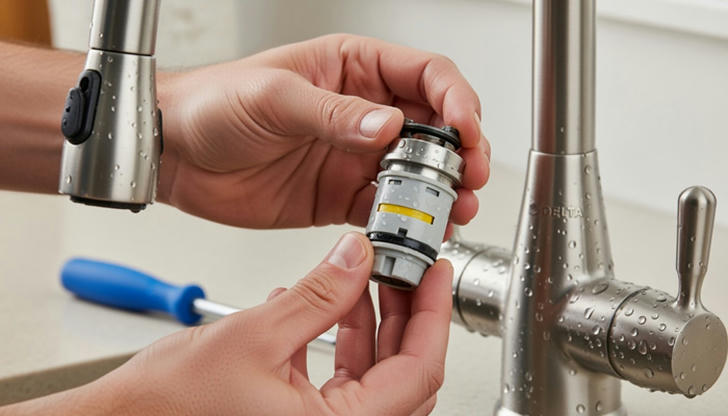
The most common culprit is the cartridge.
Inside most modern single-handle and many two-handle faucets, the cartridge controls both water flow and temperature. Rubber seals and internal components wear down over time, allowing water to leak even when the handle is fully closed.
Signs of a worn cartridge include:
Water dripping from the spout after the faucet is turned off
Handle becoming difficult to move
Water temperature changing unexpectedly
Reduced water flow
Squeaking or grinding while turning the handle
Replacement cartridges typically cost between $8 and $30 depending on the faucet brand, with many common models falling around the $10 mark.
Don't Forget the O-Rings
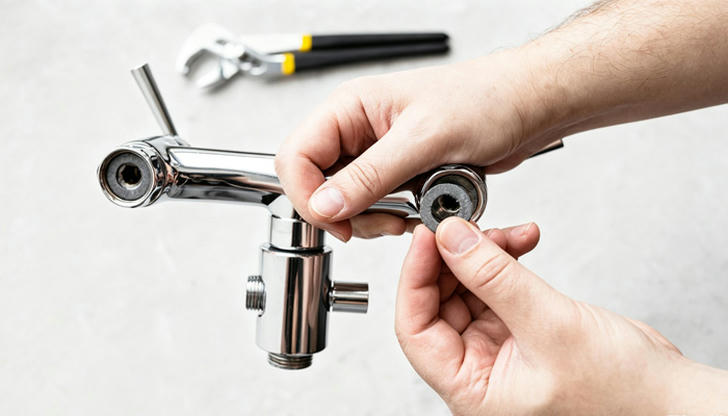
Another inexpensive part that causes countless faucet leaks is the O-ring.
These small rubber rings create watertight seals between moving parts. Over time they become brittle, flattened, or cracked.
When an O-ring fails, you may notice:
Water leaking around the base of the faucet
Moisture under the handle
Small drips that appear only while the faucet is running
Replacing an O-ring often takes only a few minutes and costs less than a cup of coffee.
Mineral Buildup Can Mimic Bigger Problems
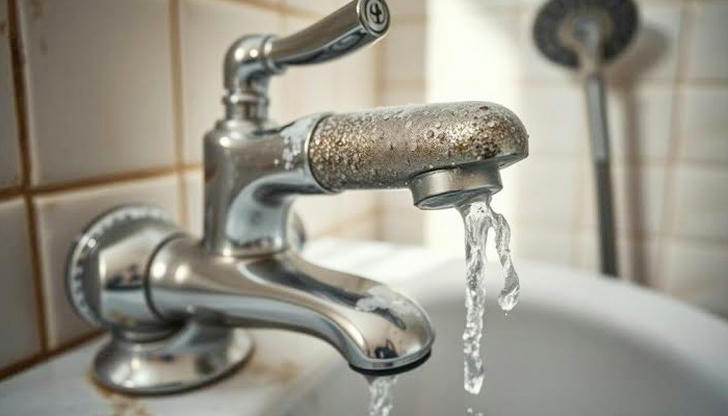
If you live in an area with hard water, mineral deposits may be causing your faucet problems instead of worn parts.
Calcium and magnesium slowly build up inside the valve assembly, making the handle feel stiff or preventing seals from closing completely.
Many homeowners assume the faucet is worn out when it simply needs cleaning.
After removing the cartridge, soaking it in white vinegar for an hour may dissolve enough mineral buildup to restore normal operation. If the cartridge is heavily damaged or the seals are worn, replacement is still the better option.
How to Tell Whether You Need a Repair or a New Faucet
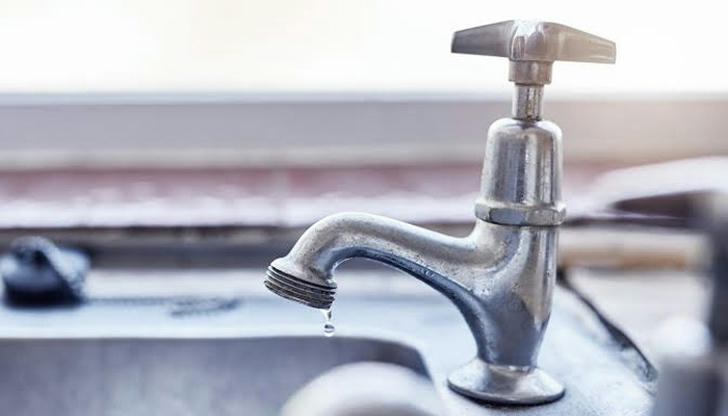
A simple inspection can help you decide.
A repair usually makes sense if:
The faucet body isn't cracked.
The finish is still in good condition.
Only one handle leaks.
Water pressure is normal.
The leak started gradually.
Replacing the entire faucet is usually the better choice if:
The faucet body is cracked.
Multiple repairs have already failed.
Internal parts are no longer available.
Severe corrosion is visible.
The faucet is extremely outdated and replacement parts are discontinued.
If the faucet still looks good and works well aside from one leak, repairing it is often the smarter investment.
Bring the Old Part With You
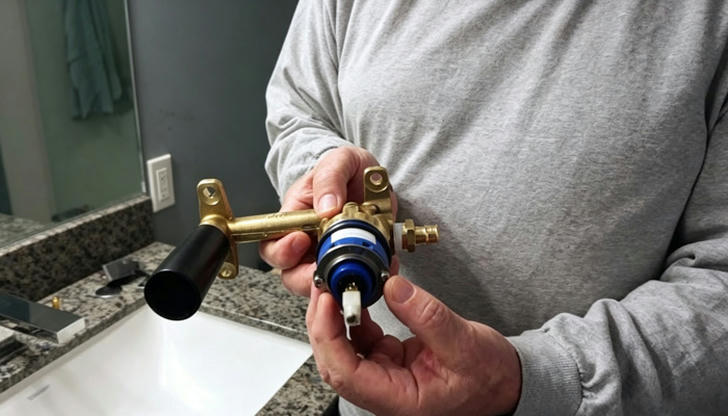
One of the biggest mistakes homeowners make is buying replacement parts based only on the faucet's appearance.
Many faucet cartridges look nearly identical but have different dimensions, stem lengths, or locking mechanisms.
Instead of guessing, remove the old cartridge or valve component and bring it with you to the hardware store.
Matching the old part is usually much easier than trying to identify the faucet model from memory.
A quick comparison can save you an extra trip.
Replacing a Cartridge Is Easier Than Most People Think
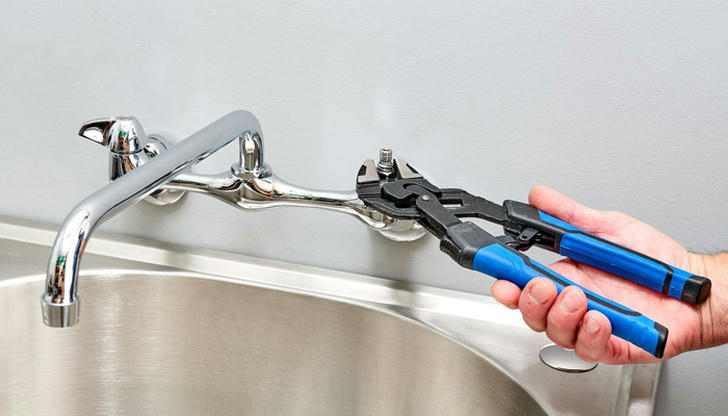
You don't need advanced plumbing skills for many cartridge replacements.
The basic process usually involves:
Turn off the water supply beneath the sink.
Open the faucet to release pressure.
Remove the decorative cap and handle.
Unscrew or release the retaining clip.
Pull out the old cartridge.
Install the new one in the same orientation.
Reassemble the faucet and restore the water supply.
Many homeowners finish the job in less than 30 minutes using only a screwdriver, adjustable wrench, and needle-nose pliers.
Small Repairs Can Prevent Bigger Problems
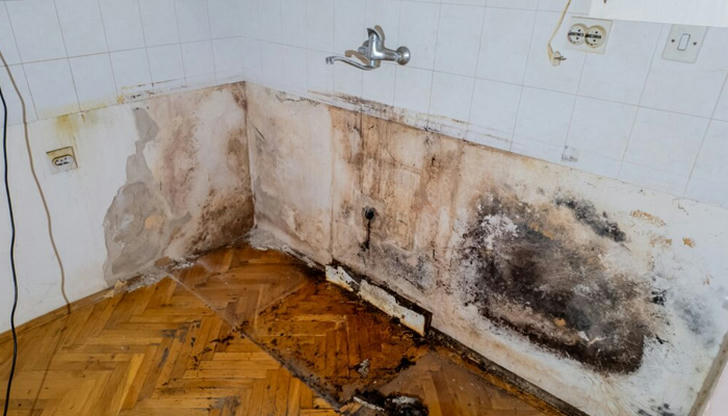
Ignoring a slow drip doesn't just waste water.
A leaking faucet can stain sinks, encourage mold growth inside cabinets, damage countertops, and slowly increase your water bill.
Likewise, a handle that's becoming harder to turn often signals that internal parts are wearing out. Replacing a small component early may prevent additional damage to the valve assembly.
Fixing the problem while it's minor is usually less expensive than waiting until several parts fail.
When It's Worth Calling a Plumber
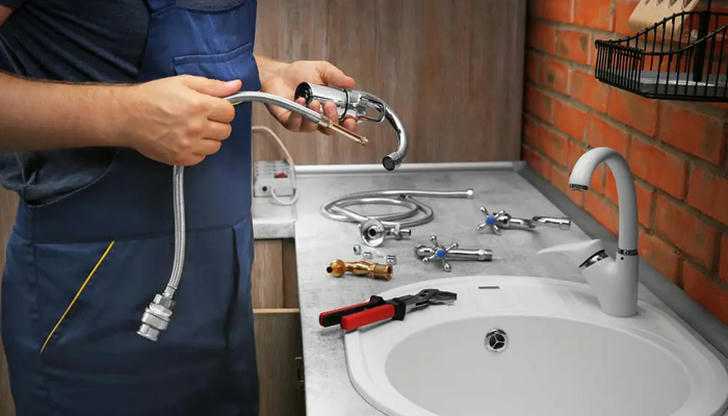
Some situations require professional help.
Consider calling a plumber if:
The shut-off valves under the sink no longer work.
The cartridge is completely stuck.
The valve body is damaged.
Pipes begin leaking after disassembly.
You cannot identify compatible replacement parts.
A plumber can often repair the faucet without replacing the entire fixture, especially when the problem is limited to internal valve components.
The Bottom Line
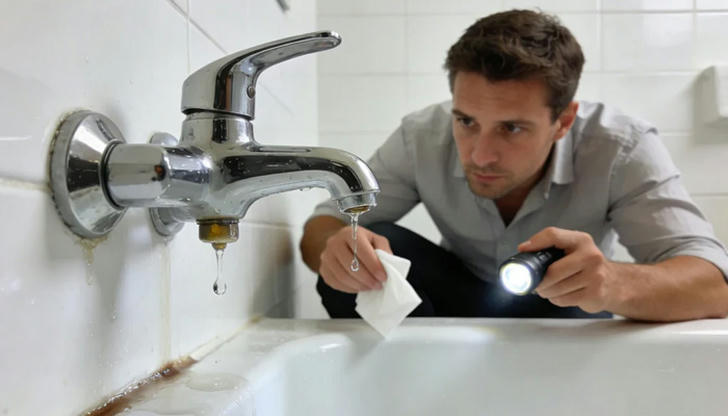
A dripping faucet doesn't automatically mean it's time to buy a new one.
In many homes, the expensive-looking fixture is perfectly fine. The real problem is a small cartridge, O-ring, valve seat, or other inexpensive internal component that has simply reached the end of its lifespan.
Spending $10 on the right replacement part---and a little time with basic tools---can restore your faucet to like-new performance, reduce water waste, and save you the cost of an unnecessary replacement.
Before you replace the entire faucet, take a closer look inside. The smallest part may be the only thing standing between you and a leak-free sink.