
Winter Mini-Maintenance: Small Things That Keep Your Home Warm and Your Wallet Happy
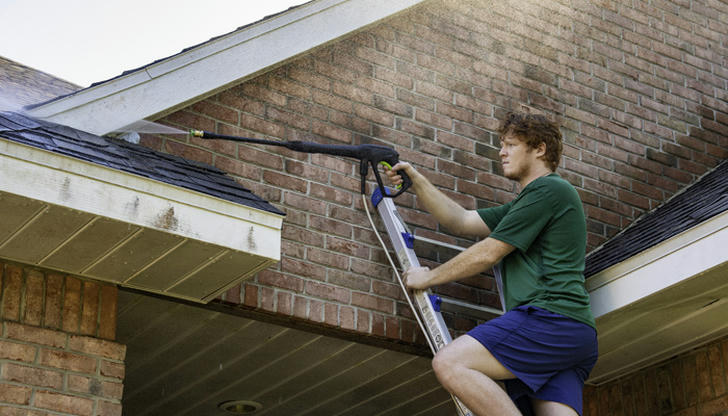
Winter has a sneaky way of reminding you what you forgot to do all year. That tiny draft around your window suddenly feels like an arctic breeze. The faucet that dripped "just a little" last spring? Now it's frozen solid. And of course, the furnace decides to make a weird noise right when the temperature hits its lowest.
The good news? You don't have to overhaul your house or spend your weekends buried in tools. A few small checkups --- things you can do while your coffee's brewing --- can make your home warmer, safer, and much cheaper to run all season.
Grab a blanket, pour yourself something hot, and let's go through a few easy winter moves that actually make a difference.
1. Seal Up the Sneaky Drafts
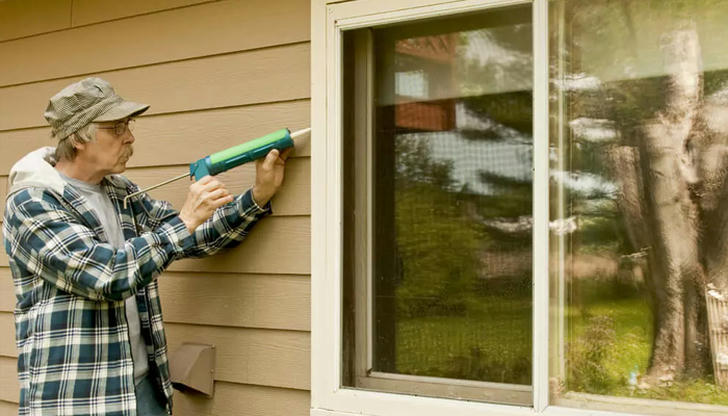
Here's the truth: most homes lose more heat through tiny gaps than through big open windows. You just don't notice it until it's freezing outside.
On a windy day, walk around your house and place your hand near doors, windows, and vents. If you feel cold air leaking in, it's time for a quick patch-up. Weatherstripping tape or clear caulk takes just a few minutes to apply and keeps warm air where it belongs.
Even something as simple as a rolled-up towel along the bottom of a door can stop cold air in its tracks. It's one of those small, satisfying fixes where you notice the difference immediately.
2. Give Your Furnace a Moment of Attention
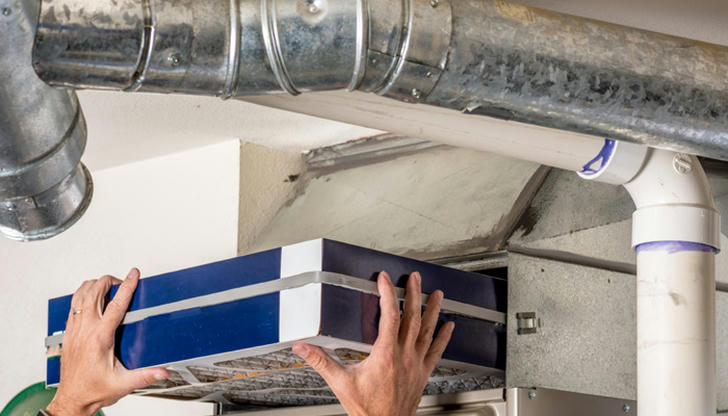
Your furnace is working harder than any other appliance right now. You can make its life easier --- and save on your heating bill --- by swapping out the air filter.
If it's gray or dusty, that's a sign it's been too long. Fresh filters let your system breathe and heat faster. While you're at it, take a quick look around your vents and make sure none are blocked by furniture or curtains.
And if you've got ceiling fans, flip the switch so the blades spin clockwise. That gently pushes warm air down from the ceiling --- a tiny change that can make a room feel warmer without touching the thermostat.
3. Protect Your Pipes from Freezing
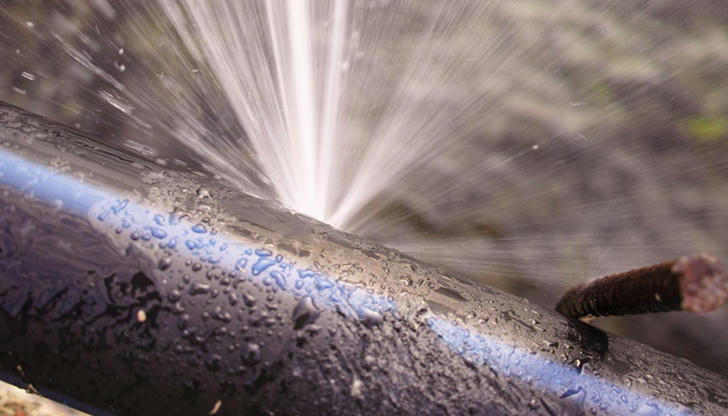
Few winter disasters are worse than a burst pipe. The repair alone can cost hundreds --- not to mention the cleanup. Luckily, it's one of the easiest problems to prevent.
Keep your home at least 55°F, even if you're away for the weekend. For sinks along exterior walls, open the cabinet doors so warm air can reach the pipes. If you've got exposed pipes in a basement, crawl space, or garage, wrap them in foam sleeves --- they're cheap, easy to cut, and take minutes to install.
And when the temperature really drops, let the faucet drip just a little overnight. That slow movement keeps water from freezing in the line.
4. Keep Moisture Under Control
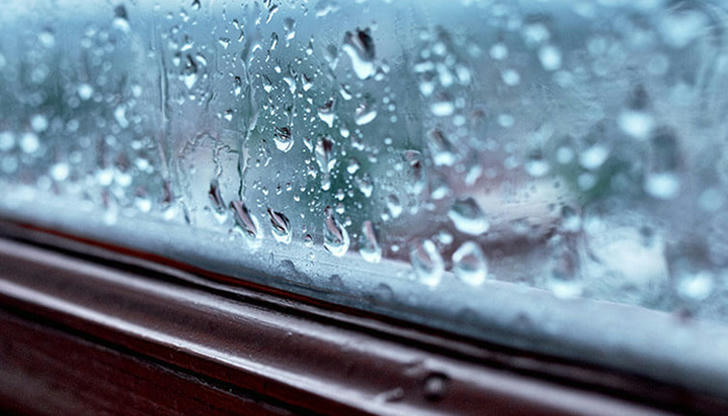
When warm air meets cold windows, condensation forms --- and if you ignore it, that moisture can lead to mold or peeling paint.
Wipe down window sills every few days, especially if you notice moisture collecting there. In bathrooms or basements, a small dehumidifier can work wonders.
Also check your exhaust fans. If they're coated in dust, they can't pull out humidity efficiently. A quick wipe or vacuum over the vent makes a big difference.
And if the sun ever peeks out, open those blinds. Natural light not only adds warmth but also helps reduce dampness.
5. Double-Check Your Safety Gear
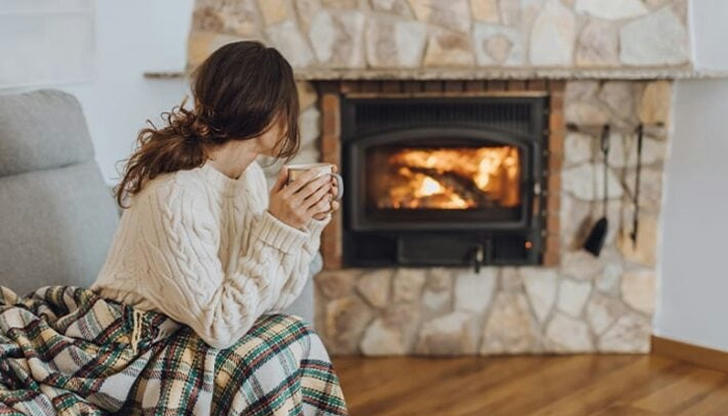
Winter is the season when we use heaters, fireplaces, candles, and ovens nonstop --- which means your safety gear needs to be ready.
Take a minute to press the "test" button on all your smoke and carbon monoxide detectors. If it's been a year or more since you changed the batteries, go ahead and do it now. Also, vacuum off any dust around the sensors --- they can't detect properly if they're clogged.
If you use space heaters, keep them at least three feet away from furniture or curtains. And never --- seriously, never --- plug them into extension cords.
6. Don't Forget the Water Heater
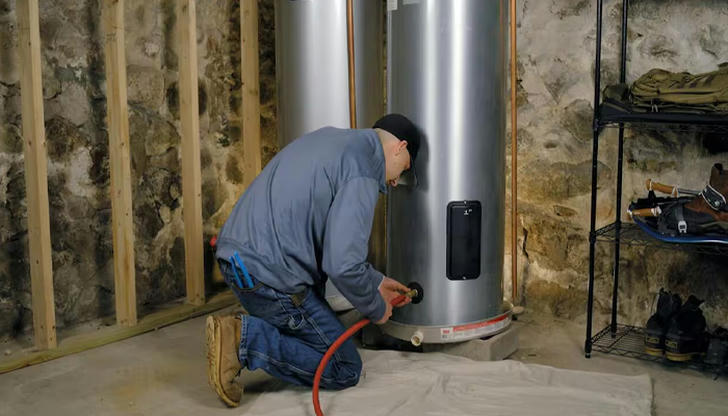
When you're taking longer hot showers in winter, your water heater works overtime. A little maintenance helps it stay efficient.
Drain a few gallons of water from the tank using the bottom valve and a garden hose. That flushes out sediment that builds up over time. Once you've done that, wrap the tank in an insulating blanket if it's in a cold basement or garage --- it keeps the heat in and saves energy.
You don't need to be a plumber for this one. Just follow the steps on the insulation kit's label, and you're good to go.
7. Take a Quick Lap Around the Outside

It's easy to ignore the exterior when it's cold, but winter weather can be rough on your home's shell.
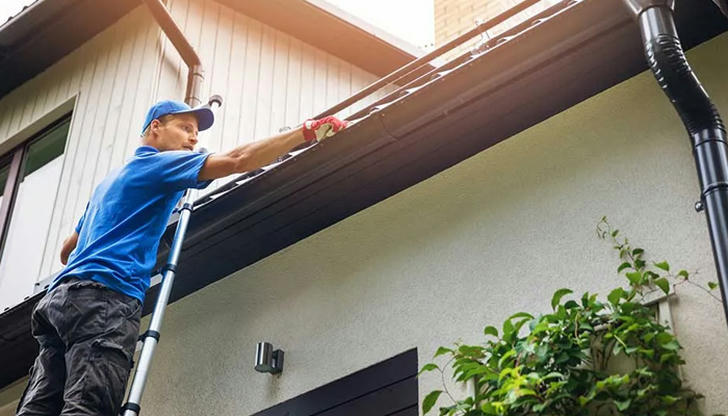
Make sure gutters and downspouts are clear of leaves so melting snow can drain properly. Disconnect and drain any outdoor hoses, and shut off their valves to avoid frozen lines.
If you've had issues with ice dams on your roof before --- those frozen ridges that trap melting snow --- use a roof rake after each big snowfall to remove excess snow before it freezes again.
And take a look at your outdoor lights while you're out there. Swap in LED bulbs if you haven't already; they handle cold better and use less power.
8. The "Coffee-Break" Checklist

Most of these jobs take less time than scrolling through your phone in the morning. Here's a little reminder list you can keep on your fridge:
Change the furnace filter
Test smoke and CO alarms
Open sink cabinets on cold nights
Check windows and doors for drafts
Drain outdoor hoses
Flush a few gallons from your water heater
Do one task a day for a week, and you'll have your home fully winter-ready before the next cold snap hits.
Final Thought: Small Effort, Big Comfort
Home maintenance doesn't have to be dramatic. It's not about tearing down walls or fixing every creak --- it's about staying ahead of small things before they become expensive ones.
A little attention here and there can mean lower bills, fewer surprises, and a warmer, more comfortable home.
So this weekend, instead of dreading "winter prep," just pick one small thing to check off the list. You'll feel productive, your house will thank you --- and you can go back to your hot chocolate knowing you've got the season handled.