
How to Tell If Your Window Problems Need a Simple Repair or a Full Replacement
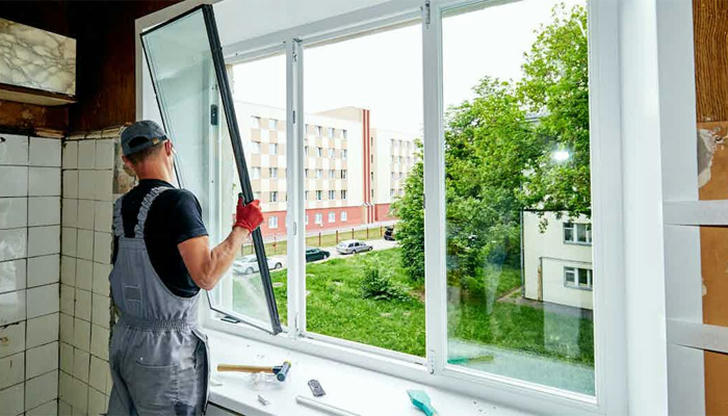
Window problems can be frustrating, but they do not always mean the whole window needs to be replaced. In many cases, a small repair, a new part, or a simple adjustment is enough to solve the issue. The key is to understand where the problem starts and how serious it really is.
1. Start With the Problem
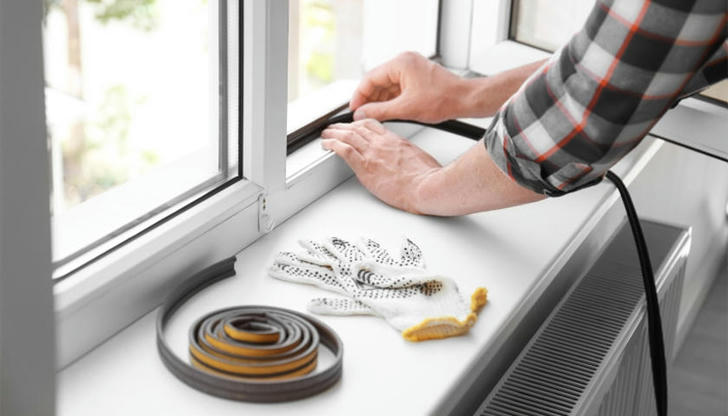
Look closely at the glass, frame, sash, locks, tracks, weatherstripping, and caulk.
Also check the wall around the window for peeling paint, stains, or signs of moisture. If only one window has a problem, the issue may be local. If several windows are showing the same symptoms, age or installation may be part of the problem.
Knowing where the issue starts can help you avoid replacing more than necessary.
2. Check for Drafts
Drafts are common, especially around older windows.
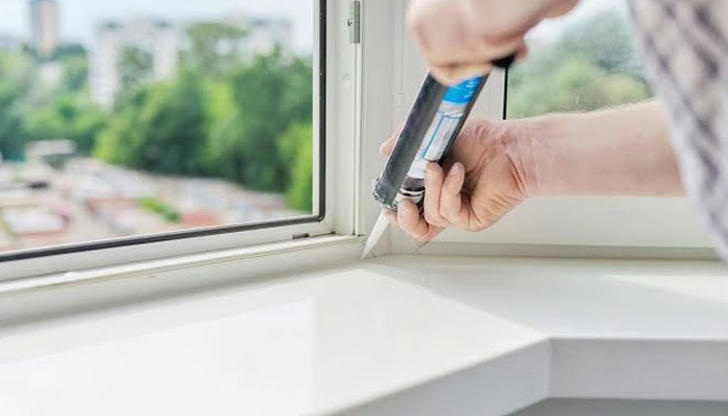
Sometimes the cause is simply worn weatherstripping or cracked caulk. A sash that no longer closes tightly can also let outside air in.
Replacing weatherstripping or sealing small gaps may improve the problem quickly.
If the frame is warped or the sash no longer fits properly, though, sealing alone may not be enough. A draft that keeps coming back after repairs may point to a larger issue.
3. Look at Sticking Windows
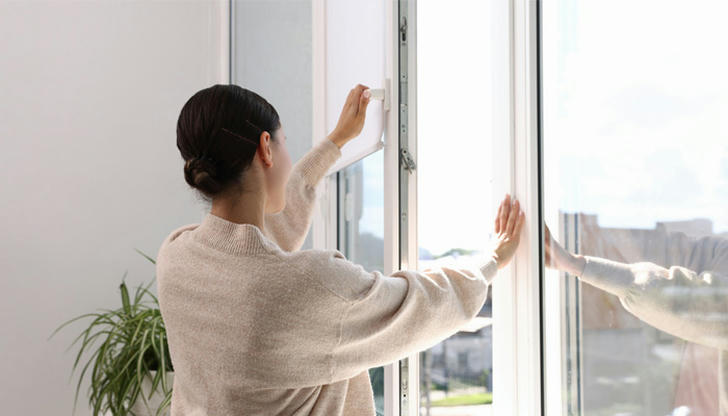
A window that is hard to open does not always need replacement.
Dirt and debris can collect in the tracks. Paint buildup can make wood windows stick. Hardware such as hinges, balances, and cranks can also wear out over time.
These are often repairable problems.
4. Pay Attention to Condensation
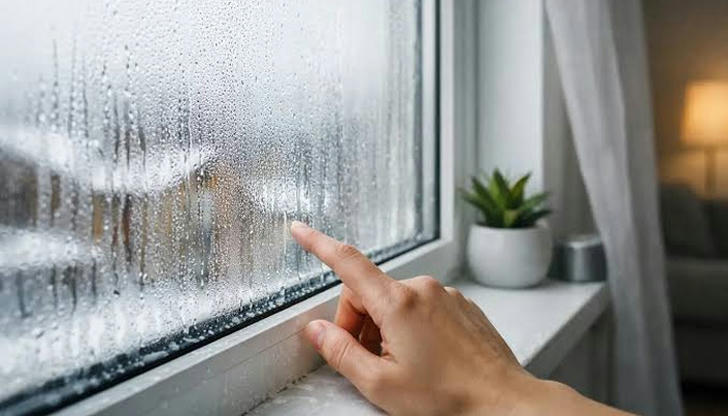
Where the condensation appears matters.
Moisture on the inside surface of the glass often comes from indoor humidity meeting a cold window. This does not necessarily mean the window has failed.
Fog or moisture trapped between two panes is different. It can mean the seal around the insulated glass has failed.
In some cases, only the glass unit needs to be replaced rather than the whole window.
That is why it helps to figure out exactly where the moisture is forming before making a decision.
5. Inspect Cracked Glass
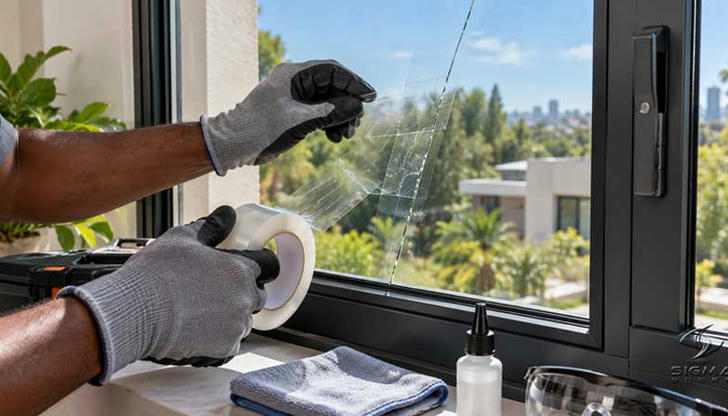
Broken glass needs attention, but full replacement is not always required.
If the frame and sash are still in good condition, replacing only the damaged glass may be possible. This is often the case when one pane or insulated glass unit has failed.
The decision changes if the glass problem comes with rotting wood, broken hardware, or frame damage.
Avoid pressing on cracked glass or trying to force a damaged window open. Larger cracks and hard-to-reach windows are usually better handled by a professional.
6. Check the Frame
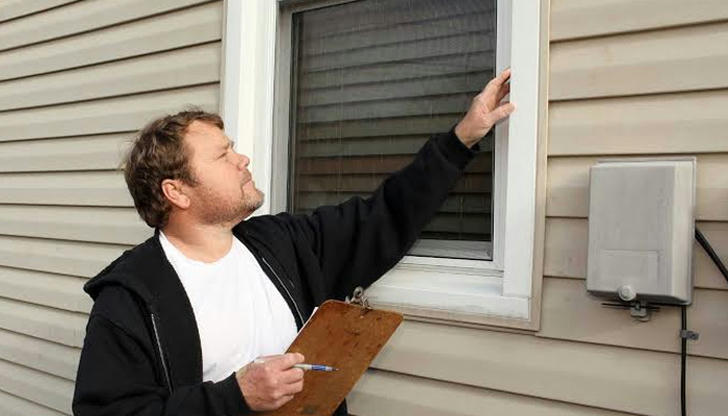
The condition of the frame is one of the biggest clues.
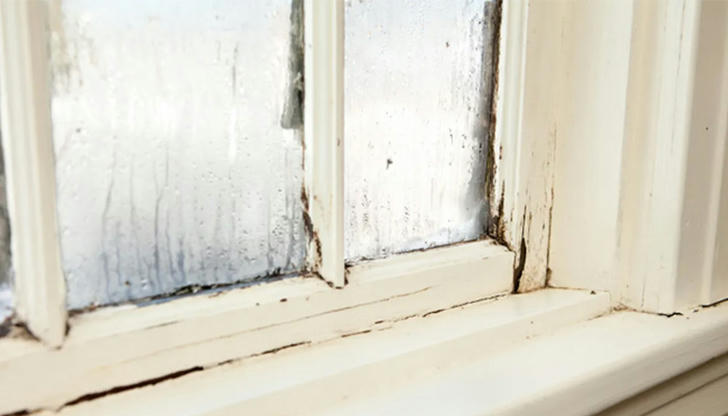
Look for soft wood, swelling, peeling finishes, deep cracks, or visible rot. Small areas of surface damage may be repairable if caught early.
Extensive rot is more serious. It can weaken the frame and allow moisture to spread into nearby materials.
A warped frame can also prevent the window from closing properly, which may cause drafts, leaks, and locking problems.
When damage covers a large part of the frame, replacement often makes more sense than repeated patching.
7. Test the Hardware
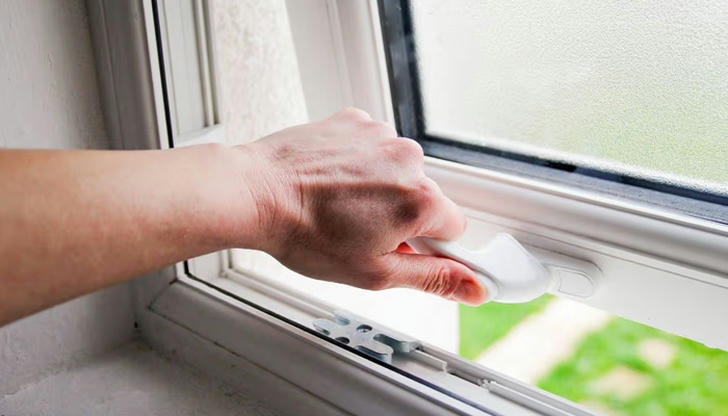
Open and close the window several times.
It should move without excessive force and lock securely. If a handle, latch, hinge, balance, or crank is broken, replacing that part may solve the problem.
Hardware repairs are usually much smaller jobs than replacing the entire window.
The situation is different when several parts fail at once. A window that sticks, does not lock, and has a damaged frame may be nearing the end of its useful life.
8. Find the Source of Leaks
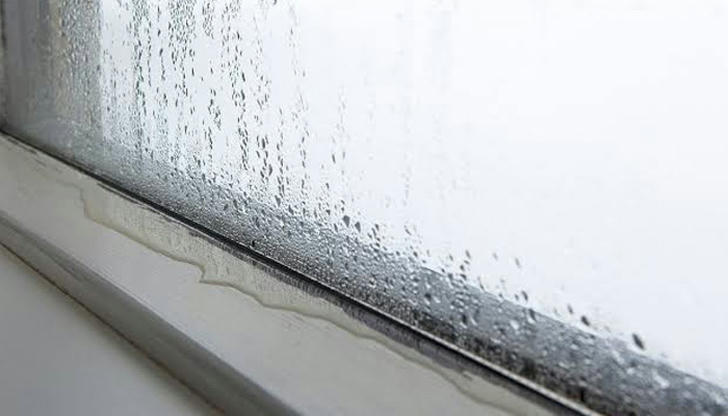
Water near a window does not always mean the window itself is leaking.
The real source could be damaged flashing, worn exterior sealant, siding problems, or water entering higher up on the wall.
Adding more caulk without finding the source may only hide the problem for a while.
If water keeps returning after rain, the area should be inspected carefully. Repeated leaks can damage drywall, insulation, trim, and framing.
A leak that continues after proper repairs may be a sign that the window or its installation needs more serious attention.
9. Consider the Window's Age
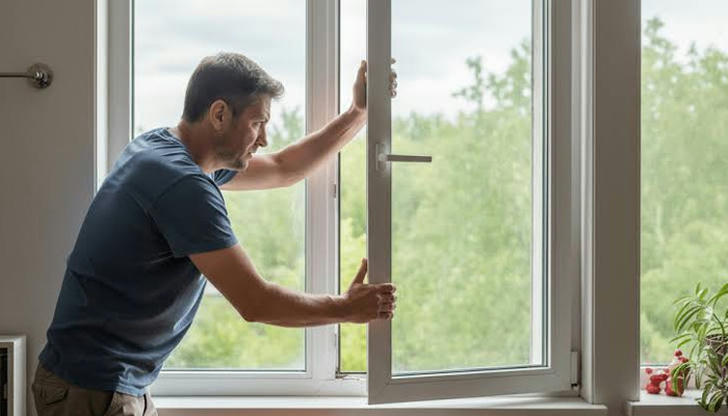
Age matters, but it should not be the only factor.
An older window that still opens, closes, locks, and stays dry may not need replacement. A newer window with poor installation can sometimes have more problems than an older one.
Think about how often the window needs repairs.
10. Think About Comfort
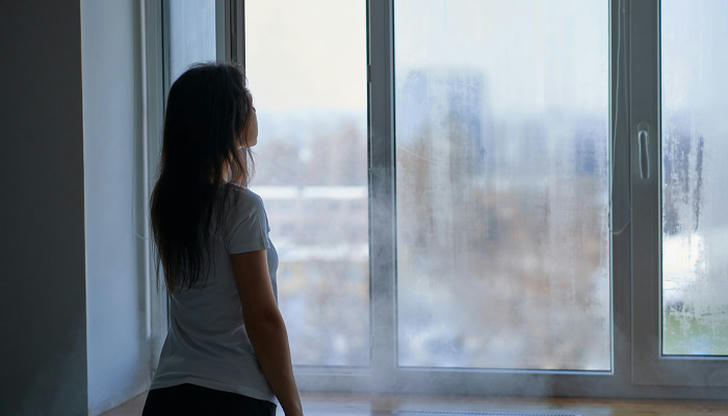
Windows can affect how comfortable a room feels.
Drafts, cold glass, excessive heat from sunlight, and uneven temperatures may all be signs that the window is not performing well.
Some comfort problems can improve with better sealing, curtains, shades, or minor repairs.
Replacing windows may improve performance in some homes, but it should not be assumed to be the only solution. Climate, installation quality, window condition, and cost all play a role.
Fix obvious air leaks first and see whether the room becomes more comfortable.
11. Repair or Replace?
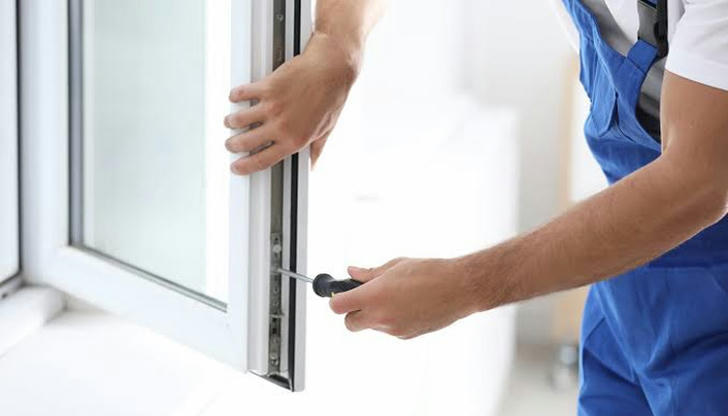
A repair is often enough when the problem is limited to weatherstripping, caulk, hardware, dirty tracks, or a replaceable glass unit.
Replacement may be worth considering when the frame has major rot, the window no longer opens or locks reliably, leaks keep returning, or several parts are failing at the same time.
Look at the window as a whole.
One small problem usually does not justify full replacement. Several serious problems together are a much stronger sign that replacement may be the better option.
12. Know When to Call a Pro
Some window problems are difficult to diagnose from the surface.
Persistent leaks, major frame damage, failed insulated glass, and flashing problems are good reasons to get professional help.
The same is true for windows that are high off the ground or difficult to reach safely.
The goal is not to replace a window as quickly as possible. It is to understand the problem first.
A careful inspection can help you decide whether you need a small repair, a new part, or a full replacement. In many cases, starting with the simplest fix can save time and money.