
Home Repairs That Should Never Be Ignored by Homeowners
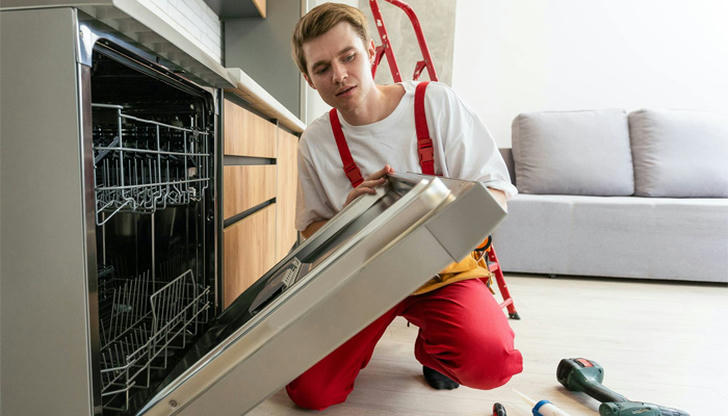
Every homeowner has a short mental list of things to fix "someday." A small crack you've stepped over for years. A drip that only shows up once in a while. A light that flickers but still works.
Most of the time, nothing bad happens right away. That's why these issues are easy to ignore.
But some home repairs don't stay small. They quietly grow, spread, and turn into problems that cost far more than expected --- not just in money, but in safety and disruption.
The key isn't fixing everything at once. It's knowing which home repairs should never be ignored, even when they don't feel urgent.
1. Structural Issues
Cracks in Walls That Signal Structural Movement
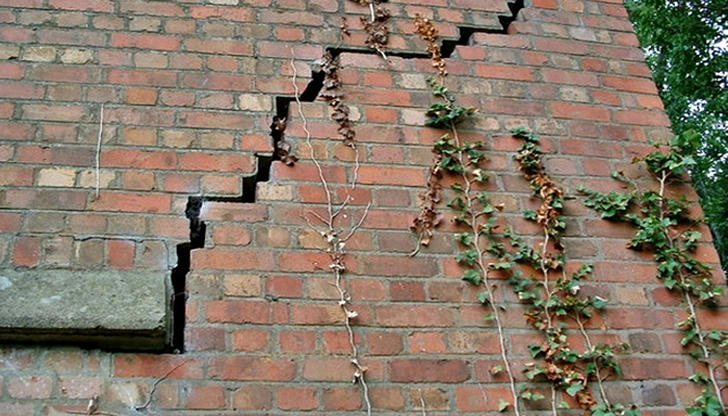
Small surface cracks are common, especially as materials expand and contract. What makes them serious is change over time. Cracks that widen, lengthen, or reappear after being patched often indicate movement below the surface.
Structural movement rarely affects just one area. As it progresses, homeowners may notice doors that no longer close properly, windows that stick, or floors that feel slightly uneven. These are not isolated issues --- they are often connected signs of shifting support.
Left unaddressed, structural movement can place stress on framing, foundations, and load-bearing elements. Repairs that could have been limited early may later require extensive reinforcement or partial reconstruction.
What to do:
Focus on progression, not appearance. If cracks continue to grow, spread to new areas, or appear alongside other changes like sticking doors or sloping floors, a professional evaluation is necessary. Early assessment helps limit both disruption and cost.
2. Water Leaks
Persistent Leaks or Recurring Water Stains
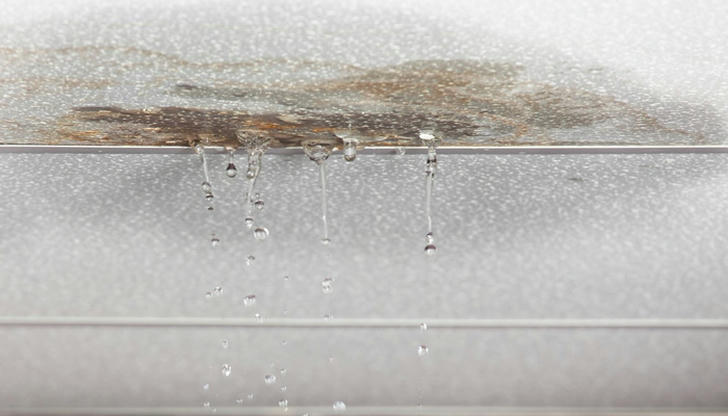
Water stains on ceilings, walls, or cabinets often appear harmless, especially if they dry out on their own. Many homeowners repaint or wipe the area and move on.
The problem is that water rarely stays where it first appears. It can travel along framing, insulation, and drywall, spreading damage quietly behind the surface. Over time, this can lead to wood rot, weakened materials, or mold growth in areas you don't regularly see.
What to do:
Fix the source of the leak, not just the visible stain. If a stain returns after drying or repainting, the underlying issue hasn't been resolved. Early leak repairs are far simpler than dealing with hidden structural or mold damage later.
3. Electrical Problems
Flickering Lights and Frequently Tripping Breakers
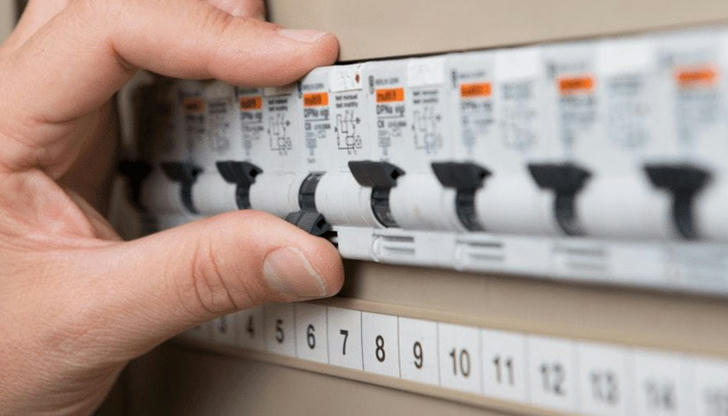
Circuit breakers are designed to trip for safety reasons. Flickering lights, unreliable outlets, or warm switches are warning signs, not normal quirks.
According to the U.S. Consumer Product Safety Commission, electrical failures and malfunctions are among the leading causes of residential fires, often linked to ignored early symptoms.
What to do:
Stop repeatedly resetting breakers. If electrical problems persist, have the system inspected. Early electrical repairs greatly reduce fire risk and prevent more serious damage.
4. Roof Damage
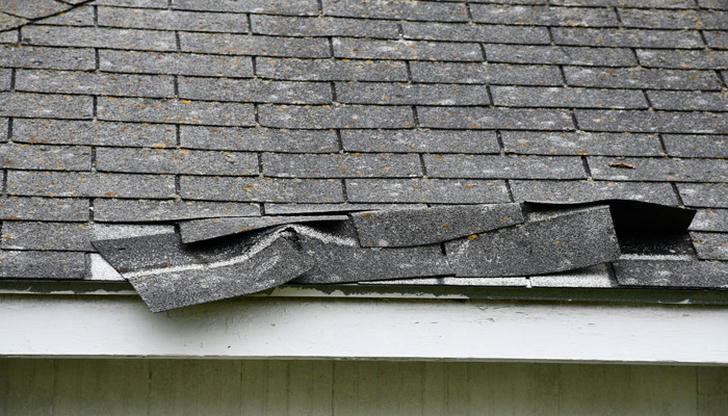
Missing Shingles and Exterior Openings
Roof and siding damage often looks minor from the ground. However, even small openings allow moisture to enter, damaging insulation and framing long before stains appear indoors.
What to do:
Repair damaged shingles, cracked siding, or peeling paint as soon as they are noticed. Early exterior repairs are far less costly than interior water damage repairs later.
5. Heating and Cooling Issues
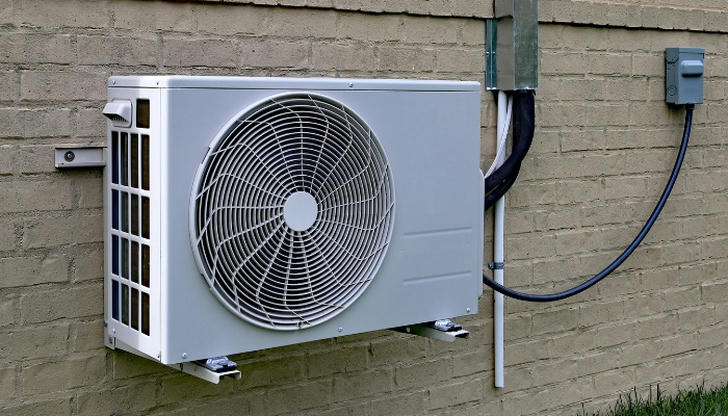
Uneven Temperatures and Unexplained Energy Increases
Unusual noises, uneven heating, or rising energy bills without a change in usage often indicate airflow or efficiency issues.
The U.S. Department of Energy estimates that air leaks and inefficiencies can account for up to 30% of heating and cooling energy loss.
What to do:
Check filters and vents first. If problems continue, schedule an inspection. Addressing efficiency issues early helps prevent breakdowns during extreme weather and extends system life.
6. Moisture and Mold
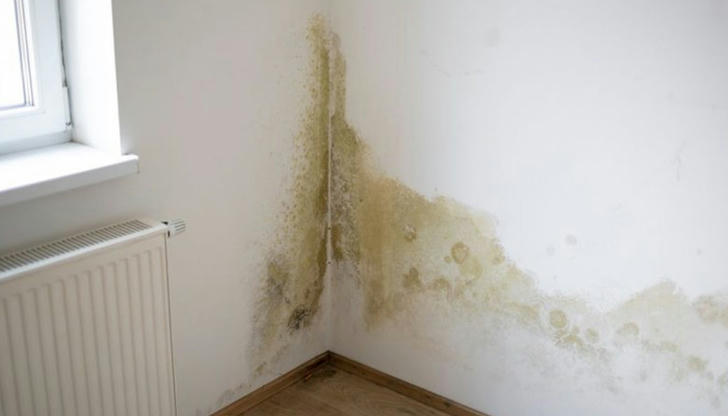
Musty Odors and Ongoing Damp Conditions
Mold doesn't always appear as visible spots. Often, the earliest signs are subtle --- a musty smell that never fully goes away, peeling paint near ceilings, or rooms that always feel damp.
Moisture problems also tend to affect indoor air quality, which can be especially noticeable for older adults or anyone with respiratory sensitivities. Left unaddressed, small moisture issues can spread into walls, floors, and ventilation systems.
What to do:
Improve ventilation and identify moisture sources as early as possible. Fixing humidity issues and small leaks promptly helps prevent mold from spreading and avoids more disruptive remediation later.
7. Foundation Drainage
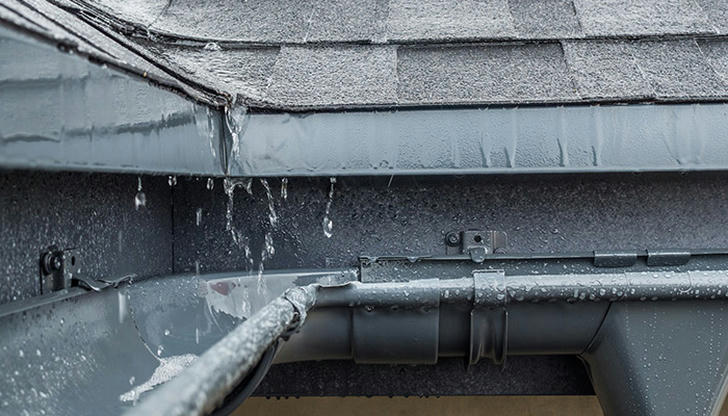
Water Pooling Near the Foundation
Water collecting near the home after rain or snowmelt is often dismissed as a temporary issue. In reality, repeated pooling puts constant pressure on foundation walls and increases the risk of seepage and cracking.
Over time, poor drainage can contribute to basement moisture, musty odors, and even structural movement. These problems usually develop slowly, making them easy to overlook until damage becomes obvious.
What to do:
Improve drainage by keeping gutters clear, extending downspouts away from the house, and correcting grading where water collects. Addressing drainage early helps protect both the foundation and interior spaces from long-term damage.
8. Plumbing Blockages

Slow Drains and Recurring Pipe Blockages
A sink that drains slowly or a toilet that clogs "once in a while" often feels like a minor inconvenience. Temporary fixes may restore flow, but they rarely solve the underlying issue.
Recurring drain problems usually point to buildup inside pipes, partial blockages, or aging plumbing lines. Over time, restricted flow increases pressure and raises the risk of leaks or backups affecting multiple fixtures.
What to do:
If the same drain keeps slowing down or clogging again after basic fixes, a professional inspection is needed. Addressing the root cause early helps avoid water damage and emergency plumbing repairs.
Final Thoughts
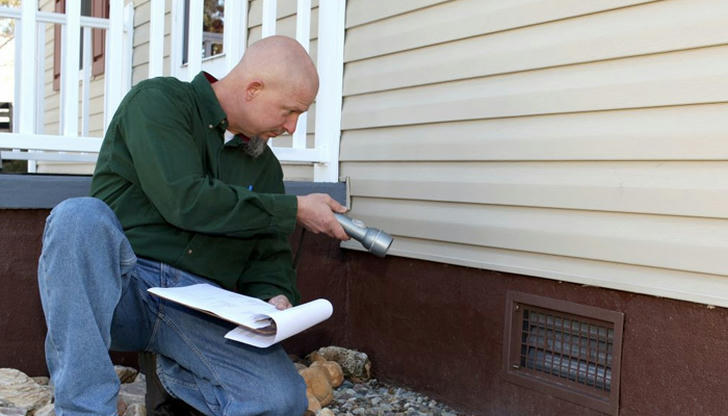
Some home repairs are easy to live with. Others quietly grow until they demand attention on their own terms.
By understanding which home repairs should never be ignored, homeowners protect their safety, comfort, and long-term investment. In most cases, acting early isn't just cheaper --- it's easier.
And when it comes to home repair, easier almost always means better.