
'Fix It or Just Replace It?' How to Know When Repairs Are Actually a Waste of Money

If you've ever stared at a broken appliance, squinting like it might magically repair itself, you're not alone. Most of us were raised with the idea that repairing is always cheaper than buying new. And sometimes that's true. But other times? Repairing is basically throwing good money after bad --- especially when the problem is bigger, older, or more unpredictable than it looks.
So how do you know when a repair is smart... and when it's secretly draining your wallet? Here's the everyday guide people actually use in real life --- not the perfect-world version your warranty booklet promises.
1. If the Repair Costs More Than 50% of a New Replacement, It's Usually Not Worth It

This is the classic rule-of-thumb, and honestly, it still works.
If your appliance, gadget, or tool needs a repair that costs half or more of a brand-new replacement, you're usually better off replacing. Why? Because big-ticket repairs on older equipment rarely come as a single chapter. They come as sequels.
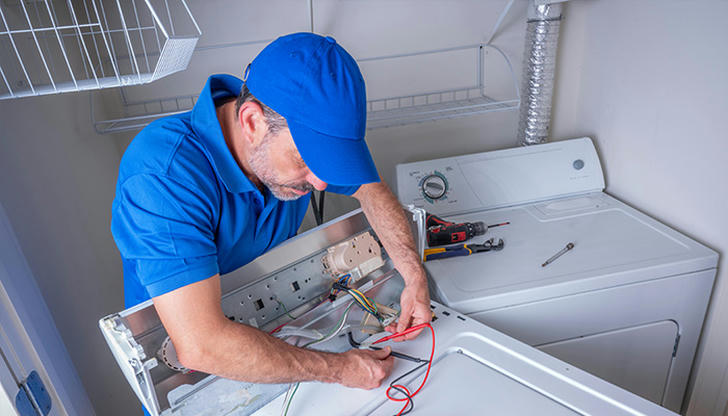
A $350 repair on a $600 washing machine might fix today's leak, but it won't rewind its internal age. The motor, bearings, or control board are still the same age they were yesterday --- and they'll be next in line.
A simple mindset:
If the repair doesn't bring the whole machine back to near-new condition, it's probably not worth the cash.
2. When You've Already Repaired It Twice (or More) in the Past Year
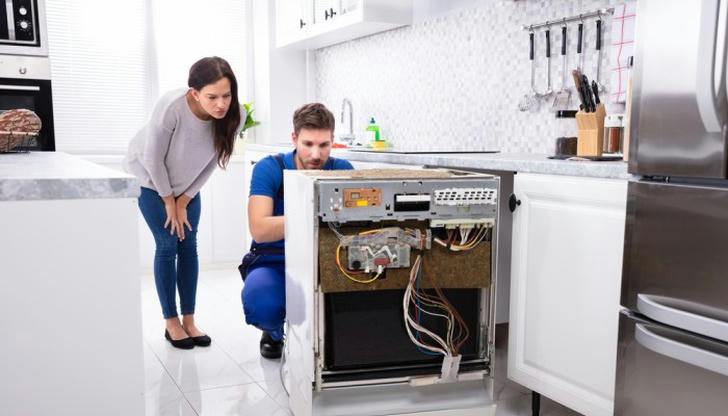
Once something becomes a "frequent flyer" at the repair shop, it's no longer a repair problem --- it's a reliability problem.
If you've fixed the same appliance twice in the last 12 months, that's your sign: the whole system is wearing down. You're not unlucky. The machine is simply old, fatigued, and running on borrowed time.
The daily-life reality:
Every repair you approve is a bet... and the odds usually get worse each time.
3. When Replacement Parts Are Hard to Find (or Outrageously Expensive)
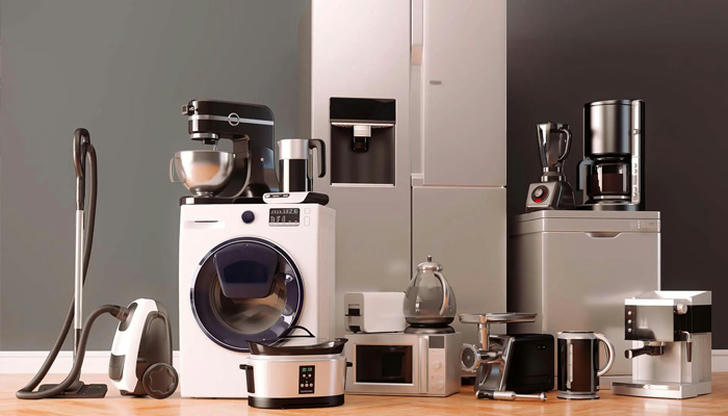
If you or the technician goes hunting for parts and they turn out to be:
discontinued,
on a 6-week wait list,
only available as an overpriced "full module" instead of a simple component...
...it's time to walk away.
Many brands quietly discontinue parts around year 7--10, pushing you toward a new model. Instead of fighting the tide, use it as your signal that the product has reached the end of its economical lifespan.
4. When Energy Efficiency Has Fallen Way Behind
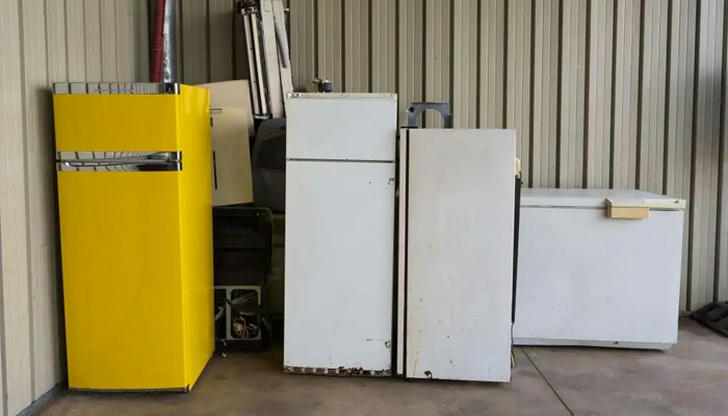
Even if your old fridge or AC can be repaired, it may still be burning money in the background.
Technology jumps fast. An appliance that's 12 years old might literally cost double the electricity of a modern model. That means repairing it might "save" you $200 today but cost you $200 every year in wasted power.
A repair that doesn't reduce long-term energy costs is not a smart investment --- it's a delay.
5. When Safety Is in Question
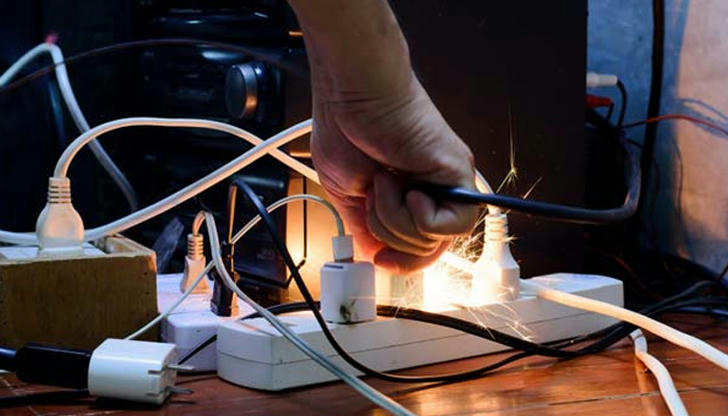
Some problems don't deserve a repair attempt... because the risk is too high.
If a product has:
electrical burning smells
a cracked heating element
recurring short circuits
overheating issues
leaks near wiring
...don't even think about repairs unless a professional confirms it's safe (and economical). With older devices especially, one bad wire can cascade into a much bigger hazard.
If safety is questionable, replacement is always the cheaper option --- because the alternative cost is too big to gamble.
6. When the Warranty Is Already Long Gone and Repairs Have No Guarantee
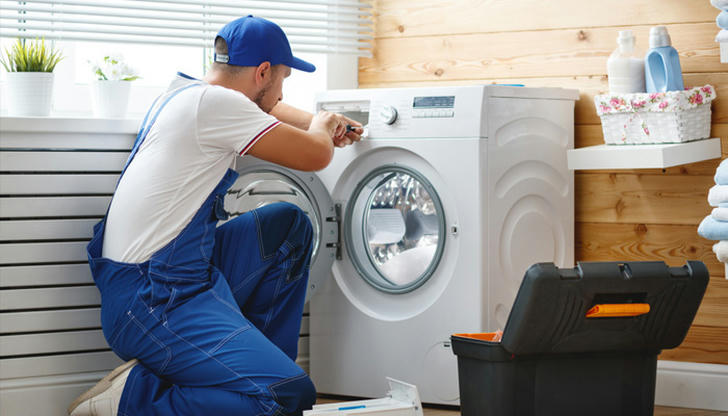
Out-of-warranty repairs often come with short guarantees --- sometimes only 30 days. That's not much peace of mind when you're fixing a 9-year-old appliance whose other components could fail anytime.
By contrast, a new machine usually comes with:
1--2 years full warranty
optional extended coverage
updated safety standards
modern parts that will remain available for years
If a repair will give you 30 days of confidence and a new appliance gives you 24 months, you can guess which option pays off long term.
7. When Technology Has Moved On (and Your Old Unit Is Annoying to Use)
This is the underrated reason people don't always talk about.
Sometimes the issue isn't cost --- it's quality of life.
Maybe your TV still technically works, but:
it buffers every app
it doesn't support modern streaming
it loads menus at the speed of a rotary phone
the remote needs a secret combination of taps and prayers
Sure, it can be "repaired," but does bringing it back to 2014 performance really improve your life today?
If replacing gives you cleaner features, smarter controls, or drastically better user experience, that counts as real value --- not just "spending money."
8. When the Repair Doesn't Address the Real Root Problem
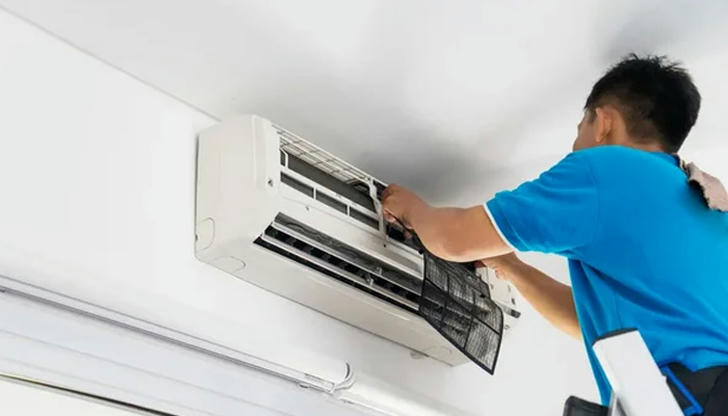
A technician might fix the symptom without solving the cause.
Examples:
The AC stops cooling → gas refill fixes it... but the leak remains.
The dryer overheats → a new thermostat works... but the vent duct is still clogged.
The dishwasher leaks → gasket replaced... but hidden corrosion continues spreading.
Repairs like these are temporary masks. If the underlying issue is structural, the repair will never last.
9. When It's an Item You Use Daily (And Downtime Costs You Money)
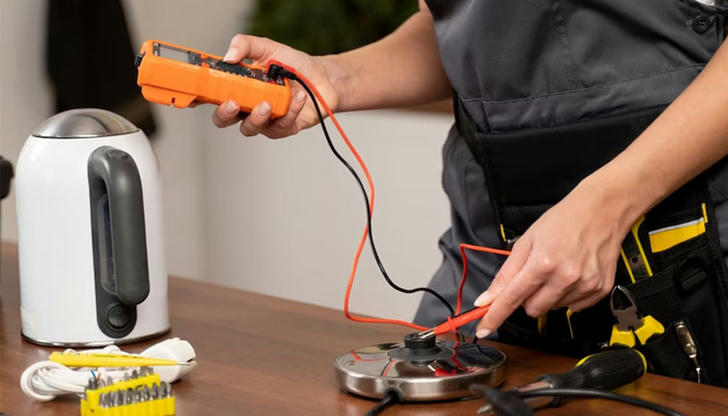
Some things --- like work tools, laptops, phones, or kitchen essentials --- aren't just objects. They're part of your routine.
If repairing them means:
10--14 days without the item
unreliable performance after the fix
a high chance of another failure
...then replacing becomes the more practical, less stressful option.
Your time and convenience have real value.
Final Takeaway: Repair When It Makes Sense. Replace When It Saves You Stress.
There's no one perfect rule, but here's the practical life test many people use:
If a repair gives your item a genuine second life → repair.
If it only delays the inevitable → replace.
Your wallet --- and your peace of mind --- will thank you.