
10 Home Repairs That Help Protect Your Home From Water Damage
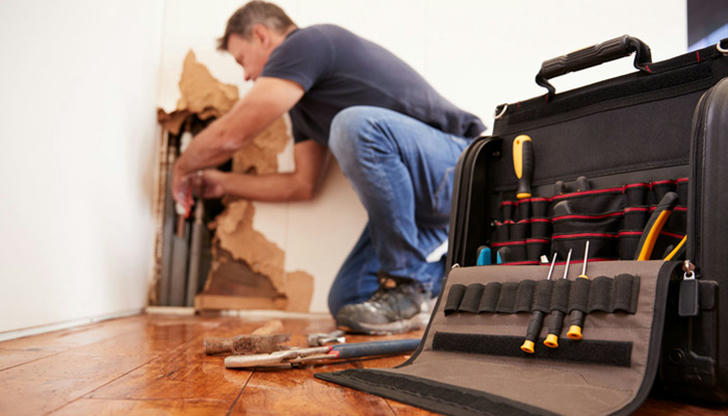
Water damage often starts quietly. A loose seal, a slow drip, a clogged gutter, or a small roof gap may not seem urgent at first, but these problems can spread into walls, floors, ceilings, and foundations. The good news is that many water-related problems can be reduced with simple repairs done early. Here are the key home repairs that help protect your house before moisture turns into expensive damage.
1. Fix Roof Leaks
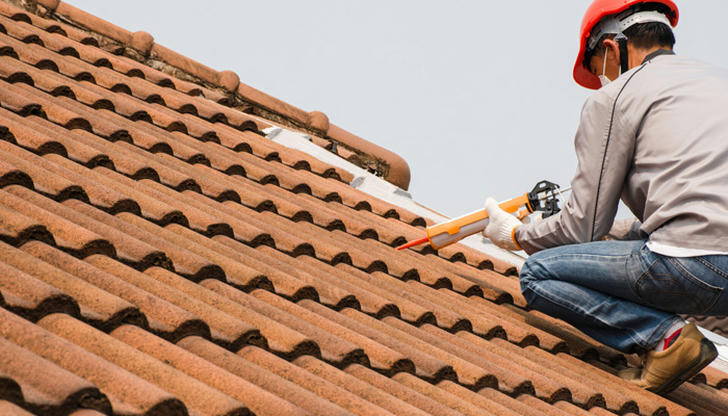
Your roof is one of the first places to check for water damage. A missing shingle, cracked flashing, or small gap near a vent, chimney, or skylight can let rainwater into the attic and spread to insulation, ceilings, or walls.
Common warning signs include brown ceiling stains, peeling paint near the ceiling, damp attic insulation, or a musty smell after rain. If you see these signs, do not wait for water to drip into the room.
Suggested repairs:
- Replace missing or broken shingles.
- Repair cracked flashing around chimneys, vents, and skylights.
- Seal small gaps around roof penetrations.
- Check the attic after heavy rain for damp spots.
2. Clean Gutters
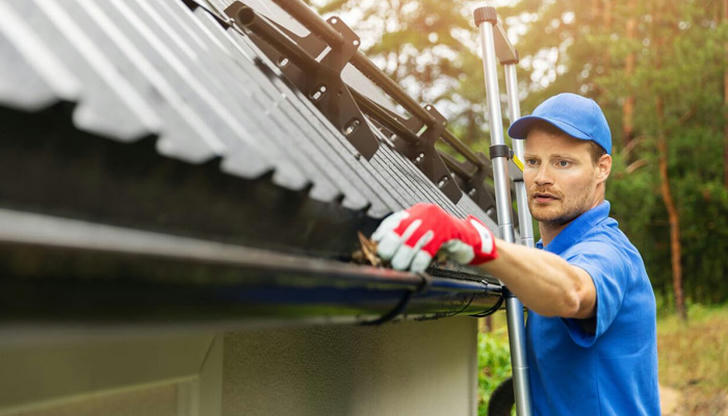
Gutters may look simple, but they play a major role in protecting your home. Their job is to move rainwater away from the roof edge, siding, and foundation. When gutters are clogged with leaves, dirt, or small branches, water can spill over the sides and run down places it should not.
Overflowing gutters can damage fascia boards, stain siding, soak the soil near the house, and increase the risk of basement moisture.
Suggested repairs:
- Remove leaves, dirt, and roof debris.
- Seal leaking gutter joints.
- Reattach loose or sagging gutter sections.
- Check that water flows smoothly toward the downspouts.
3. Extend Downspouts
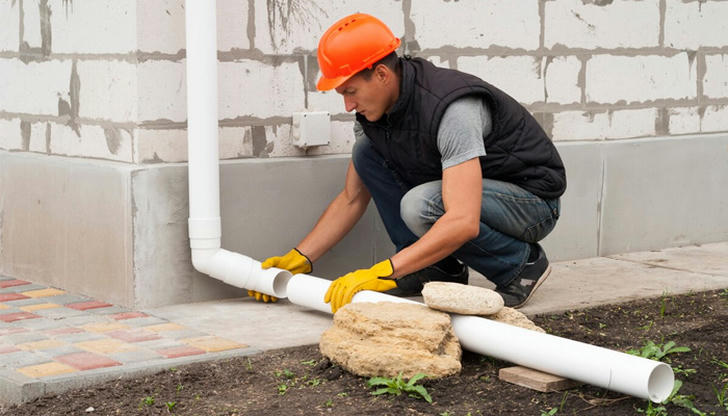
Even clean gutters cannot protect your home if downspouts release water right next to the foundation. Water should move away from the house, not collect beside it. When downspouts end too close to the wall, the soil can become saturated and push moisture toward the basement or crawl space.
Suggested repairs:
- Add downspout extensions.
- Install splash blocks where water exits.
- Redirect water away from basement windows.
- Check for pooling after rain.
4. Seal Windows
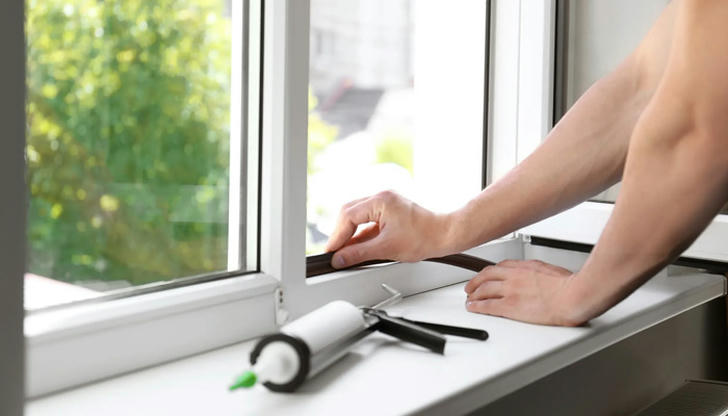
Windows are common entry points for rainwater, especially when caulk, flashing, or trim begins to fail. A tiny gap around a window can allow water to seep behind siding or into the wall. Over time, this may lead to soft trim, peeling paint, warped wood, or hidden mold.
Suggested repairs:
- Remove cracked or loose caulk.
- Apply fresh exterior-grade sealant.
- Repair or replace soft wood trim.
- Check for stains or bubbling paint around the frame.
5. Repair Bathroom Seals
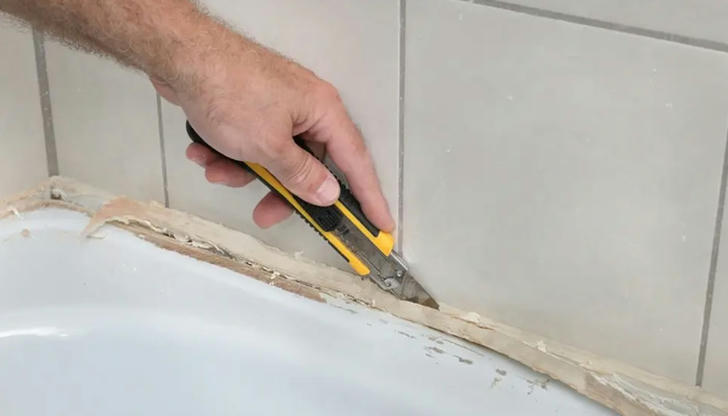
Bathrooms deal with water every day, so small seal problems can quickly become hidden damage. The most common trouble spots are around tubs, showers, sinks, tile edges, and toilet bases.
Cracked caulk around a tub or shower can let water slip behind the wall or under the flooring. Missing grout between tiles can do the same.
Suggested repairs:
- Replace cracked caulk around tubs and showers.
- Repair missing or loose grout.
- Fix loose tiles before water gets behind them.
- Check around the toilet base for moisture or soft flooring.
6. Stop Pipe Drips
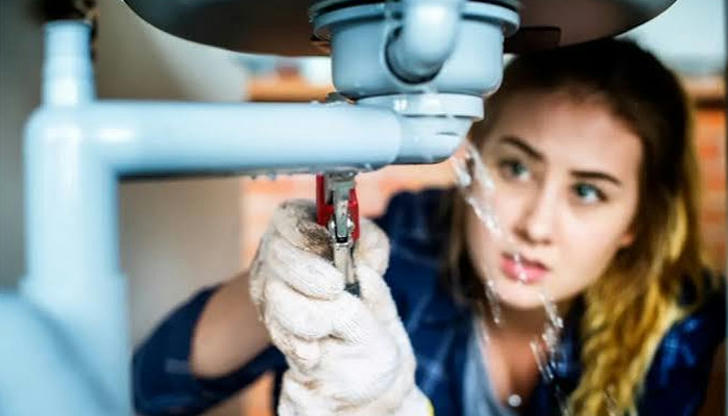
Slow plumbing leaks are easy to ignore because they often hide under sinks, behind appliances, or inside cabinets. But even a small drip can damage wood, flooring, drywall, and stored items over time.
Suggested repairs:
- Tighten loose fittings.
- Replace worn washers.
- Check supply lines under sinks.
- Inspect refrigerator, dishwasher, and washing machine connections.
- Call a plumber for hidden or active pipe leaks.
7. Check Toilet Leaks
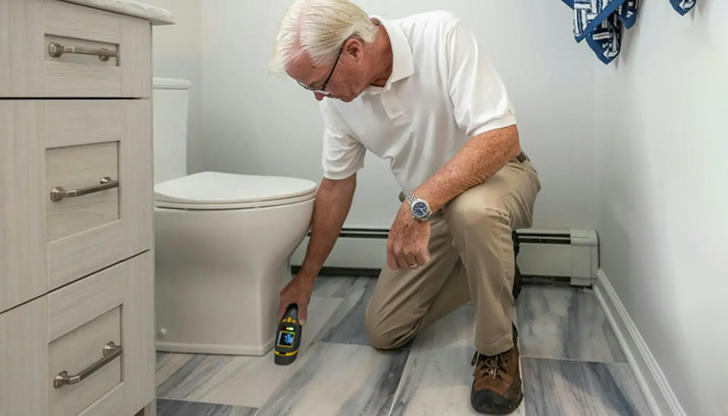
Toilet leaks are often missed because water may collect under the base before it becomes visible. A toilet that moves when you sit on it, flooring that feels soft nearby, stains around the base, or an unpleasant smell can all suggest a hidden leak.
Suggested repairs:
- Replace the wax ring if water appears near the base.
- Tighten loose toilet bolts carefully.
- Repair leaking tank parts.
- Replace worn flappers or fill valves if the toilet keeps running.
8. Seal Basement Cracks
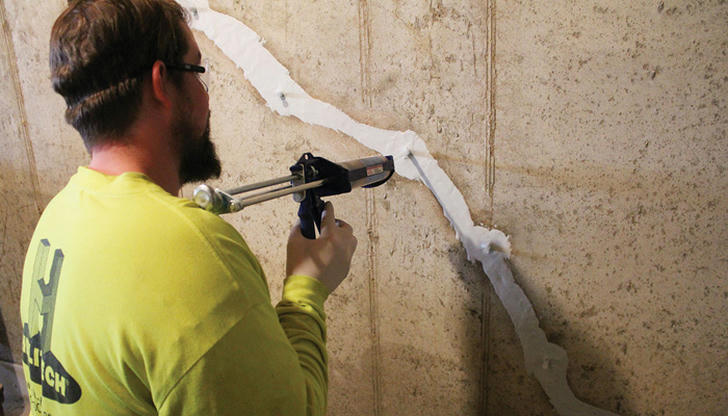
Basements and crawl spaces are especially vulnerable to moisture. Small foundation cracks, poor grading, blocked drains, or window well problems can allow water to enter during heavy rain.
Suggested repairs:
- Seal small foundation cracks.
- Clear leaves and debris from window wells.
- Repair damaged basement window seals.
- Test the sump pump if the home has one.
- Call a professional for repeated flooding or large cracks.
9. Improve Yard Drainage
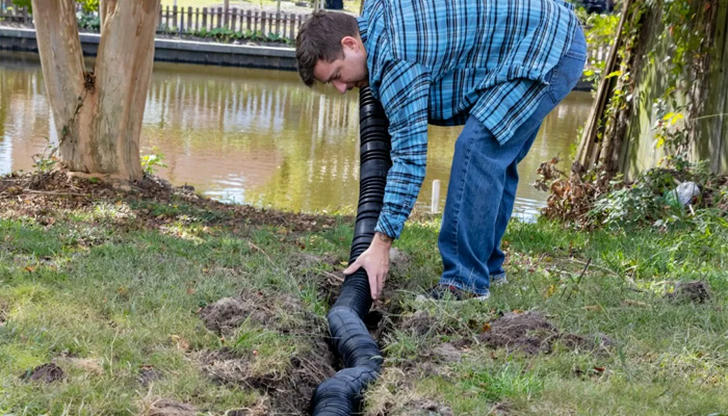
The ground around your home should slope away from the foundation. If the yard slopes toward the house, rainwater naturally moves in the wrong direction. Over time, that can increase pressure on basement walls and raise the chance of leaks.
Suggested repairs:
- Add soil to low spots near the foundation.
- Shape the ground so water flows away from the house.
- Redirect downspouts toward safe drainage areas.
- Consider a French drain for repeated pooling.
10. Repair Exterior Trim
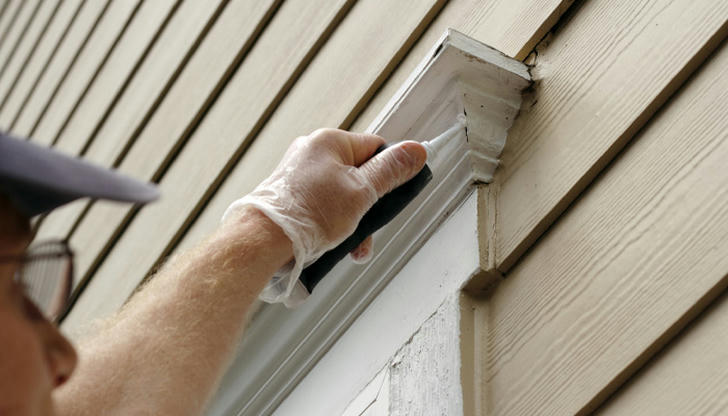
Damaged siding, cracked exterior trim, and rotted wood can allow wind-driven rain to enter the structure. These problems often start around corners, window frames, doors, exterior lights, and areas where different materials meet.
Suggested repairs:
- Replace rotted wood trim.
- Seal gaps around siding and exterior fixtures.
- Repaint exposed wood surfaces.
- Repair cracks around doors and windows.
11. Watch Water Heaters
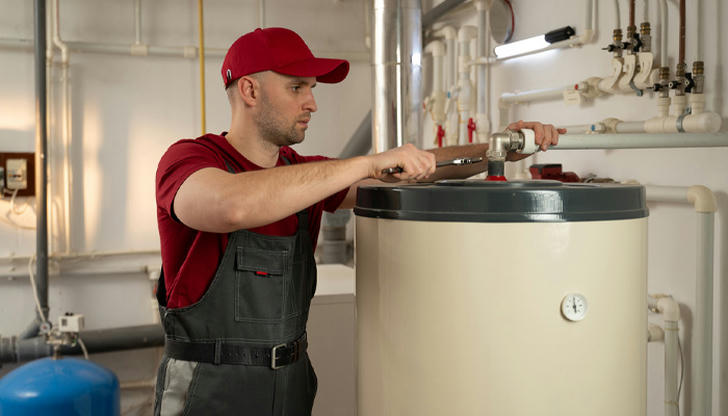
A leaking water heater can cause serious damage quickly, especially if it is located in a basement, utility closet, garage, or finished area. Signs of trouble include rust near the base, moisture around the tank, dripping valves, corrosion on connections, or water in the drain pan.
Suggested repairs:
- Replace leaking valves.
- Check the drain pan for standing water.
- Inspect pipe connections for corrosion.
- Consider replacing an aging or repeatedly leaking unit.
- Use a licensed professional for gas or electrical issues.
12. Know the Warning Signs
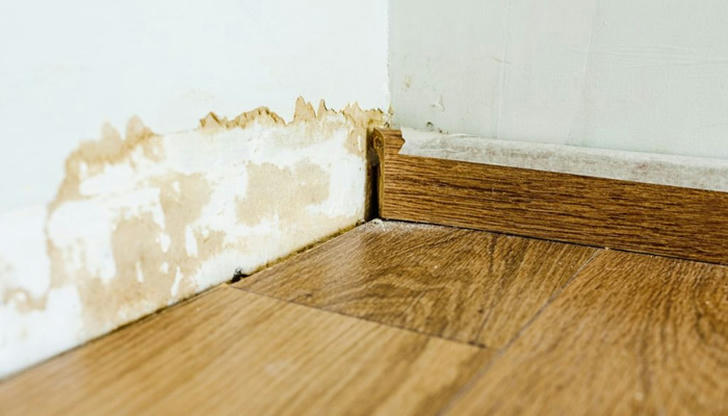
Some signs of water damage are easy to miss until they become obvious. Pay attention to musty smells, peeling paint, warped baseboards, soft flooring, damp cabinets, ceiling stains, mold-like spots, or an unexplained increase in the water bill.
Small repairs are often the best defense. Fix the drip, seal the gap, clear the gutter, and redirect the water early. Those simple steps can help keep moisture where it belongs---outside your home.