
Your Plants Might Be Struggling Because of These Everyday Gardening Mistakes
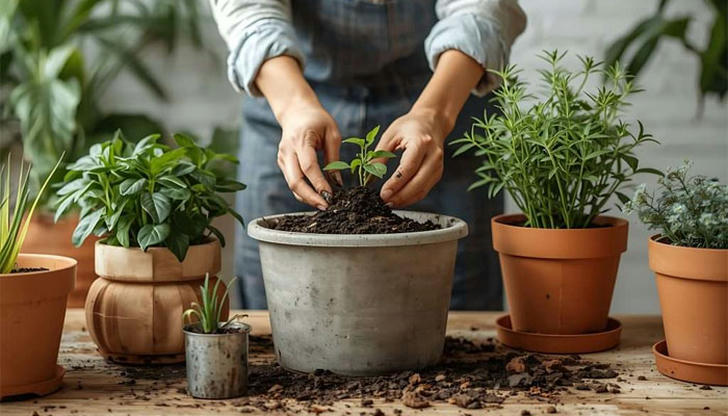
A struggling plant can be frustrating. You water it, move it into a nicer spot, add fertilizer, and still wonder why the leaves look tired or the flowers never appear. Many homeowners assume they simply chose the wrong plants, but the real problem is often hidden in everyday gardening habits.
Small mistakes can slowly affect plant health without being obvious at first. From watering routines to soil choices, these common gardening habits may be holding your plants back. Take a look and see if any of these mistakes are happening in your own backyard.
Watering Too Often
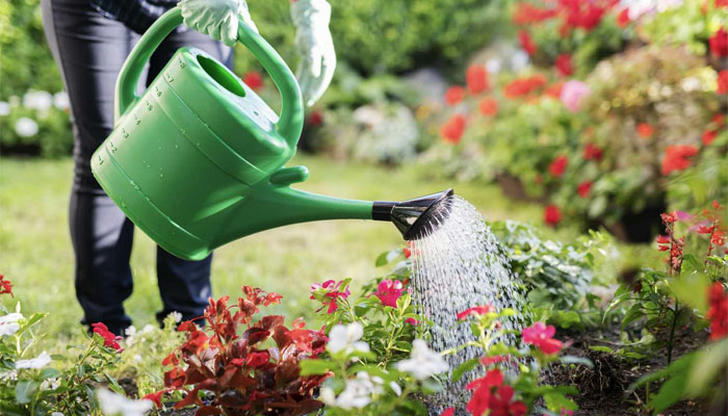
One of the most common gardening mistakes is assuming that more water always means healthier plants. When leaves start turning yellow or growth slows down, many people reach for the watering can. However, too much moisture can sometimes create bigger problems than dry soil.
Plant roots need water, but they also need oxygen, and constantly wet soil can prevent roots from functioning properly.
Overwatering may lead to root problems, weak growth, and even plant death. Before watering, check the soil instead of following a strict daily schedule. Many plants prefer deep watering less often rather than small amounts every day. Good drainage is also important because excess water needs somewhere to go.
Putting Plants in the Wrong Light
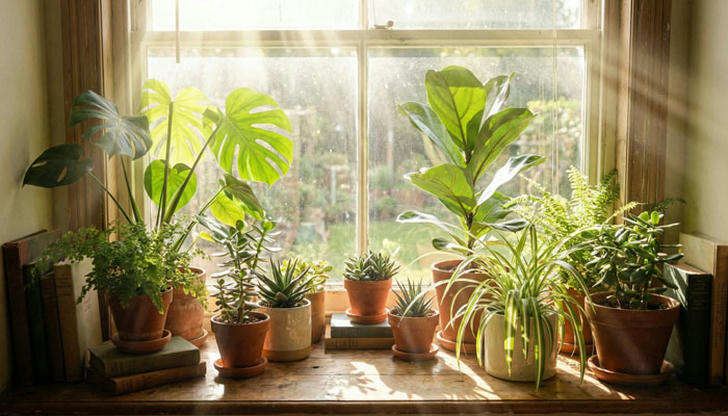
A beautiful plant at the garden center can look very different once it arrives in your yard. One reason is that many homeowners choose plants based on appearance without considering how much sunlight their outdoor space actually receives. A plant that needs full sun may struggle in a shady corner, while a shade-loving plant can become stressed under intense afternoon heat.
Light problems are often easy to miss because plants may not die immediately. Instead, they may grow slowly, produce fewer flowers, or develop pale leaves. Before planting, pay attention to how much sunlight an area receives throughout the day and choose plants that match those conditions.
Using the Wrong Soil
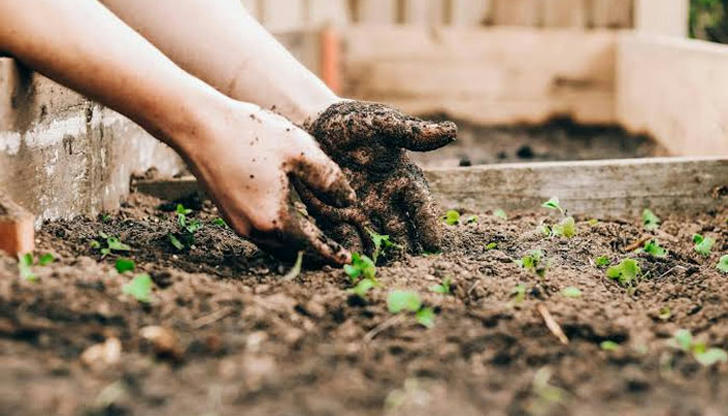
Healthy plants start with healthy soil, but many gardeners overlook this important foundation. It is tempting to use the same soil for every plant, especially when working on a large garden project. However, different plants have different needs when it comes to drainage, nutrients, and texture.
Heavy soil that holds too much water can cause problems for plants that prefer dry conditions, while poor soil may leave vegetables and flowers without enough nutrients. Adding compost, improving drainage, or choosing the right soil mix can make a noticeable difference. Sometimes the plant is not the problem -- the ground beneath it is.
Ignoring Plant Spacing
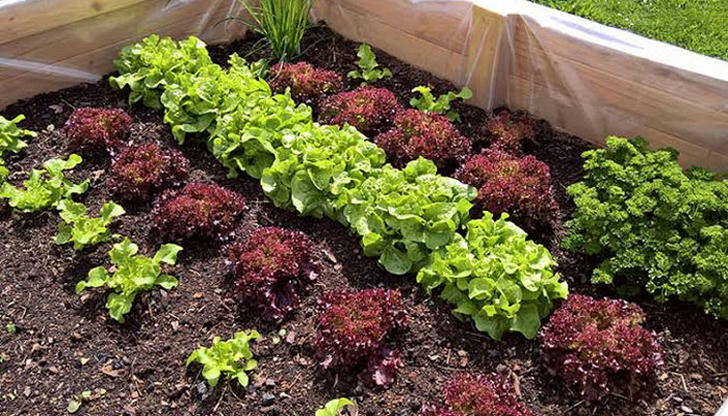
When creating a garden, it can be exciting to fill empty spaces with more plants. A crowded garden may look impressive at first, but plants need room to grow. When they are placed too close together, they compete for sunlight, water, and nutrients.
Poor spacing can also reduce airflow between plants, making it easier for diseases and pests to spread. This is especially common with vegetables like tomatoes and cucumbers, which can quickly become crowded. Giving plants enough space may make your garden look less full at the beginning, but it often creates healthier growth over time.
Pruning at the Wrong Time
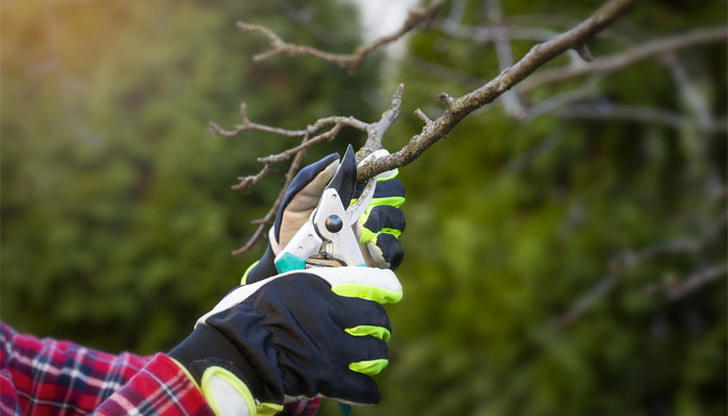
Pruning can help plants stay healthy, but cutting at the wrong time can create unexpected problems. Some gardeners remove branches whenever a plant looks messy, without realizing that certain plants have specific growing and flowering cycles.
Removing the wrong branches at the wrong season may reduce flowers or slow new growth. Instead of trimming based only on appearance, learn when your plants naturally grow, bloom, or rest. Removing dead or damaged parts is usually helpful, but major pruning should be done with the plant's growth pattern in mind.
Using Too Much Fertilizer
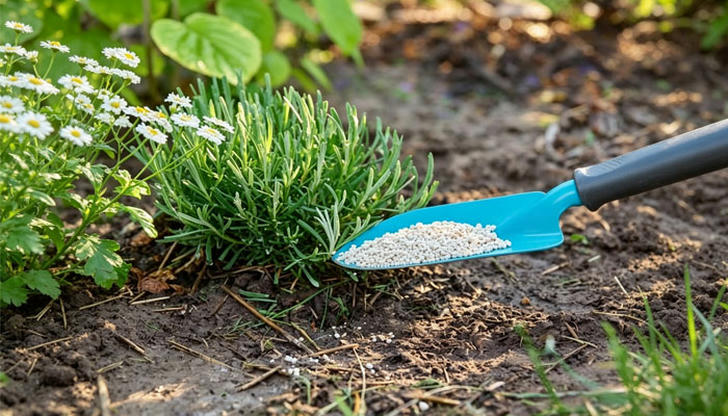
Fertilizer can give plants extra nutrients, but more is not always better. Many gardeners believe adding more fertilizer will make plants grow faster, yet excessive amounts can actually damage roots and create unhealthy growth.
Too much fertilizer may encourage lots of leaves while reducing flowers or fruit production. It can also affect the balance of nutrients in the soil. Follow the recommended amount on the package and avoid adding extra simply because a plant seems slow. Sometimes plants need better conditions, not more products.
Waiting Too Long to Handle Pests
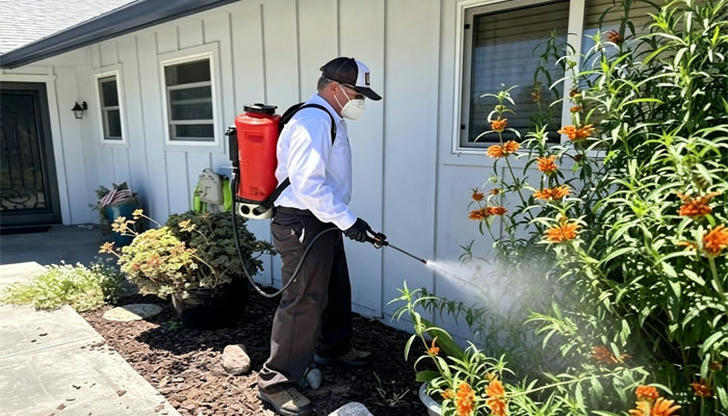
Small pest problems can become major garden problems if they are ignored. Many gardeners notice insects only after leaves have significant damage, but early signs are often much easier to manage.
Look for clues such as small holes, curled leaves, sticky residue, or unusual spots. Common garden pests like aphids, caterpillars, and spider mites can spread quickly. Regularly checking your plants for changes can help you catch problems before they become difficult to control.
Planting Without Considering Your Climate
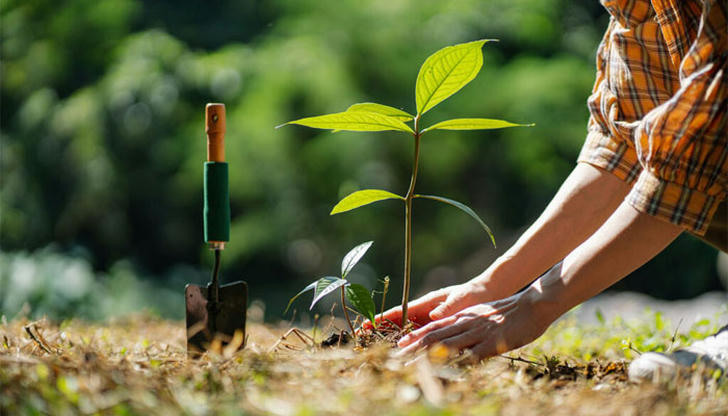
A plant that thrives in one part of the country may struggle somewhere else. Many gardeners buy plants because they look beautiful online or at a local store, but they forget that temperature, humidity, and seasonal changes all affect growth.
Understanding your local growing conditions can save time and money. Factors like frost dates and plant hardiness zones help you choose plants that are more likely to succeed. The right plant in the right location usually requires less effort and produces better results.
Using the Wrong Garden Tools
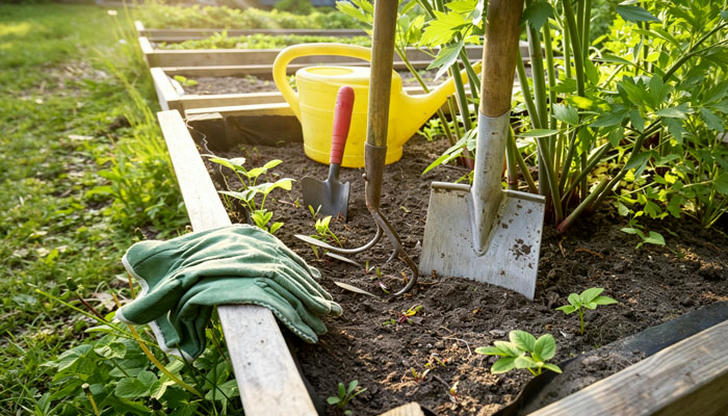
Sometimes the problem is not your gardening knowledge -- it is the tools you are using. Trying to complete every task with one basic shovel or pair of scissors can make yard work harder and may even damage plants.
The right tools are designed for specific jobs. A soil knife can help with digging and cutting roots, a pruning saw can handle thicker branches, and a moisture meter can help prevent watering mistakes. Having the proper tools can make gardening easier and help you care for plants more effectively.
Expecting Perfect Results Too Quickly
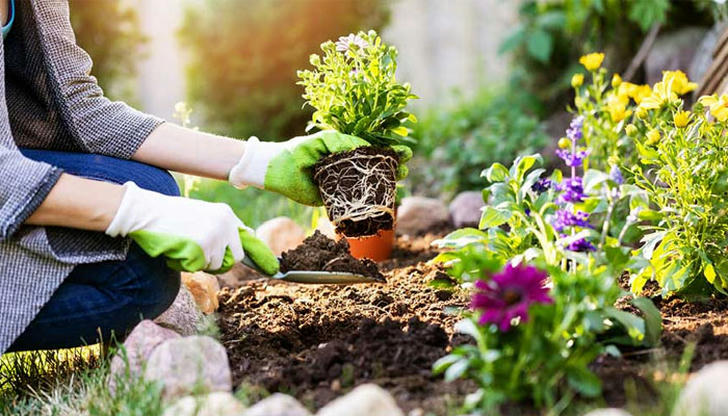
Gardening requires patience, but many people become frustrated when plants do not change overnight. Slow growth can lead some gardeners to constantly move plants, add new products, or change their routines too often.
Healthy gardens are usually built through consistency. Plants need time to adjust, grow roots, and respond to better care. Instead of making many changes at once, focus on improving basic habits like watering, sunlight, soil, and maintenance.
A healthy garden does not require perfect skills. Often, the biggest improvements come from noticing small mistakes and making simple changes. Check your gardening habits, and your plants may be closer to thriving than you think.