
Spring Planting Guide: What to Sow and Grow in March, April, and May
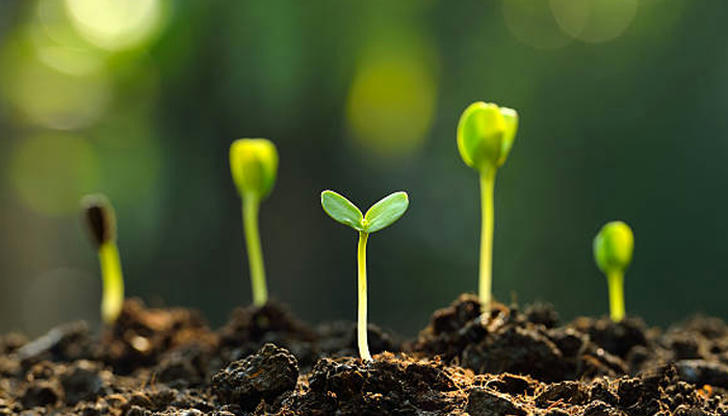
There's nothing quite like the feeling of early spring in the garden --- the air smells of damp soil, tiny shoots push through the frost, and sunlight finally lingers past the evening.
After months of dormancy, the earth feels ready to wake up again.
Spring is more than just a season; it's nature's reset button. It's when gardeners of every level --- from first-timers to seasoned growers --- feel that irresistible urge to dig, plant, and nurture.
Whether your goal is a bed full of bright flowers or a harvest of fresh vegetables and herbs, early preparation makes all the difference.
In this guide, you'll discover what to sow and grow through March, April, and May --- plus how to prepare your garden so it thrives well into summer.
1. Preparing Your Garden for Spring Planting
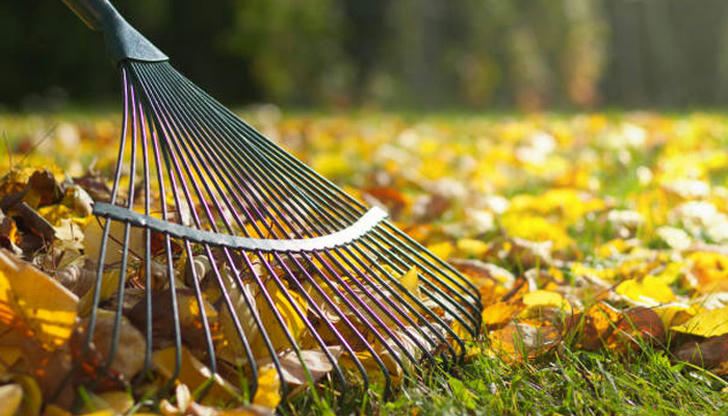
Before you reach for the seed packets, your garden needs a little spring cleaning.
Start by clearing away fallen leaves, branches, and old mulch left from winter. Prune back any dead or damaged stems to give new growth room to breathe.
Next, turn your attention to the soil. Winter can leave it compacted, so use a fork or tiller to loosen it gently. Mix in compost or organic fertilizer to restore nutrients and improve structure --- this creates the ideal home for young roots.
Finally, check your local frost dates. Even a single cold snap can undo weeks of effort. Planning your planting schedule around these dates helps ensure seedlings don't get caught by surprise.
2. What to Plant in March --- Early Starters
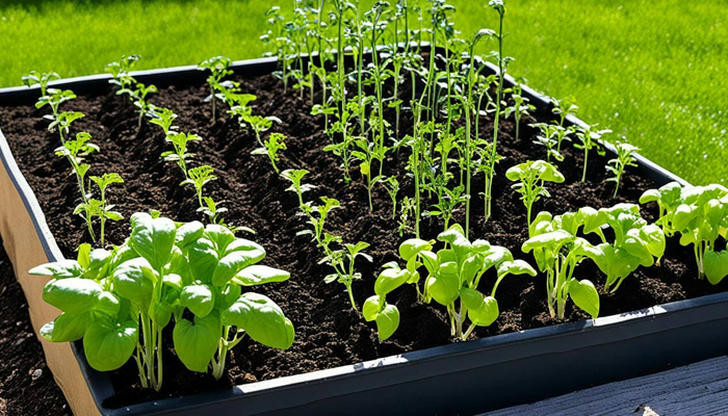
In March, the soil may still feel chilly, but don't let that stop you --- it's the perfect time to start your cool-weather crops. These early risers love mild temperatures and can handle light frost.
Vegetables:
Lettuce, spinach, kale, peas, carrots, and radishes all thrive now. Broccoli and cabbage seedlings can also go outdoors once hardened off.
Herbs:
Start parsley, chives, and cilantro. They germinate well in cooler soil and grow steadily through early spring.
Flowers:
Add color with hardy blooms like pansies, violas, sweet peas, and snapdragons.
If you live in a colder region, start tender crops like tomatoes or peppers indoors near a sunny window or under grow lights. By the time the frost passes, they'll be strong enough to transplant.
3. What to Plant in April --- Expanding the Garden
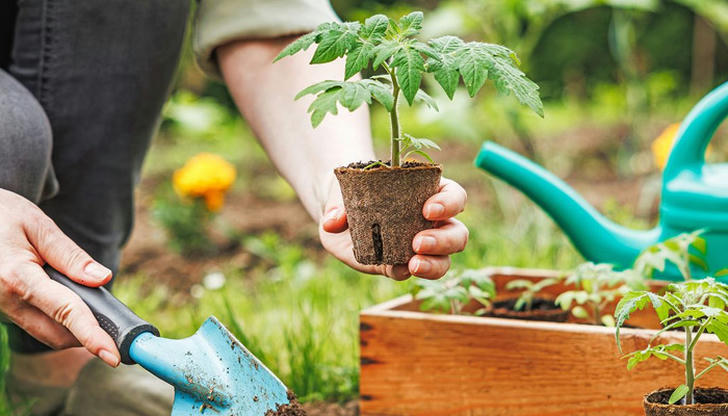
April is when your garden starts to come alive.
As the days grow warmer and the soil softens, it's time to expand your planting variety.
Vegetables:
Beets, potatoes, onions, swiss chard, and cauliflower are ready to go. If you've been growing seedlings indoors, harden them off by gradually exposing them to outdoor air before transplanting.
Herbs:
Basil and dill can begin in containers or protected beds.
Flowers:
Bright annuals like marigolds, petunias, and zinnias bring a cheerful splash of color.
This is also the perfect time to thin crowded seedlings, stake young plants early, and set up simple pest barriers --- catching problems now keeps summer maintenance minimal.
4. What to Plant in May --- The Peak of Spring
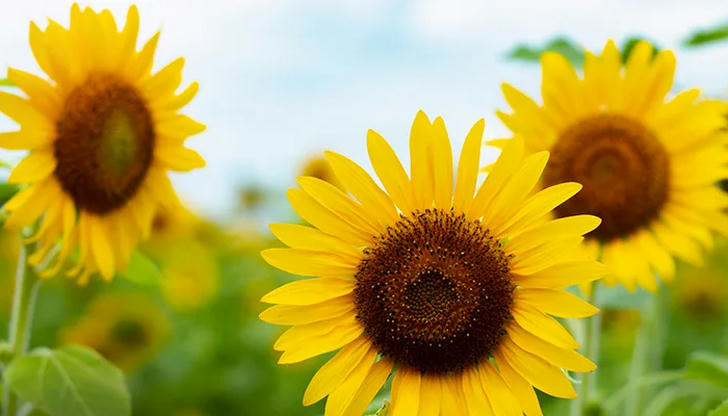
By May, your garden hits full stride. Temperatures rise, days lengthen, and frost risk is nearly gone. This is when you can finally plant your warm-weather crops without worry.
Vegetables:
Tomatoes, peppers, corn, beans, squash, and cucumbers thrive in these conditions. Space them well and mulch around the base to retain moisture and suppress weeds.
Herbs:
Rosemary, oregano, thyme, and mint love the warmth. For invasive varieties like mint, use containers to keep them contained.
Flowers:
Sunflowers, dahlias, begonias, and impatiens add summer-ready color.
Water deeply in the mornings, feed every few weeks with a balanced fertilizer, and watch your garden burst into life.
By the end of May, you'll have a garden that's not just planted --- it's thriving, ready to reward your patience through the months ahead.
5. Bonus: Quick Tips for a Thriving Spring Garden
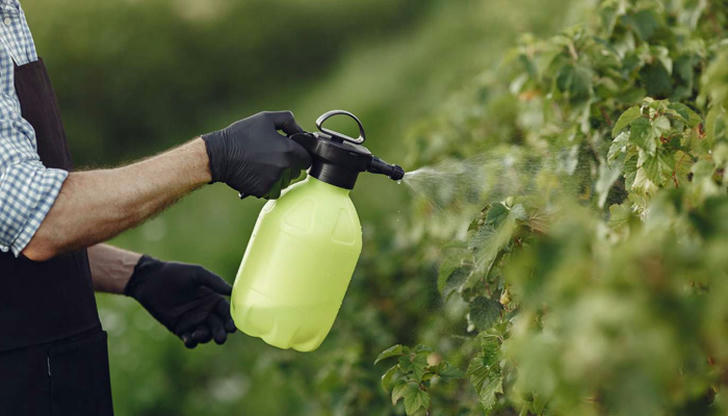
By now, your beds are full and the first shoots are pushing through the soil --- but spring success isn't just about what you plant, it's how you care for it.
A few simple habits can make all the difference between an average garden and one that truly flourishes.
Water deeply, not often.
Shallow watering encourages weak roots. Early morning deep soaks help plants build strength and handle warmer weather later on.Feed gently but regularly.
Use an all-purpose organic fertilizer every 2--3 weeks, especially for heavy feeders like tomatoes and squash. Compost tea is an excellent natural booster.Mulch early.
A layer of straw, bark chips, or dried leaves keeps moisture in and weeds out. It also keeps the soil temperature steady on cool nights.Watch for pests early.
Aphids, slugs, and snails appear as soon as temperatures rise. Try companion planting --- marigolds and basil naturally repel unwanted visitors.Keep notes.
Record what thrives, what struggles, and when you planted. Your future self will thank you next spring.
6. Staying Ahead of the Seasons
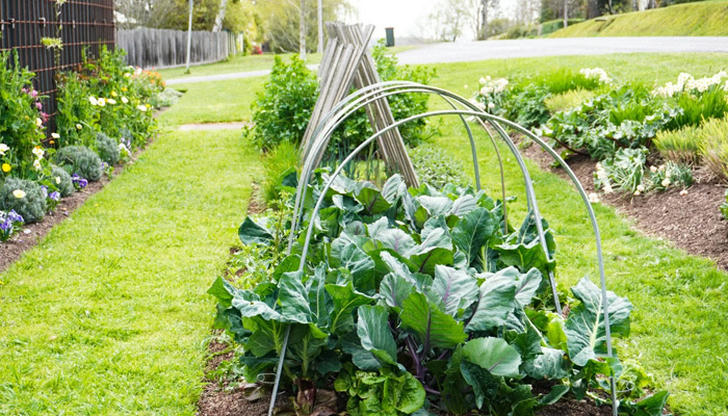
Spring doesn't last forever --- but what you do now determines how healthy your summer garden will be.
As your plants grow taller, continue pruning dead leaves and staking fragile stems. If you started cool-weather vegetables like lettuce and spinach, consider planting a second round in shaded areas for a steady harvest.
For gardeners who love experimenting, late spring is also the perfect time to start summer herbs and flowers indoors for transplanting later. Think of it as giving yourself a head start on the next season.
If your region gets hot quickly, focus on soil moisture management --- mulch generously, shade young plants when necessary, and adjust watering frequency as the temperature climbs.
Each small action builds momentum toward a vibrant, productive summer garden.
Every gardener knows --- planting in spring is more than a task, it's a ritual of renewal.
You loosen the soil, press the seeds in, and wait --- trusting that nature will do the rest.
Whether you're nurturing your very first seedlings or fine-tuning a well-loved backyard patch, each season brings new lessons. The key is patience, curiosity, and a willingness to get a little dirt under your nails.
By the time summer arrives, your March seeds and May blooms will remind you of one simple truth: growth always begins with a single small step.