
New Gardener's Essential Guide to Building Your Backyard Vegetable Garden from Scratch

Starting a backyard vegetable garden can feel both exciting and a little intimidating for beginners. Many people imagine harvesting fresh tomatoes, crisp lettuce, and flavorful herbs from their own yard, but success usually comes from a few practical steps taken early on. This guide outlines simple steps to help new gardeners create a backyard vegetable garden and enjoy fresh, homegrown produce.
1. Choose the Right Location and Plan Wisely
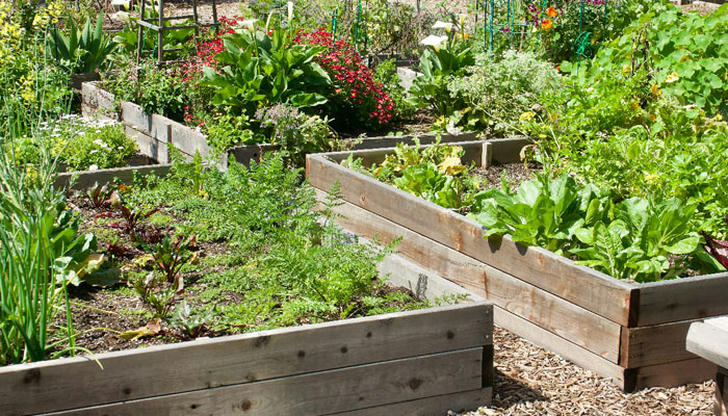
Location plays a major role in how well your garden grows. Most vegetables need six to eight hours of direct sunlight each day, so look for a sunny area that is not shaded by buildings, fences, or large trees.
A flat area is often easier to maintain than a sloped one. Good drainage is also essential. If rainwater tends to collect in one spot, plants may suffer from root problems or disease. In areas with poor drainage, raised beds can help improve soil conditions and make gardening easier.
Accessibility is another important factor. Try to place your garden near a water source so watering is convenient. Clear walking paths between planting areas also help prevent soil from becoming compacted.
Many beginners find that starting small works best. A 4×8-foot raised bed or a small garden plot is easier to manage and allows new gardeners to learn basic techniques without becoming overwhelmed.
2. Building a Strong Foundation for Growth
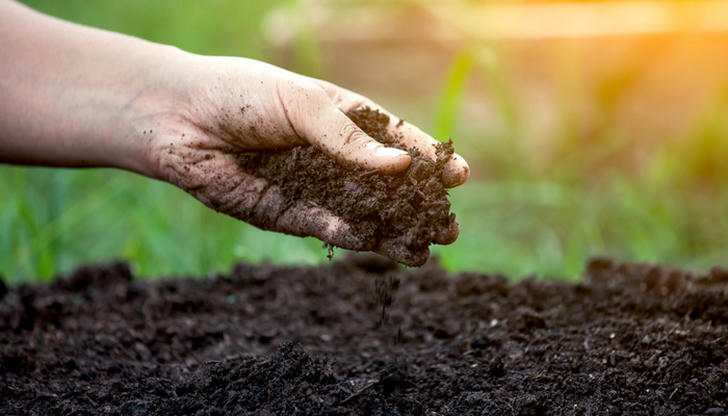
Healthy soil is the backbone of a successful vegetable garden. Plants rely on soil for nutrients, moisture, and root support, so preparing the soil properly is one of the most important steps.
Before planting, consider testing the soil to check its pH level and nutrient balance. Soil testing kits can help identify whether the soil needs additional nutrients or adjustments.
Adding organic matter such as compost is one of the easiest ways to improve soil quality. Compost increases fertility, improves soil structure, and helps the soil hold moisture without becoming overly wet.
Many gardeners aim for a sandy loam texture, which drains well but still holds enough water for plant roots. Mixing compost into the top layer of soil helps create this balanced structure and supports healthy plant growth throughout the season.
3. Selecting Beginner-Friendly Vegetables
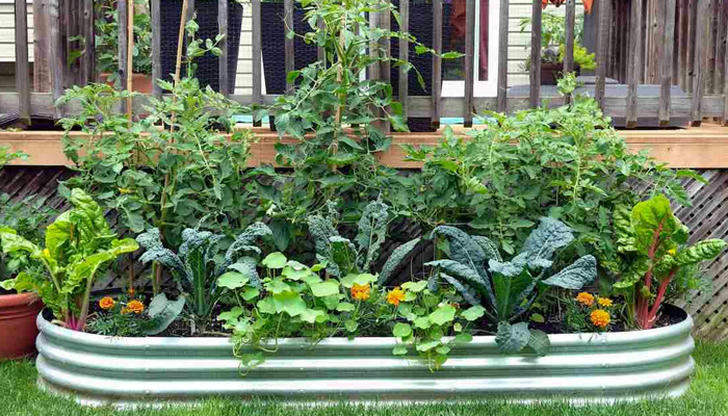
Choosing the right crops can make gardening much easier for beginners. Some vegetables grow quickly, tolerate small mistakes, and produce reliable harvests.
Good beginner choices include lettuce, radishes, green beans, tomatoes, zucchini, and peppers. These vegetables tend to grow well in many regions and can provide a satisfying harvest.
Some crops, such as radishes and beans, can be directly planted from seeds into the soil. Others, including tomatoes and peppers, often grow better when started as small seedlings from a nursery.
It is also helpful to grow vegetables that your household already enjoys eating. This ensures that the harvest will be used and appreciated.
Adding companion flowers like marigolds can also benefit the garden. These flowers attract helpful insects and may discourage certain pests naturally.
4. Aligning with Climate and Crop Needs
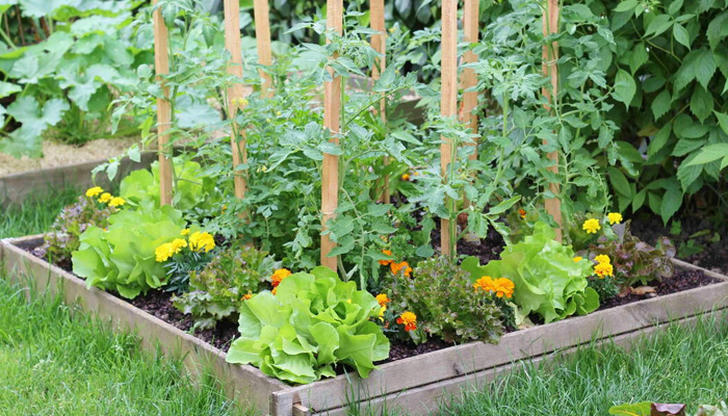
Understanding your local climate helps determine when to plant different vegetables. One useful guideline is the average last frost date in spring and the first frost date in fall.
Cool-season vegetables such as lettuce, peas, and broccoli grow best in mild temperatures and can often be planted early in the season. Warm-season vegetables like tomatoes, peppers, and zucchini should be planted after the last frost when the soil begins to warm.
Garden layout also affects plant growth. Taller plants should be placed on the north side of the garden so they do not shade smaller crops. This simple arrangement ensures that all plants receive adequate sunlight.
Another useful technique is staggered planting, where crops are planted every few weeks rather than all at once. This spreads out the harvest and prevents large amounts of produce from ripening at the same time.
5. Watering and Basic Garden Care
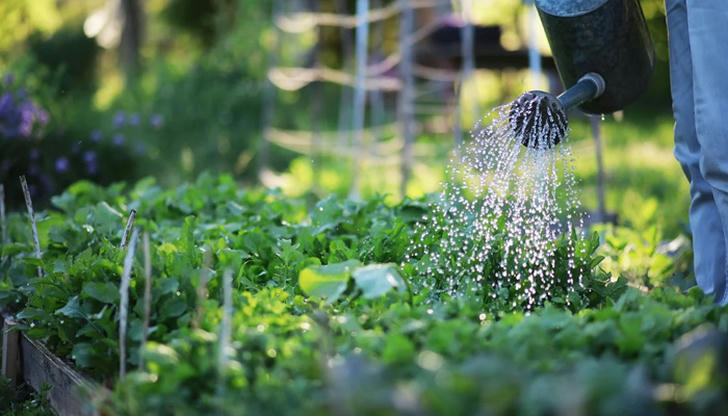
Water is essential for plant health. Most vegetable gardens require about one inch of water per week, including rainfall.
Watering early in the morning is usually the best option. This allows plants to absorb moisture before temperatures rise during the day. Morning watering also reduces the chance of fungal diseases that can occur when plants remain wet overnight.
Applying a layer of mulch around plants can help retain moisture, regulate soil temperature, and reduce weed growth.
Regular garden care should also include removing weeds, checking plants for pests, and trimming damaged leaves. Small maintenance tasks performed regularly can prevent larger problems later.
6. Using Simple Gardening Tools
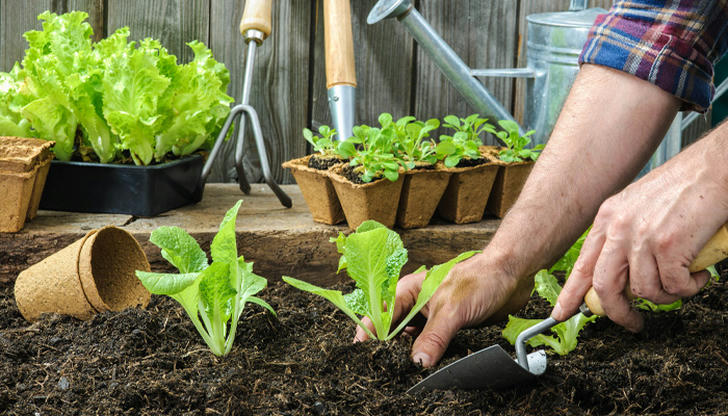
Starting a vegetable garden does not require expensive equipment. A few basic tools can handle most beginner gardening tasks.
Essential tools include:
Hand trowel for planting and digging small holes
Garden gloves for protecting hands
Watering can or hose for watering plants
Garden rake for leveling soil and clearing debris
Pruning shears for trimming plants
These tools help with planting, maintenance, and harvesting. As gardening skills improve, additional tools may become useful, but these basic items are enough to get started.
7. Common Beginner Mistakes and How to Avoid Them
Many beginner gardeners encounter similar challenges. One common mistake is planting too many vegetables at once, which can make the garden difficult to maintain.
Another mistake is choosing plants that require advanced care. Beginners often find greater success with simple, fast-growing crops.
Overwatering is also a frequent issue. While vegetables need regular moisture, soil that stays constantly wet can damage plant roots. Checking soil moisture before watering can help maintain the right balance.
Some gardeners also forget the importance of sunlight. Vegetables planted in shaded areas may grow slowly and produce fewer vegetables.
Finally, regular harvesting is important. Many vegetables produce more when harvested frequently, so picking crops at the right time encourages continued growth.