
Is Your Garden Ready for Winter? Essential Plant Care Tips
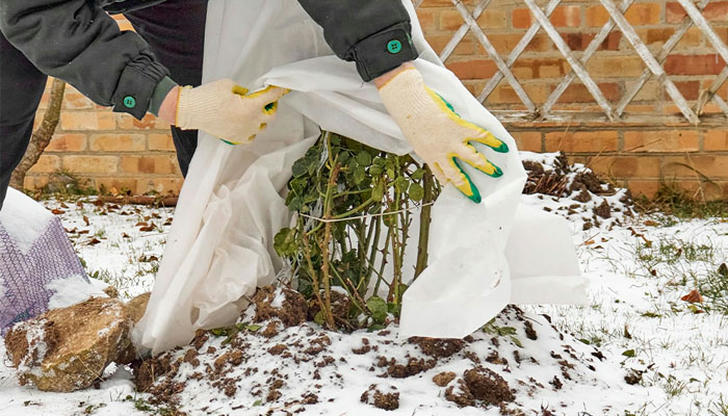
Winter can be tough on gardens. Freezing temperatures, strong winds, and changing soil conditions can leave plants struggling to survive. But cold weather doesn't mean gardening has to stop. With a few practical adjustments, you can protect vulnerable plants, maintain healthier soil, and prepare your garden for spring. These simple winter gardening tips will help keep your outdoor space in good condition throughout the colder months.
1. Understand Your Winter Climate
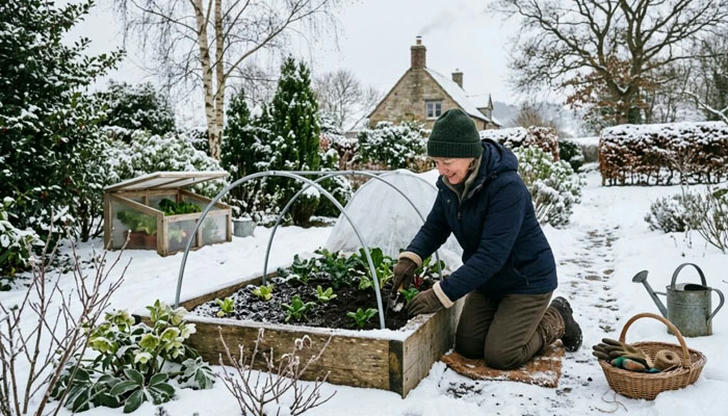
Winter gardening starts with understanding your local weather.
A garden in Florida faces very different challenges from one in Minnesota. Some regions experience occasional frost, while others deal with months of freezing temperatures and snow.
Check your USDA Plant Hardiness Zone to understand which perennial plants are likely to survive local winter conditions. However, remember that hardiness zones don't predict every cold snap.
Pay attention to local frost warnings, especially when temperatures are expected to drop suddenly.
Quick tip: Keep a simple record of unusually cold nights. It can help you identify which plants need extra protection next winter.
2. Protect Plants From Frost
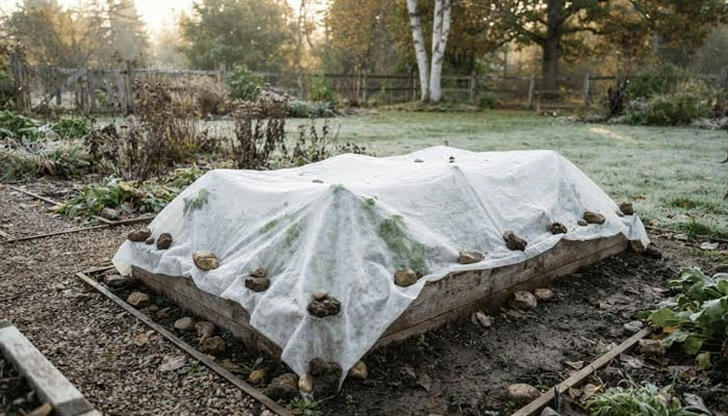
Frost can damage tender leaves, flowers, and young plants, sometimes overnight.
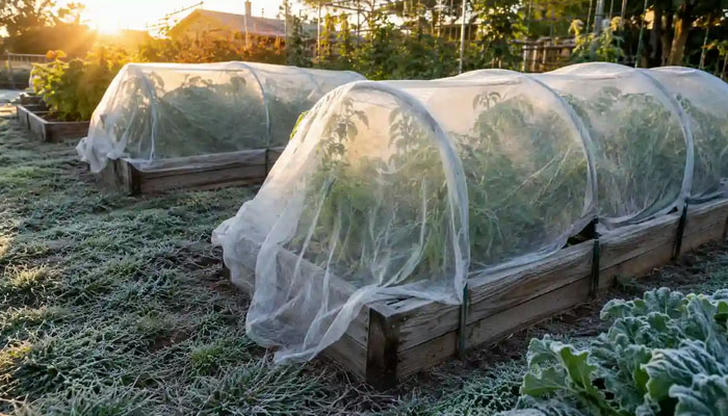
One of the easiest solutions is using frost cloth or lightweight garden fabric. These materials help reduce heat loss while allowing some airflow.
Cover vulnerable plants before temperatures drop, preferably using supports to keep the fabric from pressing against delicate branches.
Secure the edges to help retain warmth near the ground.
For temporary coverings that aren't designed to remain in place, remove or ventilate them when daytime temperatures rise.
Avoid placing ordinary plastic directly against leaves, as it can contribute to cold damage.
3. Add Mulch for Insulation
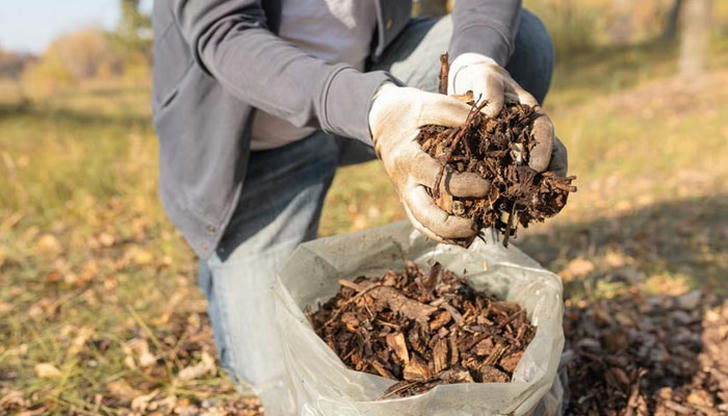
Think of mulch as a protective blanket for your garden soil.
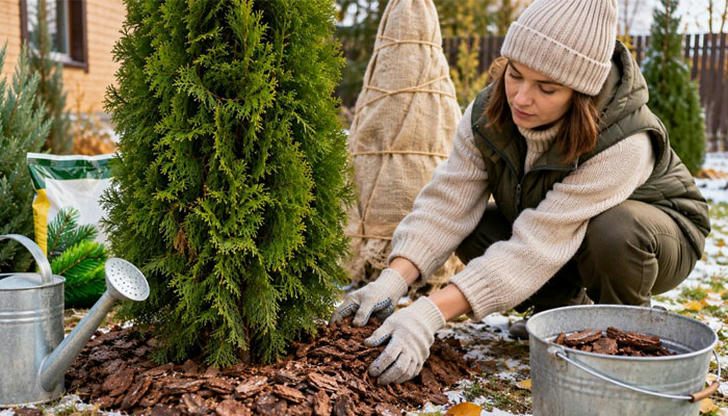
Organic materials such as shredded leaves, straw, and wood chips help moderate soil temperature changes and reduce moisture loss.
For many established garden beds, a layer approximately two to three inches thick works well, although the ideal depth depends on the plants and material.
Spread mulch evenly around vulnerable plants, but avoid piling it directly against stems or tree trunks.
Excess mulch around plant crowns can trap moisture and encourage decay.
Gardening tip: Fallen leaves can make useful winter mulch when they're free from significant disease problems. Shredding them helps prevent thick, matted layers.
4. Adjust Your Watering Schedule
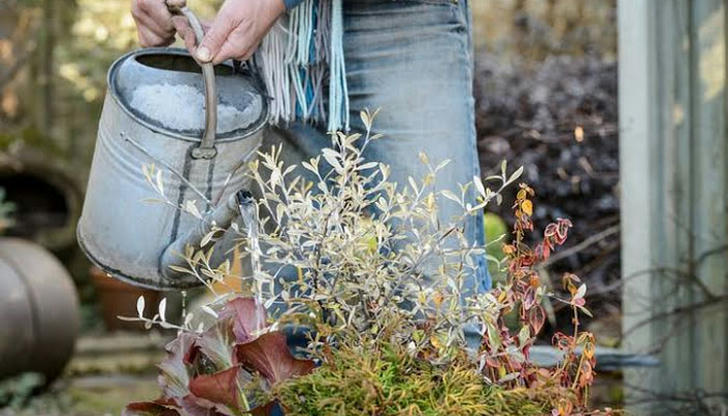
One common winter gardening mistake is assuming plants never need water during cold weather.
Although many plants grow more slowly in winter, their roots may still require moisture.
Evergreen shrubs, newly planted trees, and container plants can be particularly vulnerable to drying out.
Check soil moisture before watering rather than following a fixed summer schedule.
When watering is necessary, choose a milder day when the ground isn't frozen.
Avoid overwatering, especially in poorly drained soil. Excess moisture can damage roots and create additional problems during freezing conditions.
5. Protect Potted Plants
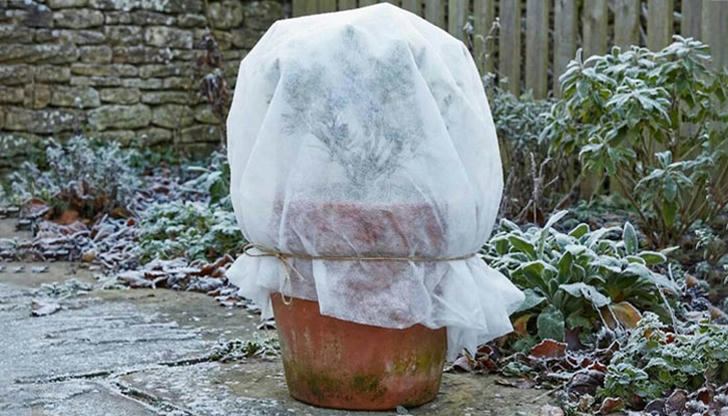
Container plants face a special challenge in winter: their roots are more exposed to cold temperatures.
Unlike plants growing in the ground, potted plants have less surrounding soil to insulate their roots.
Move tender containers into a suitable sheltered location before severe cold arrives.
Depending on the plant, this might be a greenhouse, enclosed porch, or bright indoor space.
For hardy outdoor containers, grouping pots together and insulating them can provide additional protection.
Make sure drainage holes remain open, since trapped water can freeze and damage both roots and containers.
6. Be Careful With Winter Pruning
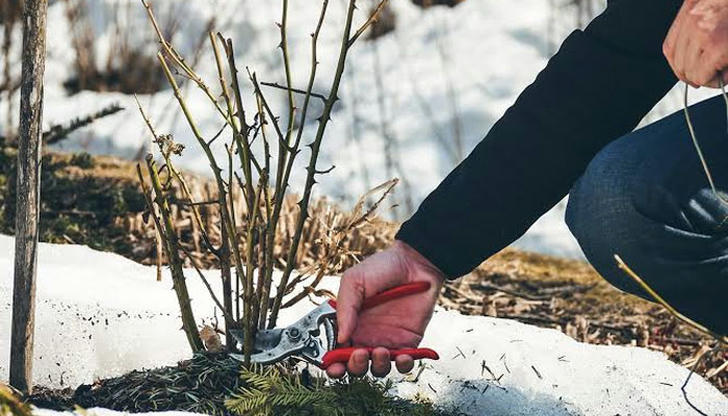
Winter may seem like the perfect time to cut everything back, but not all plants benefit from heavy pruning.
Some trees and shrubs can be pruned during dormancy. Others, especially spring-flowering shrubs, may lose their flower buds if trimmed at the wrong time. Focus on removing clearly dead, damaged, or diseased branches when appropriate. Avoid unnecessary heavy pruning of cold-sensitive plants before severe weather. Always research the needs of individual plant species before making major cuts. A pair of clean, sharp pruning shears can make maintenance easier while reducing unnecessary damage to branches.
7. Shield Plants From Cold Winds
Freezing temperatures aren't the only winter threat.
Strong, dry winds can remove moisture from evergreen foliage, particularly when frozen soil prevents roots from replacing lost water.
This condition, often called winter desiccation, may cause browning or damaged leaves.
Temporary burlap screens can help protect exposed shrubs from prevailing winds.
Position the barrier to reduce direct wind exposure without wrapping unsuitable materials tightly around foliage.
Newly planted evergreens may benefit from extra attention because their root systems are still developing.
8. Watch for Pests and Diseases
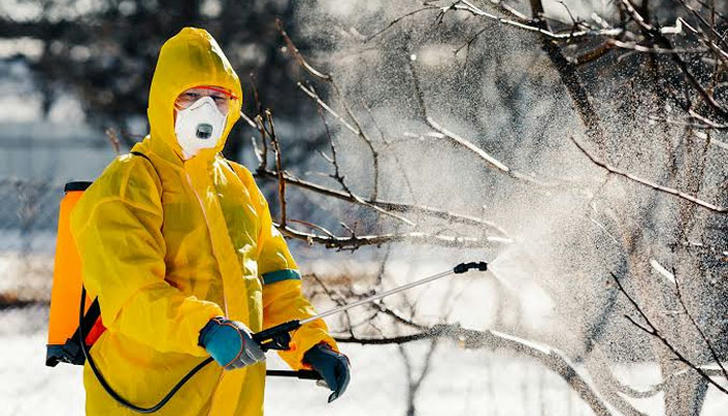
Garden pests don't always disappear when temperatures drop.
Rodents may chew bark near the base of young trees, while certain insects and plant diseases can survive winter in sheltered locations.
Inspect vulnerable plants occasionally for damaged bark, unusual spots, or signs of infestation.
Remove heavily diseased plant debris when appropriate, and avoid leaving unnecessary piles of material against tree trunks.
Protective tree guards can help reduce rodent damage, provided they're installed and maintained correctly.
Regular inspections allow you to notice problems before they become more serious.
9. Keep Garden Soil Healthy
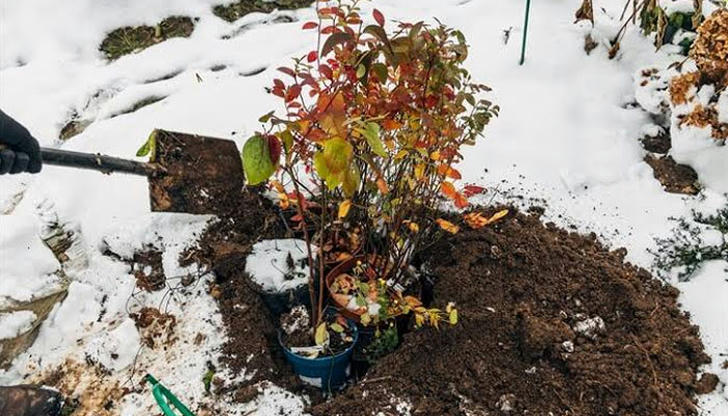
Healthy soil is the foundation of a successful garden, even during winter.
Adding compost to suitable garden beds can improve soil structure and contribute organic matter over time.
Mulch also helps protect exposed soil from erosion and temperature fluctuations.
However, avoid digging or walking repeatedly on saturated soil. Compaction can reduce the air spaces that plant roots need.
Frozen ground is generally best left undisturbed.
Winter can also be a convenient time to arrange a soil test and plan amendments for the upcoming growing season.
10. Get Ready for Spring
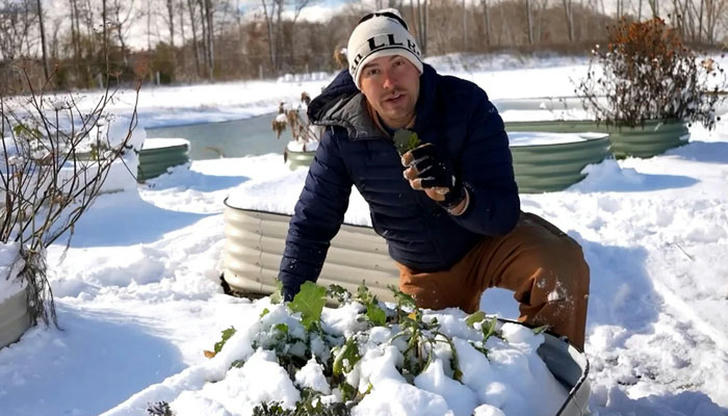
Winter provides an excellent opportunity to prepare for the next gardening season. Clean and inspect your gardening tools, organize leftover seeds, and make a list of plants you'd like to grow.
Check your area's average last frost date before scheduling spring planting. If you're planning a vegetable garden, consider which crops can tolerate cool weather and which require warmer soil.
You can also inspect irrigation hoses, raised beds, and garden supports for damage. A little preparation now can make spring gardening much more enjoyable.
11. Avoid Common Winter Mistakes
Even experienced gardeners sometimes overlook simple winter care practices. Here are several mistakes worth avoiding:
- Overwatering: Check soil moisture before adding water.
- Ignoring frost warnings: Protect sensitive plants before cold weather arrives.
- Using too much mulch: Keep mulch away from stems and trunks.
- Pruning at the wrong time: Follow plant-specific pruning recommendations.
- Forgetting containers: Monitor exposed roots and drainage.
- Walking on wet soil: Reduce unnecessary compaction.
The goal isn't to keep every plant growing actively through winter. It's to provide the conditions each plant needs to survive until warmer weather returns.
12. Final Thoughts
Keeping your garden healthy during winter doesn't require complicated techniques or expensive equipment. Simple steps such as protecting plants from frost, adjusting watering habits, adding mulch, and monitoring vulnerable containers can make a meaningful difference.
Every garden is different, so choose winter care methods that suit your local climate and plant varieties.
Before the next cold spell arrives, take a walk through your garden and identify areas needing attention. A little care today can help create a healthier, more beautiful garden when spring returns.