
Don't Let These Sneaky Bugs Move In—7 Houseplant Pests to Watch This Summer
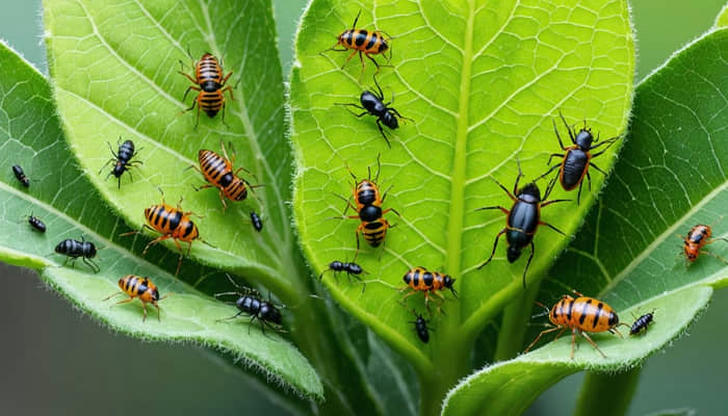
Your houseplants may be living their best life this summer with all the sunlight and warmth—but guess what? So are the bugs. And not the good kind. While you're watering, misting, and lovingly rotating your monstera or pothos, there might be some tiny freeloaders setting up camp on your plants' leaves, stems, and roots.
Summer is prime time for houseplant pests to multiply fast and do serious damage if you're not paying attention. But don't worry—we've got you covered. Here are 7 common houseplant pests to watch for this summer, how to spot them early, and how to kick them out for good.
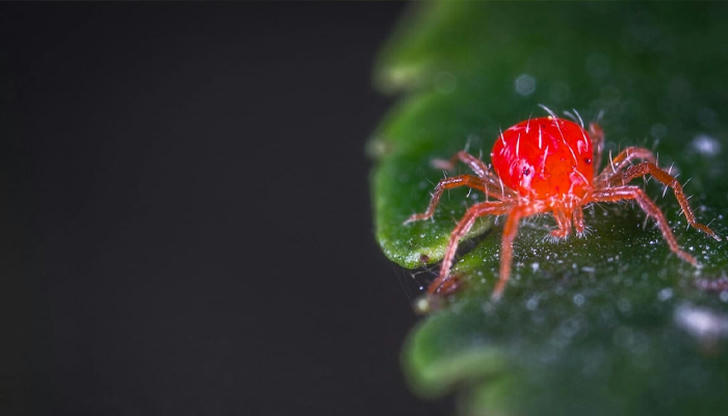
1. Spider Mites — The Nearly Invisible Invaders
What to look for:
Tiny reddish or yellowish dots moving on the undersides of leaves, plus fine, silky webbing.
The damage:
Spider mites suck the sap out of your plants, leaving behind speckled or faded leaves. If left alone, they can kill your plant—fast.
How to fight back:
Spray the plant with water to disrupt the webbing and knock them off. Wipe leaves with a mix of water and a few drops of dish soap or neem oil. Boost humidity—mites hate moisture.
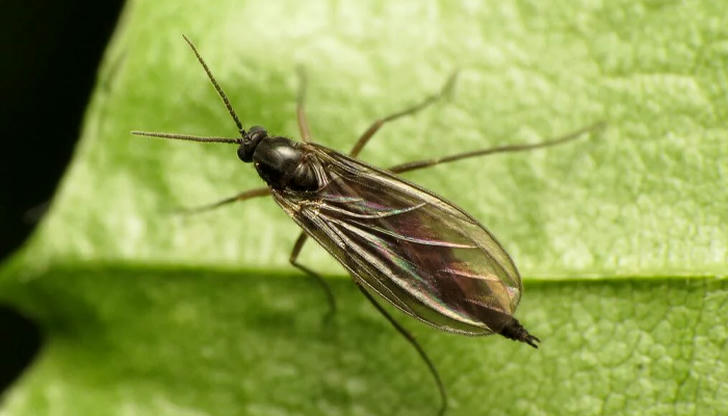
2. Fungus Gnats — The Flying Nuisance
What to look for:
Tiny black flies hovering around your plant's soil, especially after watering.
The damage:
Adult gnats are harmless but annoying. The real problem is their larvae, which feed on organic matter in the soil and can nibble on your plant's roots.
How to fight back:
Let the top inch of soil dry between waterings. Add a layer of sand on top of the soil. Sticky traps help with adults; hydrogen peroxide diluted in water (1:4 ratio) can kill larvae.
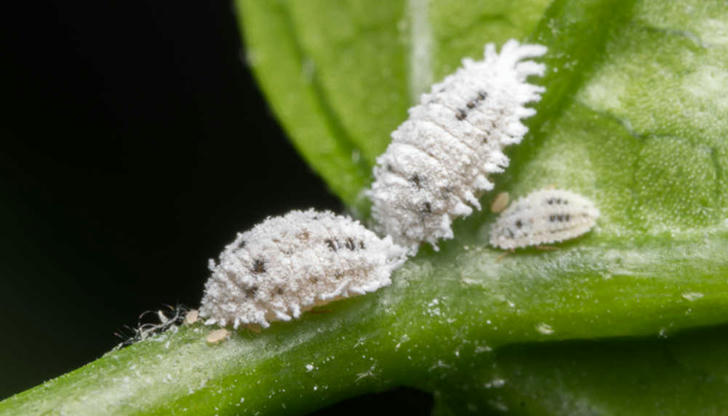
3. Mealybugs — The Fuzzy White Blobs
What to look for:
White cottony clusters in leaf joints or along stems.
The damage:
Mealybugs suck plant juices, leading to leaf yellowing, stunted growth, and sticky residue (aka "honeydew") that can invite mold.
How to fight back:
Dab them with a cotton swab dipped in rubbing alcohol. For larger infestations, spray with insecticidal soap or neem oil weekly until they're gone.
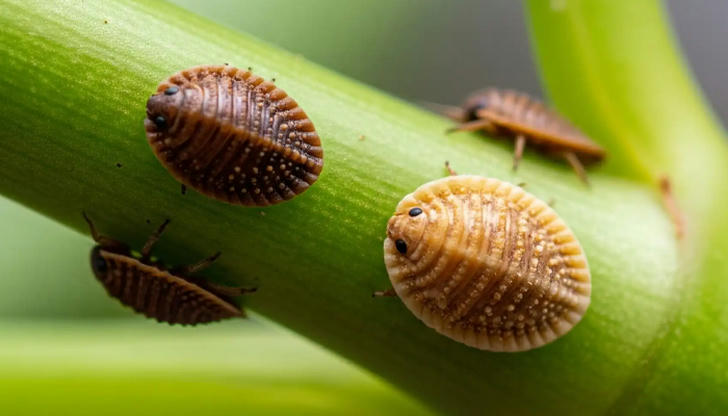
4. Scale Insects — The Tiny Shell-Wearers
What to look for:
Brown or tan bumps on stems and undersides of leaves that don't move. (They look like part of the plant—but they're not!)
The damage:
Like mealybugs, they suck sap and produce honeydew. Left unchecked, they can cause major damage and attract ants and mold.
How to fight back:
Scrape off by hand or with a toothbrush. Follow up with neem oil or horticultural oil. It may take a few treatments to fully clear them.
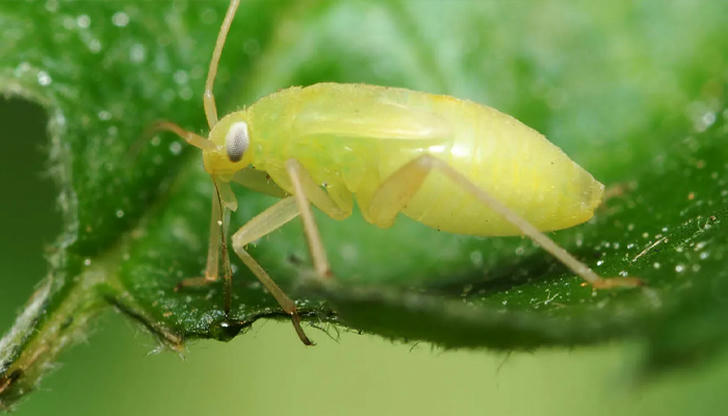
5. Aphids — The Leaf Curlers
What to look for:
Clusters of tiny green, yellow, black, or red bugs on new growth or flower buds.
The damage:
They feed on soft plant tissues and cause distorted or curled leaves. Like others, they excrete honeydew that leads to mold.
How to fight back:
Rinse them off with a strong spray of water. Treat with insecticidal soap or neem oil. Ladybugs (yes, really) are natural predators if you're growing plants outdoors.
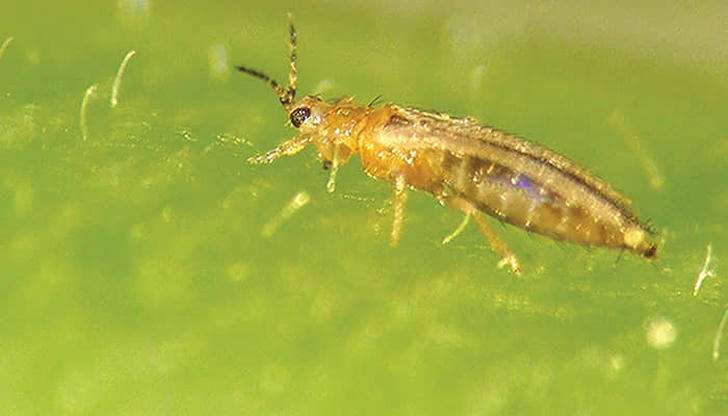
6. Thrips — The Stealthy Strippers
What to look for:
Silvery streaks or patches on leaves, along with black specks (frass) and distorted new growth.
The damage:
Thrips scrape at plant surfaces and suck the juices out, damaging flowers and foliage. They're small and fast, so they're often hard to spot until the damage is done.
How to fight back:
Use sticky traps to monitor activity. Prune heavily infested areas. Treat with neem oil or spinosad spray—thrips are stubborn and need repeat treatments.
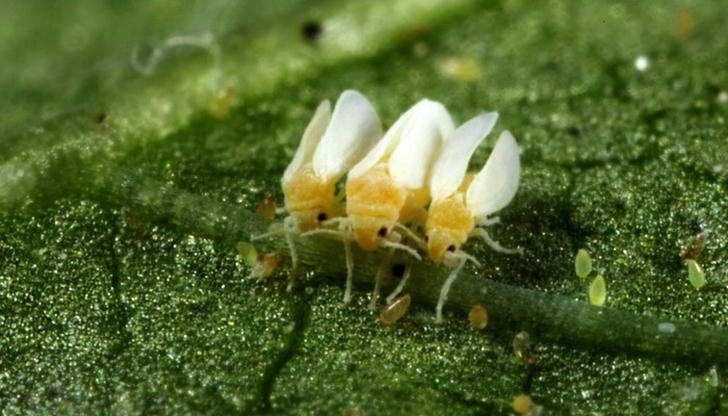
7. Whiteflies — The Leaf Suckers in Disguise
What to look for:
Tiny white, moth-like insects that scatter when you shake the plant. Eggs and larvae often hide on the undersides of leaves.
The damage:
They feed on plant sap, causing yellowing leaves and stunted growth. Their honeydew also attracts mold.
How to fight back:
Use yellow sticky traps. Spray leaves with insecticidal soap or neem oil. Remove heavily infested leaves to stop the spread.
Bonus Tip: Don't Bring Bugs In With New Plants
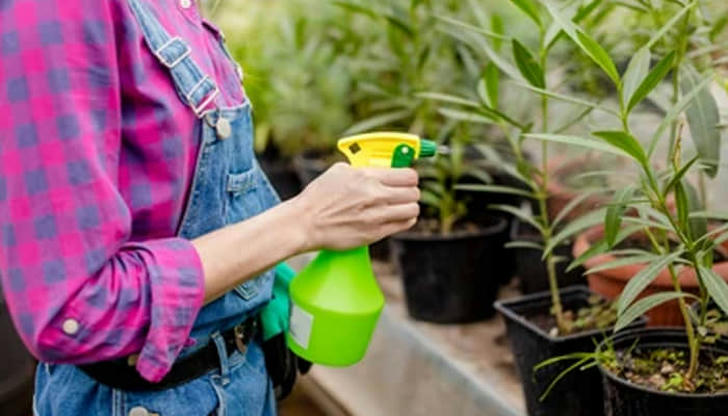
One of the most common ways pests get inside? You buy a new plant, and it's already infested. Always quarantine new plants for at least a week away from your other houseplants. Give them a close inspection—top to bottom, especially the undersides of leaves and the surface of the soil.
Preventative Care = Happy Plants
Fighting pests is much easier when you catch them early. Here are a few ways to keep your plant crew pest-free:
Inspect regularly: Get in the habit of checking your plants while watering. Look under leaves, along stems, and in the soil.
Clean your tools: Wipe down scissors, shears, and pots with rubbing alcohol.
Avoid overwatering: Wet soil is a breeding ground for fungus gnats and root rot.
Boost airflow: Good ventilation helps prevent infestations and keeps leaves dry.
Shower time: Give your plants a gentle rinse in the shower every few weeks to wash off dust—and any sneaky bugs.
Final Thoughts
Pests are annoying, but they don't have to be the end of your plant journey. With a little vigilance and some DIY treatments, you can keep your green buddies healthy and thriving all summer long. Remember: the sooner you spot them, the easier they are to evict.
So next time you admire your philodendron or fern, take a closer look. There might be more living on it than you think—but not for long if you're prepared.
Happy (bug-free) planting!