
9 Creative Ways to Protect Your Fruit Trees From Birds
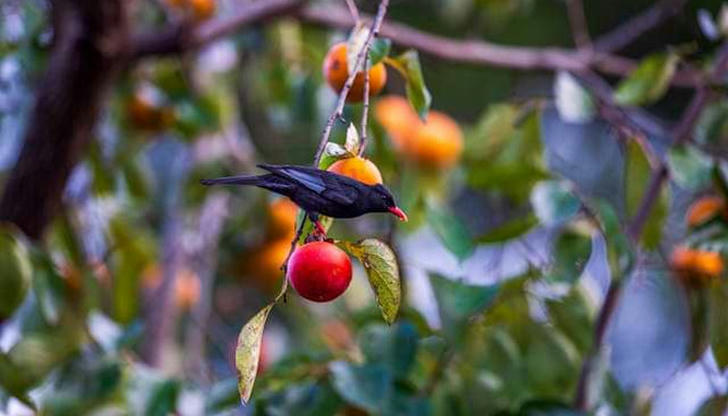
There's nothing more exciting than watching fruit finally ripen after months of watering, pruning, and waiting. Whether you're growing peaches, cherries, apples, figs, or blueberries, harvest season feels like the reward for all your hard work.
Unfortunately, birds often have the same idea. They can spot ripe fruit surprisingly quickly, and a tree that looked perfect one afternoon may be covered with peck marks the next morning.
The good news is that protecting your harvest doesn't have to involve harsh chemicals or harmful traps.
1. Cover Your Tree With Bird Netting
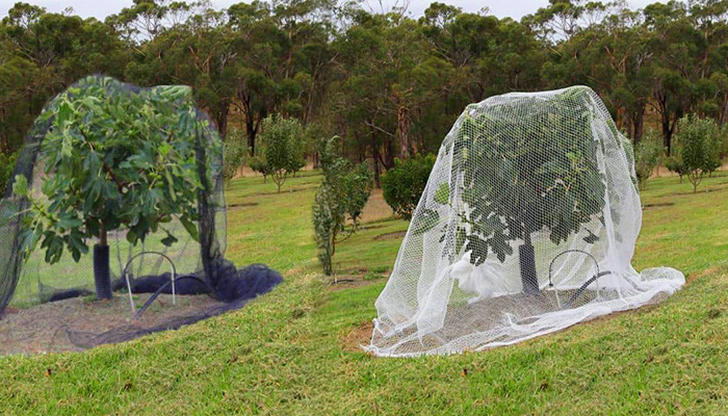
Bird netting is one of the most dependable ways to protect ripening fruit. Instead of trying to frighten birds away, it creates a simple barrier that keeps them from reaching your harvest.
For the best results, drape the net over the entire tree and secure it around the bottom so birds can't slip underneath. If the net rests directly against the fruit, determined birds may still peck through it, so using lightweight hoops or supports can help.
Choose fine-mesh netting whenever possible. It protects the fruit while reducing the chance of birds becoming tangled, and many nets can be folded away and reused for several growing seasons.
2. Hang Reflective Objects That Move
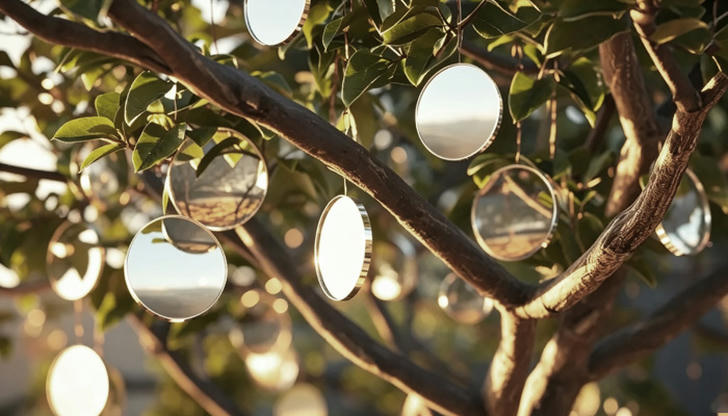
Birds dislike sudden flashes of light and unpredictable movement. That's why reflective scare tape, old CDs, aluminum pie plates, and mirrored ornaments are popular choices in home orchards.
Hang several reflective items throughout the tree rather than placing them all in one spot. As sunlight hits them from different angles, the moving flashes make birds less comfortable landing nearby.
To keep the effect working, move the decorations every week or two. Birds are smart, and anything that stays in the same place for too long eventually becomes part of the scenery.
3. Surprise Visitors With Motion-Activated Sprinklers
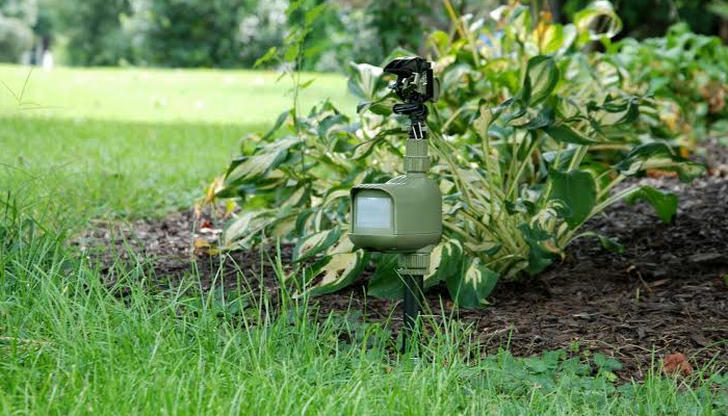
A quick burst of water is often enough to convince birds that your fruit tree isn't worth the effort. Motion-activated sprinklers detect movement and spray for just a few seconds before shutting off automatically.
Because the response is unpredictable, birds have a harder time getting used to it than they do with stationary scare devices. The sprinklers can also discourage squirrels, rabbits, and other garden visitors.
As a bonus, your plants receive a little extra watering. Just remember to switch the system off before walking through the garden if you don't want an unexpected shower.
4. Set Up a Decoy Feeding Area
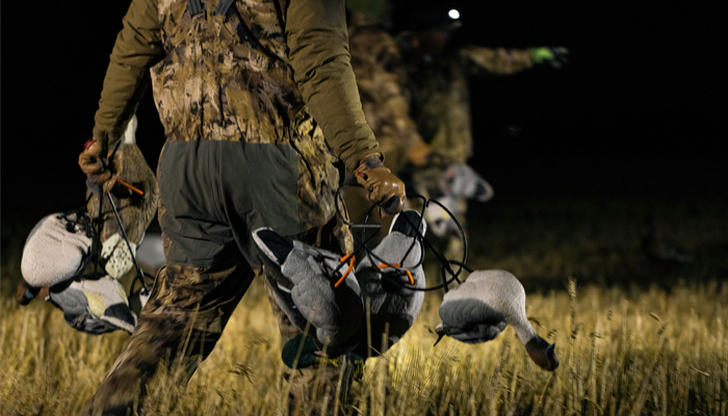
It may seem strange to attract birds when you're trying to keep them away, but offering food somewhere else can sometimes reduce pressure on your fruit trees.
Place a bird feeder or a shallow birdbath well away from your orchard. During hot weather, birds are often searching for water as much as food, so a reliable water source can make another area of the yard more appealing.
This method works best as part of a larger strategy rather than a standalone solution. The farther the feeding area is from your fruit trees, the better.
5. Protect Individual Fruits With Mesh Bags
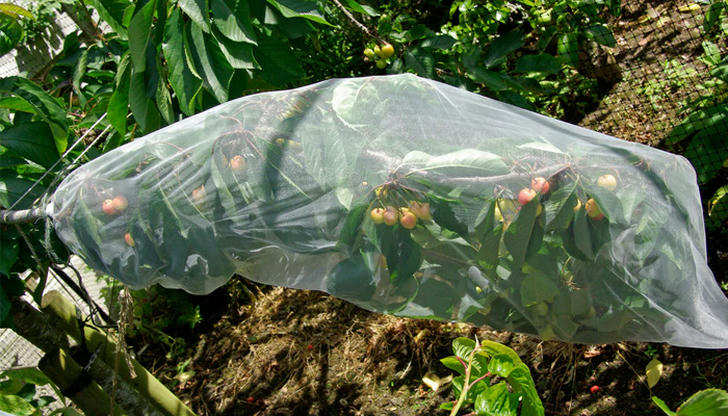
If you only have a few trees or a small backyard orchard, covering individual fruits can be surprisingly effective. Lightweight mesh or paper fruit bags allow sunlight and airflow while keeping birds away.
Many gardeners use them on peaches, apples, pears, grapes, and even mangoes. The bags can also help reduce damage from certain insects, giving you two benefits at once.
Although it takes a little time to cover each fruit cluster, the effort is often worthwhile when every piece of fruit counts.
6. Change Your Scare Tactics Regularly
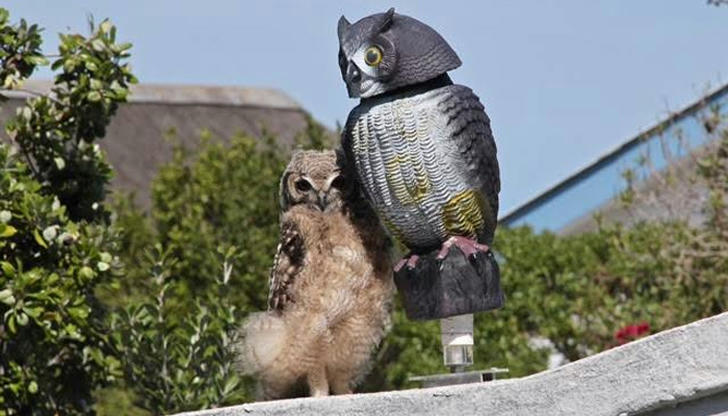
Birds learn quickly. A plastic owl or fake hawk may seem convincing for the first few days, but once birds realize it never moves, they often ignore it completely.
Instead of relying on one deterrent, rotate several throughout the season. Reflective tape, pinwheels, windsocks, wind chimes, and realistic predator decoys all work better when they're moved frequently.
Keeping the environment unpredictable makes birds less likely to settle in and treat your fruit tree as a regular dining spot.
7. Harvest Fruit a Little Earlier
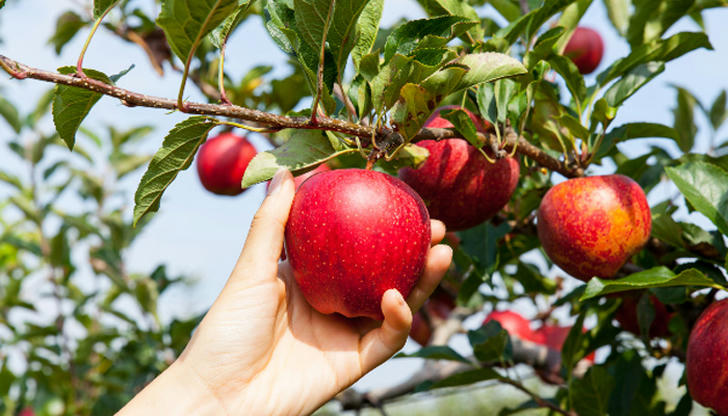
Many fruits continue ripening after they're picked. Harvesting just before full ripeness often means you'll enjoy excellent flavor while staying one step ahead of hungry birds.
This approach works particularly well for fruits like pears, peaches, plums, and some apple varieties. A little research on your specific fruit can help you choose the ideal picking time.
Checking your trees every day as harvest season approaches makes it much easier to collect fruit before birds do.
8. Plant Bird-Friendly Alternatives Nearby
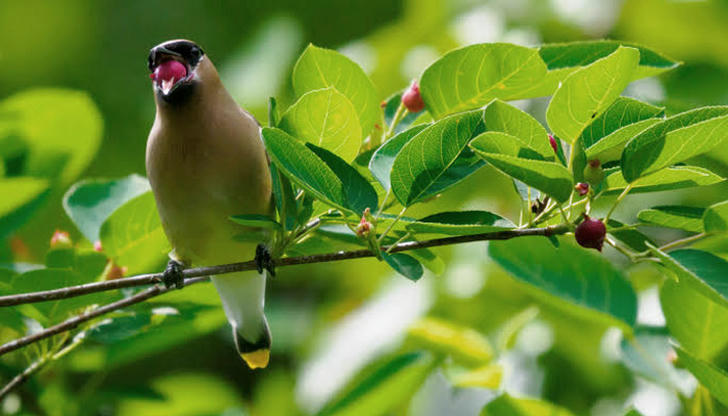
Instead of making your fruit tree the only attractive food source, consider planting shrubs that birds naturally enjoy. Species like mulberry, elderberry, or serviceberry can provide an alternative meal.
If these plants are located well away from your fruit trees, birds may spend more time feeding there instead of targeting your main harvest. It's not a guaranteed fix, but many gardeners find it reduces competition.
This approach also creates a more wildlife-friendly garden, supporting local birds without giving up all your homegrown fruit.
9. Combine Several Methods for Better Results
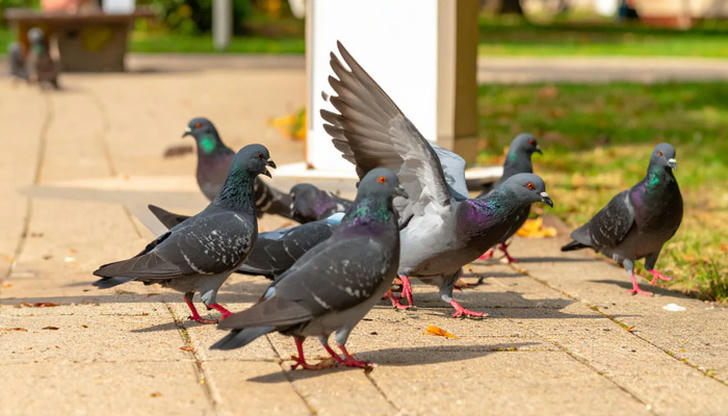
No single bird deterrent works perfectly in every garden. Weather, local bird species, and the amount of available food all affect how well a particular method performs.
The most successful gardeners usually combine several techniques. For example, they might use bird netting, hang reflective tape around the tree, install a motion sprinkler nearby, and harvest fruit slightly earlier than usual.
Layering different strategies makes your fruit trees much less inviting than easier food sources nearby. With a little planning, you can enjoy a healthier harvest while allowing birds to thrive elsewhere in your garden.