
6 Steps to Start a Container Garden on a Small Patio or Backyard
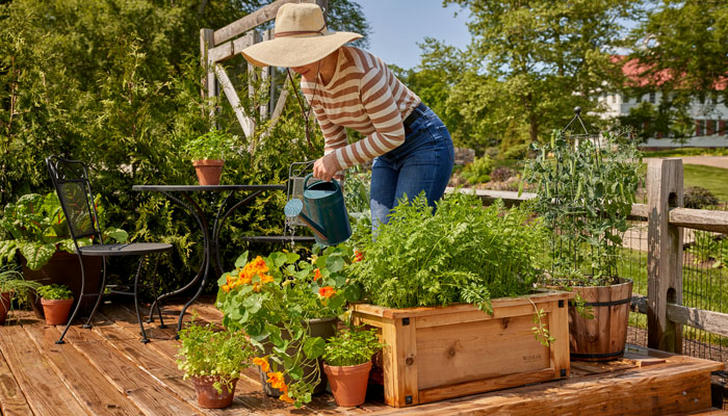
Container gardening is one of the easiest ways to grow plants when you do not have a large yard. A small patio, porch, balcony, or backyard corner can still become a colorful and useful garden with the right setup. The key is to plan before buying plants, choose containers carefully, and keep maintenance simple. Here is a step-by-step guide to building a container garden that works in a small outdoor space.
Step 1: Look at Your Space Before Buying Plants
Before choosing pots or plants, spend a little time studying the space you already have. A small patio garden should feel useful and comfortable, not crowded. Look at where people walk, where chairs or tables sit, and where you still need open space.
The most important thing to check is sunlight. Some plants need full sun for several hours a day, while others do better in partial shade. Watch the area in the morning, afternoon, and evening to see where the light falls. A sunny corner may be perfect for herbs and vegetables, while a shaded porch may be better for begonias, ferns, or other shade-friendly plants.
Also notice wind, nearby walls, railings, and heat from concrete or brick surfaces. Small patios can become hot quickly in summer, and containers may dry out faster than garden beds. Once you understand the space, decide what you want most: fresh herbs, a few vegetables, colorful flowers, privacy, or a relaxing green corner.
Step 2: Choose Containers That Fit the Space
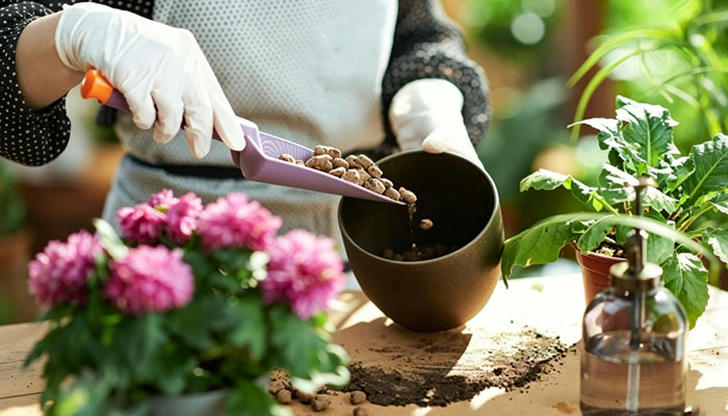
The right containers can make a small garden easier to manage. The first rule is simple: choose pots with drainage holes. Without drainage, extra water can sit around the roots and cause plants to decline. If you love a decorative pot without holes, use it as an outer cover and place a draining nursery pot inside it.
Container size should match the plant. Small herbs can grow in modest pots, but tomatoes, peppers, shrubs, and mixed plantings need larger containers with more room for roots. Larger pots also hold moisture longer, which can help during hot weather.
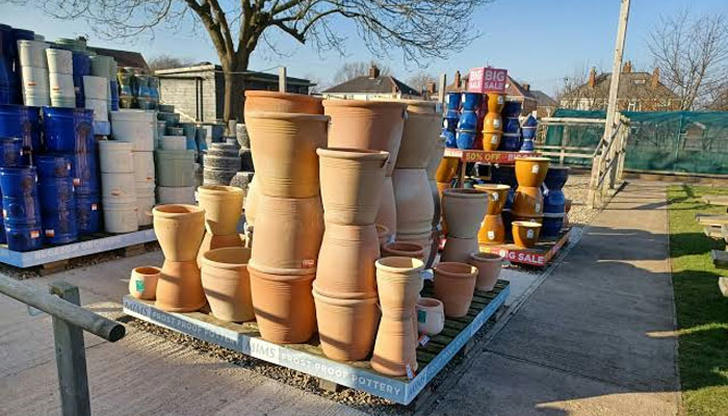
For balconies or upper decks, lightweight pots are usually safer and easier to move. Plastic and resin containers are affordable and light. Terracotta looks natural but dries out quickly. Ceramic pots can be beautiful but heavy. Wood planters feel warm and rustic, while metal containers can heat up in direct sun. In small spaces, repeating one or two container styles can make the whole garden look cleaner and more intentional.
Step 3: Start With the Right Potting Mix
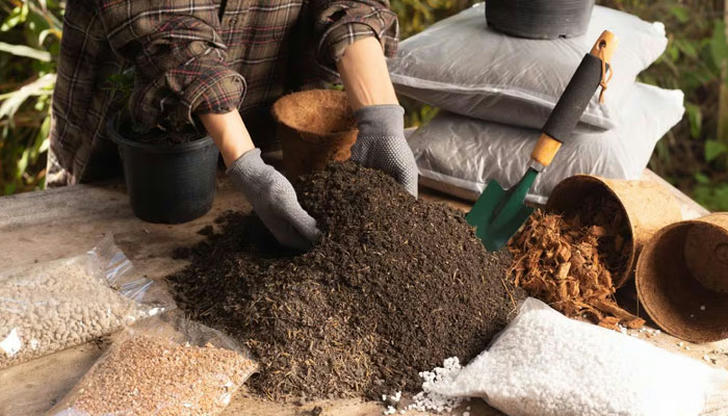
Good soil is the base of a successful container garden. Regular garden soil is usually too heavy for pots. It can compact, hold too much water, and make it harder for roots to breathe. A quality potting mix designed for containers is usually a better choice because it balances drainage, moisture retention, and root support.
If you are reusing old containers, check the soil before planting again. Old potting mix can become tired, compacted, or low in nutrients. You may need to replace it or refresh it with new mix. For plants that need extra feeding, compost or slow-release fertilizer can help, but do not overdo it. Too much fertilizer can stress plants or encourage weak growth.
For vegetables and herbs, choose a mix that supports healthy root growth and drains well. For flowers, a general container mix often works well. The goal is to give plants a light, healthy growing environment from the start.
Step 4: Pick Plants That Match Your Lifestyle
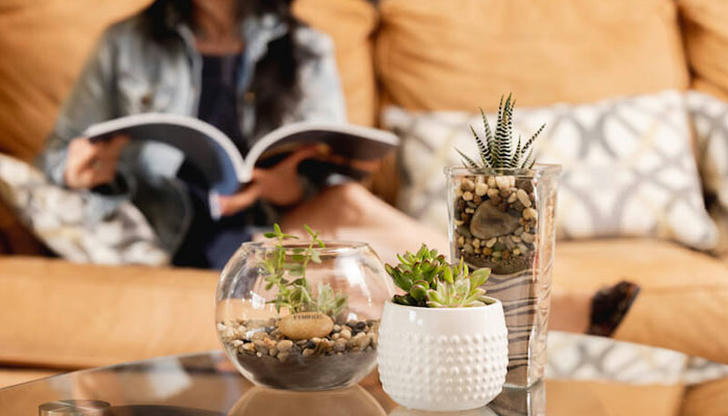
The best container garden is one you can actually maintain. If you cook often, herbs are a smart starting point. Basil, parsley, thyme, rosemary, chives, and mint can all grow well in containers. Mint should usually stay in its own pot because it spreads aggressively and can take over mixed plantings.
For edible gardening, consider compact vegetables. Lettuce, spinach, radishes, bush beans, peppers, and cherry tomatoes are popular choices for small spaces. Tomatoes and peppers usually need more sun and larger containers, while leafy greens can be easier for beginners.
Flowers are perfect if your main goal is color. Petunias, marigolds, pansies, geraniums, begonias, and zinnias can brighten a patio quickly. Choose sun-loving flowers for open spaces and shade-tolerant flowers for covered porches.
If privacy is the goal, use taller plants such as ornamental grasses, compact shrubs, or vines grown on a trellis. These can soften a fence, screen a seating area, or make a small patio feel more private. Whatever you choose, group plants with similar sunlight and water needs. Mixing a thirsty plant with a dry-loving plant in the same pot can make care harder.
Step 5: Use Height and Layout to Make the Garden Feel Bigger
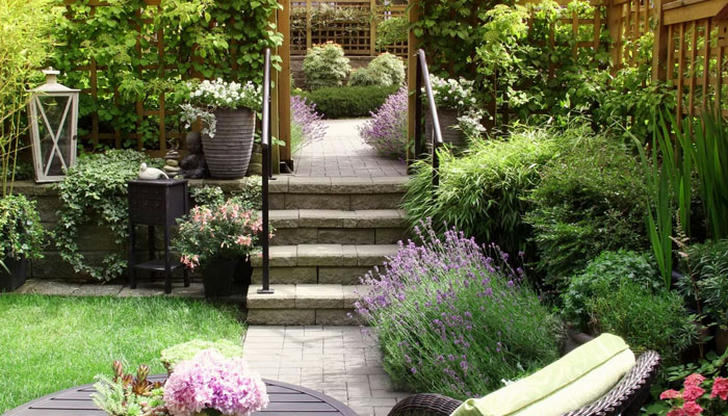
In a small patio or backyard, layout matters as much as plant choice. Instead of placing every pot flat on the ground, use height to create layers. Plant stands, shelves, wall planters, trellises, hanging baskets, and railing planters can help you grow more without taking up too much floor space.
Place taller plants toward the back or along edges. Medium plants can fill the middle, while trailing plants can spill over the front of pots or hanging baskets. This layered style makes the garden look fuller without feeling cluttered.
Grouping pots in threes or fives often looks more natural than lining up many small pots one by one. You can also repeat pot colors, materials, or plant types to make the space feel designed. For example, a few matching black planters with green herbs can look modern, while terracotta pots with flowers can feel warm and classic.
Keep heavy containers low for safety, especially on balconies or windy patios. Leave enough room to walk, water, prune, and harvest comfortably.
Step 6: Keep the Garden Easy to Maintain
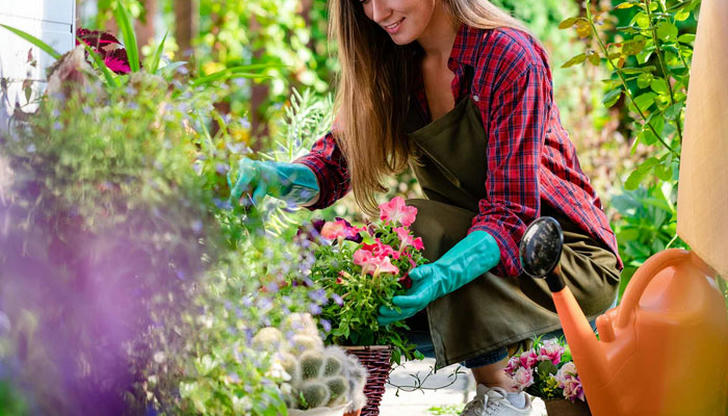
Containers need regular care because they dry out faster than plants in the ground. In hot weather, some pots may need water every day. Check the soil by touching the top inch. If it feels dry, it may be time to water. When watering, add enough so moisture drains from the bottom of the pot.
Avoid letting containers sit in standing water. This can damage roots and attract pests. If daily watering is hard to manage, self-watering containers can be useful, especially for herbs and vegetables. Adding a light layer of mulch on top of larger containers can also slow moisture loss.
Maintenance does not have to be complicated. Remove dead leaves, trim leggy growth, and refresh seasonal flowers when they fade. Watch for yellow leaves, wilting, or poor flowering, because these can signal watering, light, or soil problems.
Common mistakes include using pots without drainage, overcrowding plants, placing sun-loving plants in shade, and mixing plants with very different water needs. A simple, healthy container garden is usually better than a crowded one that becomes difficult to care for.
Conclusion
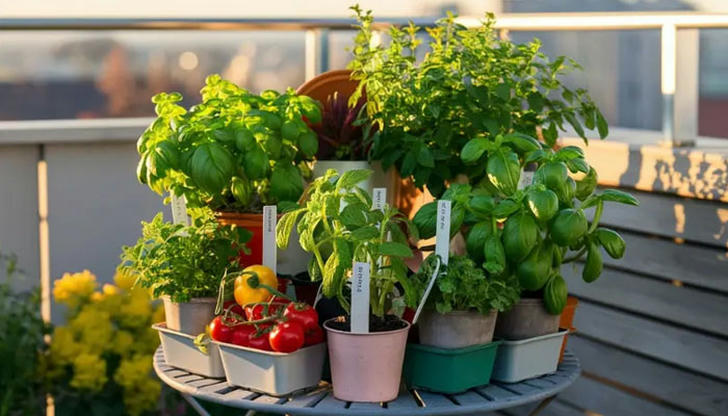
Container gardening makes it possible to grow flowers, herbs, vegetables, and greenery even in a small patio or backyard. Success starts with understanding your space, choosing the right containers, using quality potting mix, and picking plants that match your lifestyle. A smart layout can make the area feel larger, while simple maintenance keeps the garden healthy. With a little planning, even one sunny corner or narrow patio can become a colorful, useful, and relaxing outdoor garden.