
5 Easy, Expert-Backed Ways You Can Help Birds During Cold Weather
When winter sets in, most of us bundle up, turn on the heat, and stay indoors. Birds don't get that option. For many backyard and urban birds, cold weather isn't just uncomfortable---it can be life-threatening. Freezing temperatures make food scarce, water hard to find, and shelter even harder.
The good news? You don't need to be a wildlife expert or build anything fancy to make a real difference. Small, simple actions---many recommended by ornithologists and wildlife organizations---can dramatically improve a bird's chance of surviving winter.
Here are five easy, expert-backed ways you can help birds during cold weather, even if you live in a city or have never fed birds before.
1. Offer High-Energy Foods (Not Just Any Scraps)
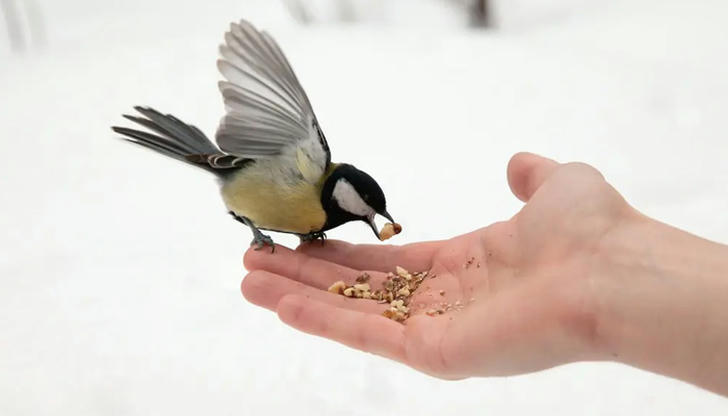
In winter, birds burn a huge amount of energy just to stay warm. According to bird conservation experts, calories matter more than variety during cold months.
The best winter foods are high in fat and protein, which help birds maintain body heat overnight. Some top choices include:
- Black oil sunflower seeds
- Suet cakes or suet balls
- Peanuts (unsalted and shelled)
- Nyjer (thistle) seed for finches
Avoid bread, crackers, or processed human food. These fill birds up without giving them the energy they actually need---and in extreme cold, that can be deadly.
If you're worried about attracting pests, start small. Even a single feeder placed high off the ground can support multiple birds through harsh weather.
Expert tip: Once you start feeding in winter, try to stay consistent. Birds quickly learn where reliable food sources are and may depend on them during cold snaps.
2. Keep Water Available---Even When It Freezes
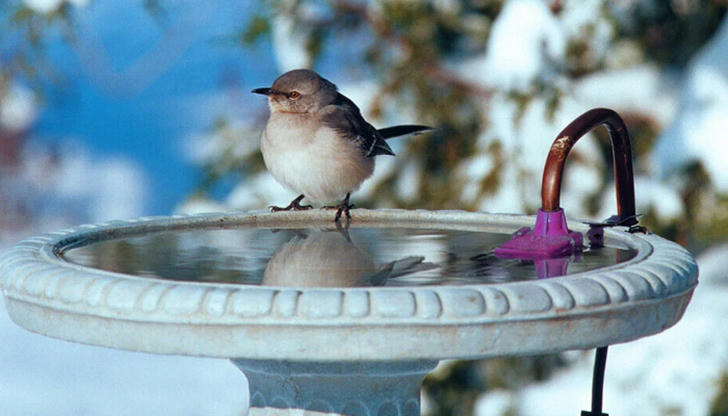
Food gets most of the attention, but water is just as critical in winter. Birds need water for drinking and feather maintenance, and natural sources often freeze solid.
You can help by providing a shallow birdbath and checking it daily. If temperatures drop below freezing:
- Replace frozen water once or twice a day
- Use a birdbath heater if possible
- Place the bath in a sunny, sheltered spot
Bird experts recommend shallow water---about 1 to 2 inches deep---to reduce drowning risk and make it accessible to smaller birds.
If you don't have a birdbath, even a sturdy bowl on a railing or windowsill can help during extreme cold.
3. Provide Shelter From Wind and Snow
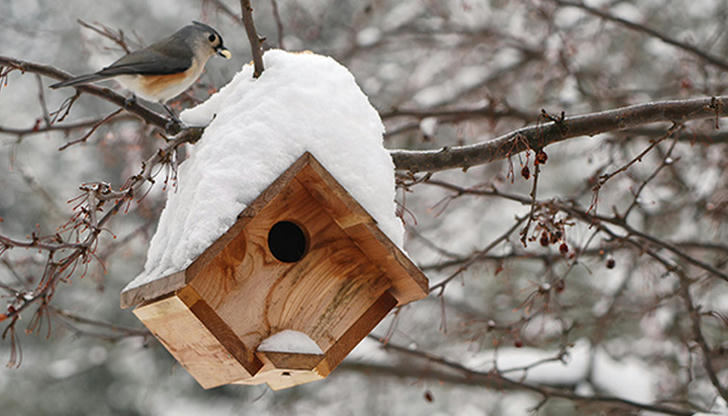
Cold alone is tough, but wind and moisture are what really sap a bird's body heat. Shelter can be the difference between survival and hypothermia.
You don't need to install a birdhouse overnight. Experts suggest starting with what you already have:
- Leave dense shrubs and hedges untrimmed in winter
- Let ivy, vines, or evergreen plants stay intact
- Stack branches or brush in a quiet corner of your yard
If you do use birdhouses, make sure they're clean, dry, and positioned away from prevailing winds. Winter roosting boxes---designed for warmth rather than nesting---are especially helpful in colder regions.
Urban dwellers can help too. Even balconies with potted evergreens or wind-blocking panels provide valuable protection.
4. Skip Chemicals and Salt Where Birds Walk
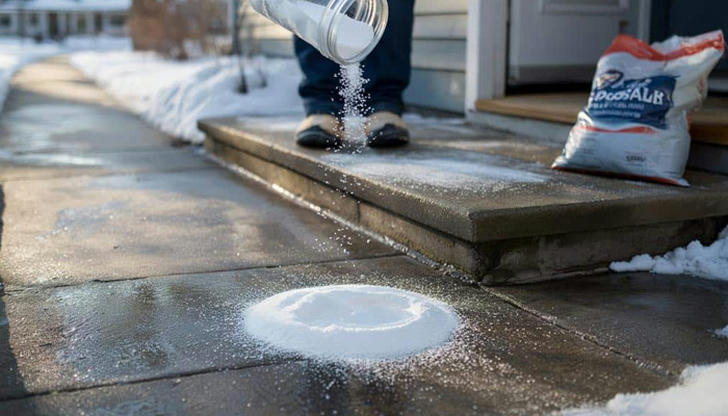
Many people don't realize that common winter chemicals can harm birds. De-icing salt, antifreeze leaks, and pesticide residues can poison birds directly or contaminate their food.
Wildlife experts recommend:
- Using bird-safe ice melt (calcium magnesium acetate, for example)
- Avoiding pesticides year-round, especially near feeding areas
- Cleaning up oil or antifreeze spills promptly
Salt is especially dangerous because birds may ingest it while foraging on sidewalks or roads. Choosing safer alternatives protects birds---and often pets, too.
5. Let Nature Be a Little Messy

A perfectly tidy yard might look nice to us, but to birds, it's often a winter desert.
Experts consistently encourage homeowners to leave natural debris alone during winter, including:
- Fallen leaves under trees
- Seed heads on flowers
- Dead grasses and stems
These "messy" areas hide insects, trap seeds, and provide natural insulation from the cold. Many birds forage almost exclusively on the ground in winter, and clearing everything away removes their food supply.
If you must tidy up, try doing it in stages rather than all at once, so birds don't lose every resource overnight.
Small Efforts, Big Impact
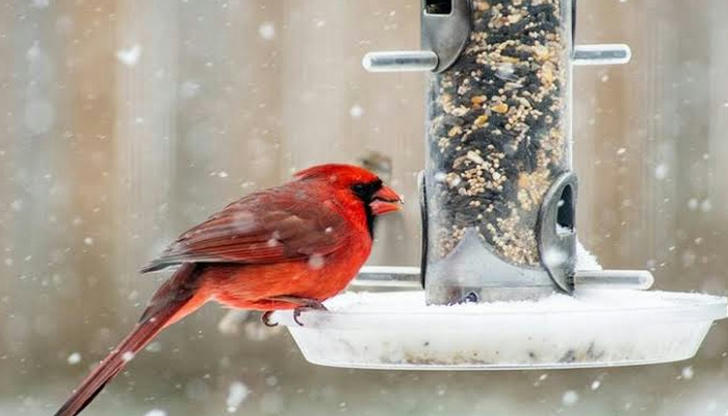
Helping birds during cold weather doesn't require special skills, expensive gear, or a large yard. What it does require is awareness---and a willingness to make small, thoughtful choices when winter hits.
Wildlife experts agree on one thing: consistent, simple support saves lives. A feeder, a bowl of unfrozen water, a sheltered corner, or a slightly messier yard can help birds survive the coldest nights of the year.
And in return, you'll get something back too---more birdsong, more life in winter, and the quiet satisfaction of knowing you made a difference when it mattered most.
This winter, don't just watch the cold from indoors. Help the birds weather it.