
Why Is My Car Overheating Common Causes and Repair Solutions
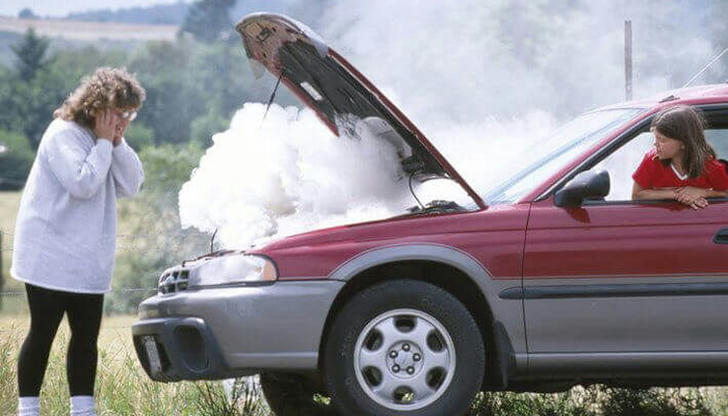
An overheating car is more than just an inconvenience---it can be a warning sign that something inside the cooling system is not working properly. While some causes are simple fixes, others can lead to serious engine damage if ignored. Understanding the common reasons behind overheating and knowing what repairs may be needed can help drivers respond quickly and avoid larger problems.
1. Low Coolant Levels
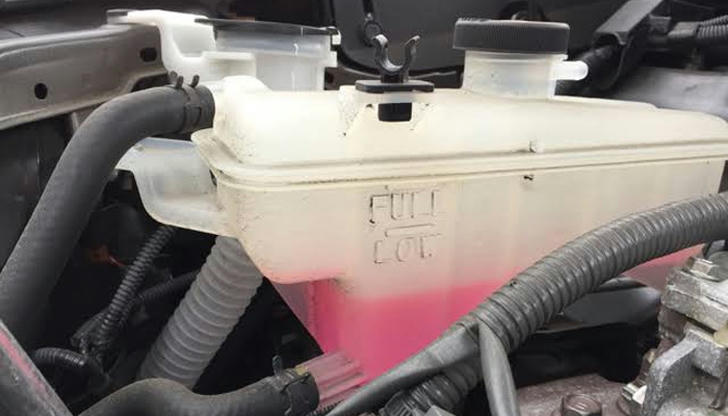
Coolant plays an essential role in controlling engine temperature. It absorbs heat produced by the engine and carries that heat away through the cooling system. When coolant levels become too low, the engine may not receive enough cooling support, causing the temperature to rise.
A vehicle with low coolant may show a rising temperature gauge, a coolant warning light on the dashboard, or overheating during longer drives. Drivers may also notice that the coolant reservoir level is lower than expected when checking under the hood.
Repair Solutions:
- Add the correct type of coolant if the level is low.
- Inspect the cooling system to find possible causes of coolant loss.
- Replace damaged hoses, caps, or connections that allow coolant to escape.
Adding coolant may temporarily solve the symptom, but finding the reason behind the low level is important to prevent the problem from happening again.
2. Cooling System Leaks
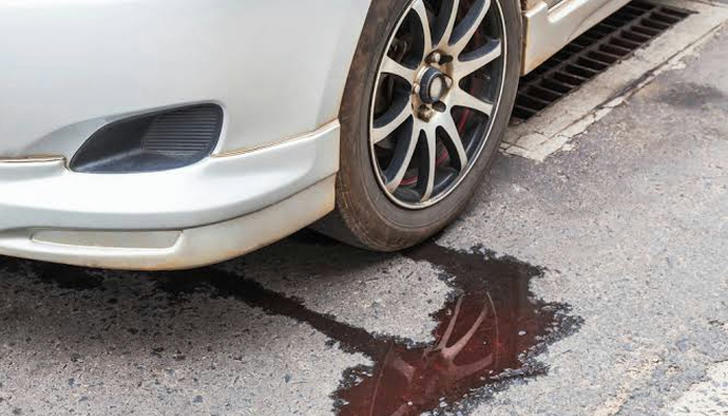
The cooling system needs to stay sealed to maintain proper pressure and move coolant effectively. Even a small leak can reduce coolant levels and make it difficult for the engine to stay at a safe temperature. Common leak areas include the radiator, hoses, water pump, and coolant reservoir.
Signs of a cooling system leak may include puddles or stains under the vehicle, a sweet smell near the engine area, frequent coolant refills, or visible wet spots around cooling system components.
Repair Solutions:
- Replace cracked or worn coolant hoses.
- Repair or replace damaged radiators or coolant reservoirs.
- Check seals, clamps, and connections for leaks.
A small leak may not seem serious at first, but ignoring it can eventually cause repeated overheating and more expensive engine repairs.
3. Radiator Problems
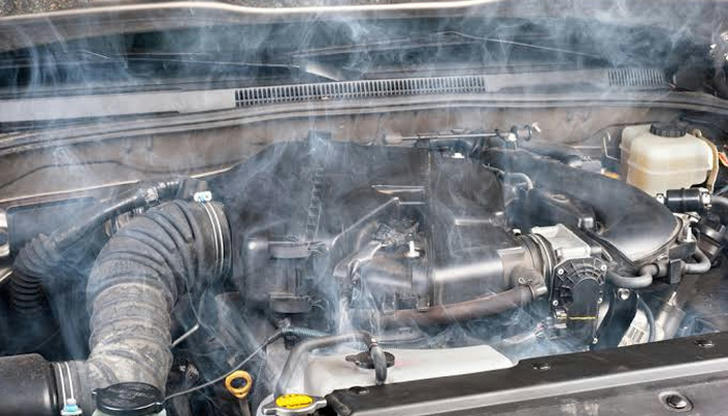
The radiator is responsible for releasing heat from the coolant before it returns to the engine. If the radiator cannot remove heat effectively, the engine temperature may continue to rise even when other parts appear normal.
Radiator problems can result from blocked airflow, internal buildup, damaged fins, or physical damage caused by road debris.
A radiator issue may cause overheating despite normal coolant levels. Drivers may notice temperature increases during traffic, dirty-looking coolant, reduced cooling performance, or visible damage around the radiator area.
Repair Solutions:
- Remove dirt or debris that blocks airflow through the radiator.
- Flush the cooling system to remove internal buildup.
- Repair or replace the radiator if damage affects performance.
Since radiator problems can gradually worsen, early inspection can help prevent more serious cooling system failures.
4. Faulty Thermostat
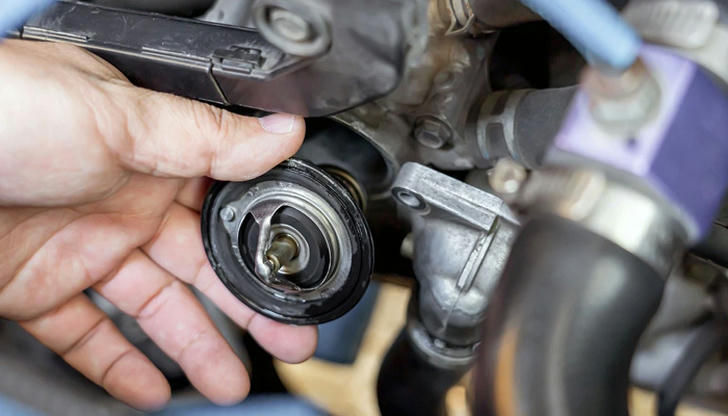
The thermostat controls coolant flow between the engine and radiator. It opens when the engine reaches the correct operating temperature, allowing coolant to circulate. If the thermostat gets stuck, the cooling system may not work properly.
Although it is a small component, a faulty thermostat can quickly cause overheating issues.
A bad thermostat may cause the engine temperature to rise quickly after starting, sudden temperature changes while driving, poor heater performance, or overheating even when enough coolant is available.
Repair Solutions:
- Replace the faulty thermostat with a new one.
- Inspect nearby cooling system components for related problems.
- Test coolant circulation after replacement.
Because thermostat problems can resemble other cooling issues, proper diagnosis helps avoid unnecessary repairs.
5. Water Pump Failure
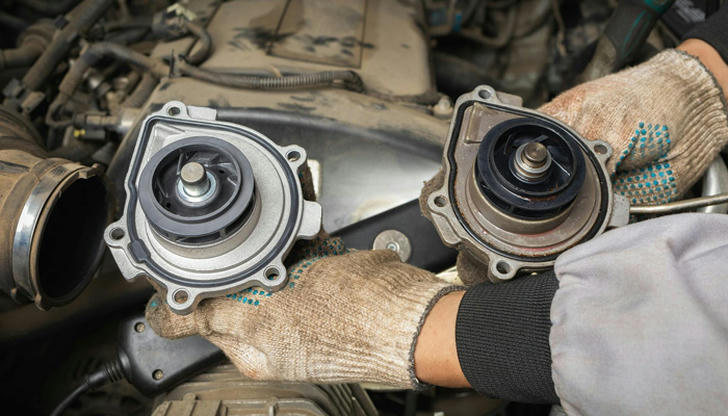
The water pump keeps coolant moving throughout the engine and radiator. When the pump fails, coolant circulation becomes weak or stops, preventing heat from being removed properly.
Water pumps can wear out over time, especially in older vehicles or cars with higher mileage.
A failing water pump may cause overheating after driving for a while, coolant leaks near the pump area, unusual noises from the engine compartment, or rising temperatures despite correct coolant levels.
Repair Solutions:
- Replace a worn or damaged water pump.
- Inspect belts and related parts connected to the pump.
- Check the entire cooling system after installation.
A damaged water pump should be repaired quickly because poor coolant circulation can lead to severe engine overheating.
6. Cooling Fan Issues
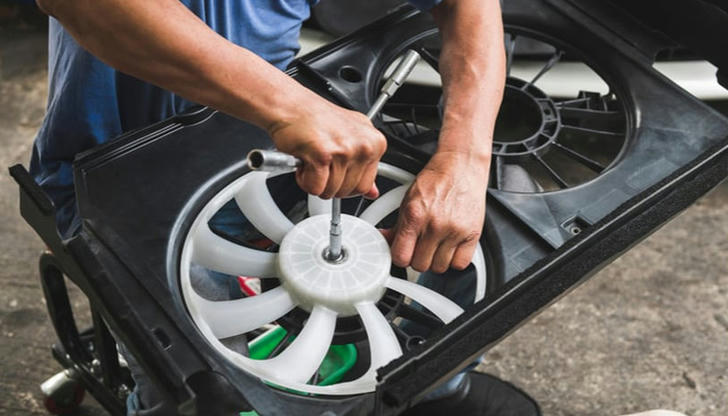
Cooling fans help move air through the radiator, especially when a vehicle is stopped or moving slowly. When the fan does not operate correctly, the radiator may not be able to release enough heat.
Fan problems are often related to electrical failures, damaged motors, sensors, or control components.
Cooling fan problems often appear when the vehicle overheats in traffic or while idling but stays cooler at higher speeds. Drivers may also notice that the fan does not turn on when the engine is hot or see temperature warning lights appear.
Repair Solutions:
- Replace a damaged cooling fan motor.
- Repair faulty wiring or electrical connections.
- Inspect fan sensors and control systems.
Identifying when overheating happens can help technicians determine whether the cooling fan is the source of the problem.
Conclusion
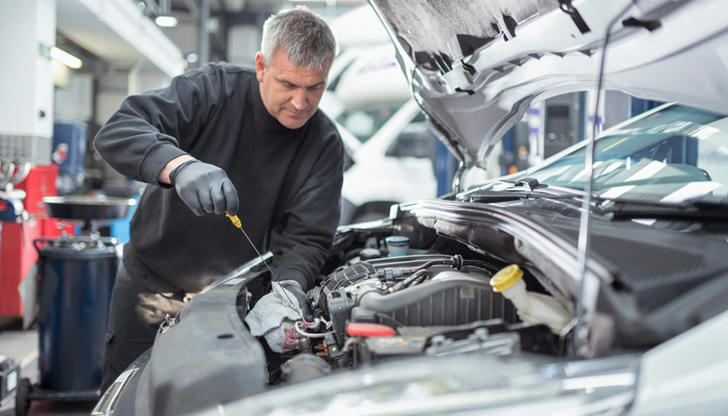
Car overheating can be caused by several different issues, including low coolant, leaks, radiator failures, thermostat problems, water pump damage, and cooling fan problems. While some repairs may be simple, ignoring overheating can result in serious engine damage.
Learning to recognize warning signs and understanding possible repair solutions can help drivers make smarter decisions. Addressing overheating problems early can reduce repair costs and help keep your vehicle running safely.