
Mechanic Red Flags: How to Know When You're Being Overcharged

Let's be honest: walking into an auto repair shop can feel a little like walking into a foreign country --- full of strange noises, mysterious codes, and bills written in another language. You want to trust your mechanic, but when the estimate jumps from $150 to $900 "because we found something else," that trust starts to wobble.
The good news? You don't need to be an expert to spot when you're being taken for a ride. You just need to recognize a few classic red flags --- and know how to respond before you hand over your keys (and your credit card).
Red Flag #1: "We Can't Show You the Problem"
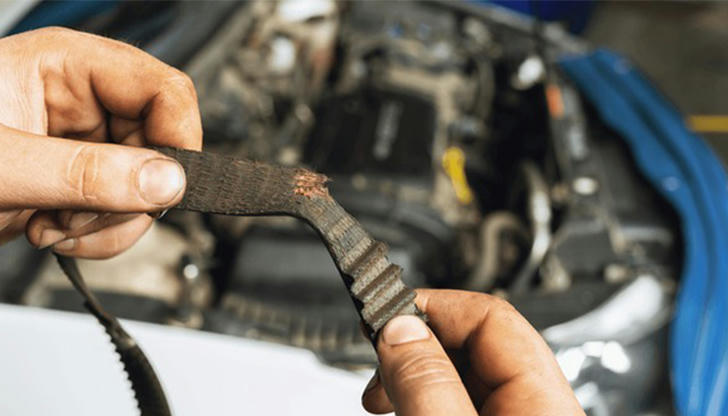
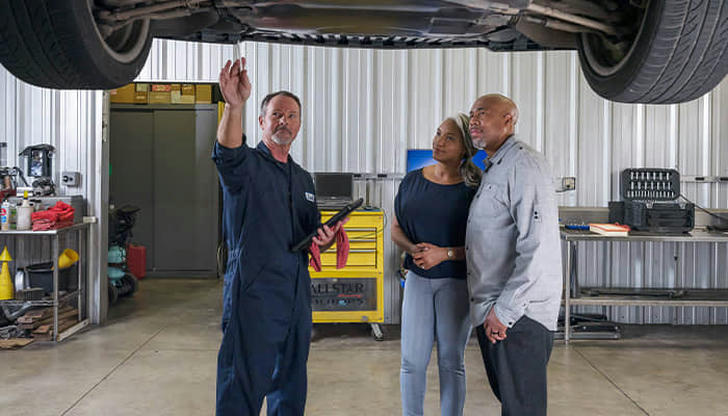
Transparency is everything. A good mechanic will happily point out what's wrong --- even if it's just showing you a cracked belt, a leaky hose, or a worn brake pad.
If they refuse to let you see the part, claim it's "too complicated," or say the car is already taken apart so you can't check... that's a bad sign.
Pro tip: Ask for the old parts back after the repair. Honest shops don't mind --- it proves they actually replaced what they said they did.
Red Flag #2: The "Everything's Urgent" Routine
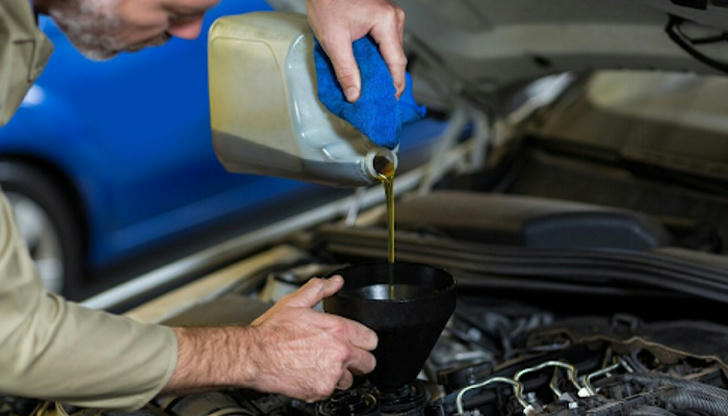
Some shady shops use fear as a sales tactic. You go in for an oil change, and suddenly your car "isn't safe to drive" unless you approve another $700 of work immediately.
Sure, some problems are urgent --- like brake failure or leaking coolant. But many aren't. Mechanics who push every issue as an emergency are betting on your panic, not your knowledge.
What to do: Ask them to prioritize the list --- what's safety-critical, what can wait a few weeks, and what's just "nice to have." Then check online or call another shop to confirm.
Red Flag #3: No Written Estimate (or It Changes Mid-Repair)
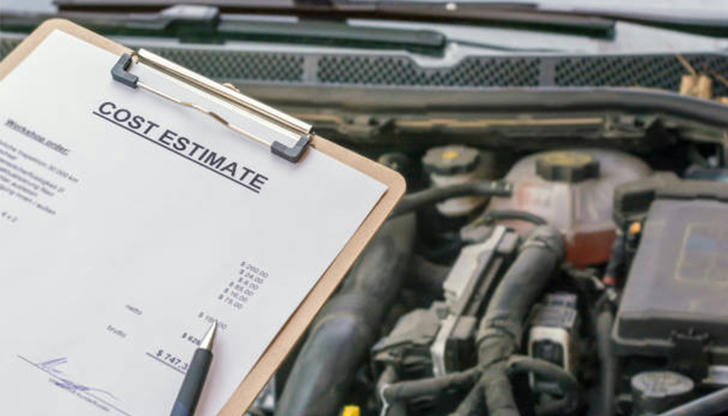
Always get a written estimate before work starts --- not a "ballpark," not a handshake. The law in most states requires it.
If the final bill suddenly grows without your consent --- or they claim "you approved it over the phone" when you didn't --- that's a major red flag.
Your move: Ask for an itemized invoice and note any extra charges you didn't authorize. Reputable shops will correct honest mistakes. Shady ones will start sweating when they realize you're keeping records.
Red Flag #4: "We Already Started Without Calling You"

This one's sneaky. You drop off your car for a diagnosis, and before you know it, they've done the repair --- without approval. Now you're stuck with a surprise bill because "it's already fixed."
Legally, most states require customer authorization before additional work. If they skip that step, you're not obligated to pay for unauthorized labor.
Best defense: When you drop off your car, clearly write "Call for approval before any additional work" on the service order. Keep a photo of it for proof.
Red Flag #5: Vague or Jargon-Filled Explanations
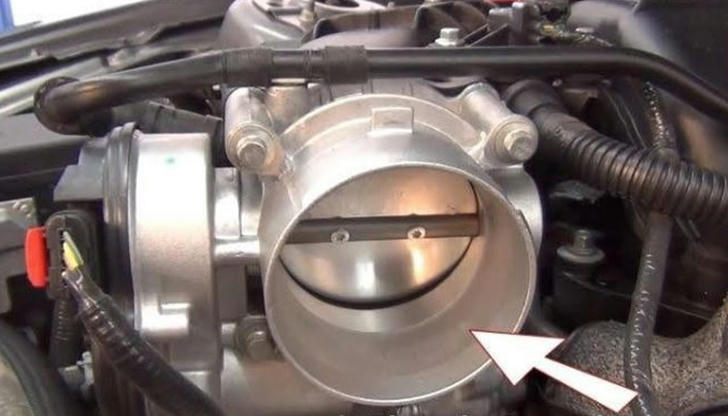
If a mechanic can't explain a repair in plain English, that's a red flag. "Your throttle position sensor's CAN bus latency is out of range" means nothing to most drivers --- and some shops use jargon to confuse you into agreeing.
Try this line: "Could you explain what that means for how the car drives?"
A good mechanic will translate: "Basically, your car's not getting the right info about how much gas you're giving it --- that's why it stalls." That's clarity.
Red Flag #6: "Dealer-Only" Parts That Magically Cost Triple
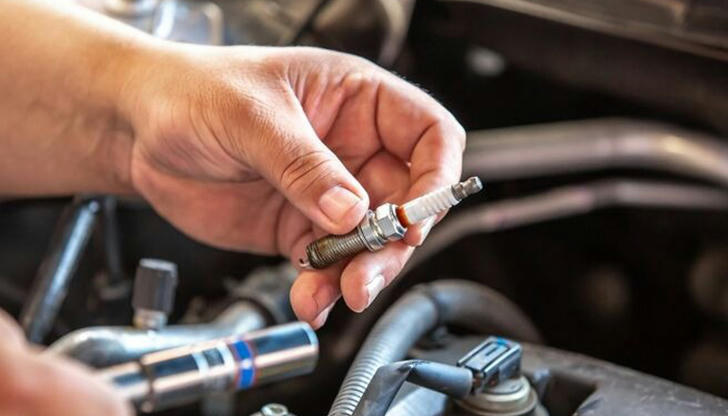
Some shops inflate parts prices by claiming they must use "OEM-only" (original manufacturer) parts. Sometimes that's true, but often aftermarket parts work just as well --- at half the price.
Tip: Ask for the part number and compare prices online. Even if you don't buy it yourself, knowing the real cost keeps them honest.
Red Flag #7: They Dodge Questions About Warranty or Labor Time
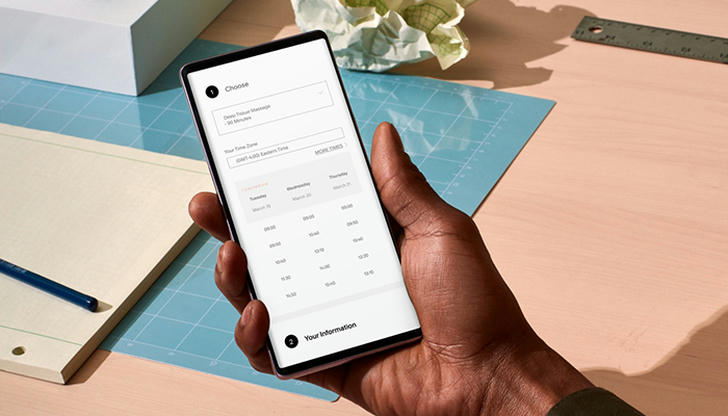
A professional shop will clearly state how long a repair takes and what warranty covers it. If they mumble or get defensive when you ask, that's a warning.
For example, replacing brake pads shouldn't take five labor hours --- and if it does, you deserve to know why.
Smart move: Check "book time" online. Many sites list the average labor hours for common repairs. Knowledge = power.
Red Flag #8: Suspiciously Cheap Coupons

That $19.99 oil change might look great... until you realize it's bait. Many discount deals exist to get you in the door so they can upsell you on filters, flushes, and "special additives."
Rule of thumb: If a deal seems too good to be true, it usually is. A shop that undercharges on the front end will find a way to make it up later.
Red Flag #9: The Pressure Pitch
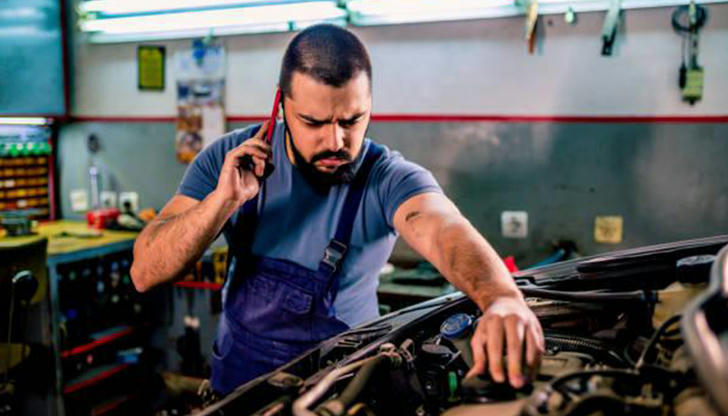
If the mechanic acts annoyed, rushes you to decide, or says things like "You don't want your engine to blow, do you?" --- that's manipulation. A trustworthy pro will give you space to think, not scare you into saying yes.
Tip: Step outside, take a breath, and tell them you'll call back. Scammers hate when you pause --- because it breaks the urgency spell.
So... How Do You Find a Mechanic You Can Trust?
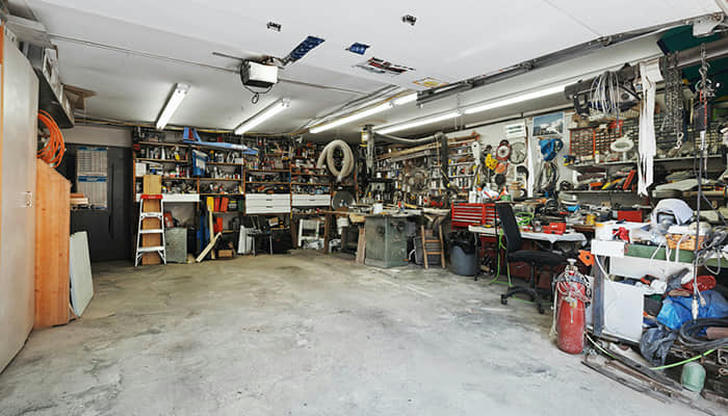
Look for small, consistent clues:
They answer questions without rolling their eyes.
Their shop is organized, not chaotic.
They use clear estimates and photos.
They treat your curiosity as respect, not an inconvenience.
And of course, word of mouth still wins. A single honest mechanic recommended by friends is worth more than a dozen glowing online reviews.
Final Thought: You're the Customer, Not a Captive
Cars are complicated --- but fair treatment isn't. You don't have to understand every part under the hood to recognize when something doesn't smell right (and not just from the engine).
Trust your gut, ask questions, and never be afraid to walk away.
Because the best repair shops don't just fix cars --- they earn your trust, one honest estimate at a time.