
How Winter Salts Silently Ruin Your Car's Underbody---and What DIY Steps Can Prevent It
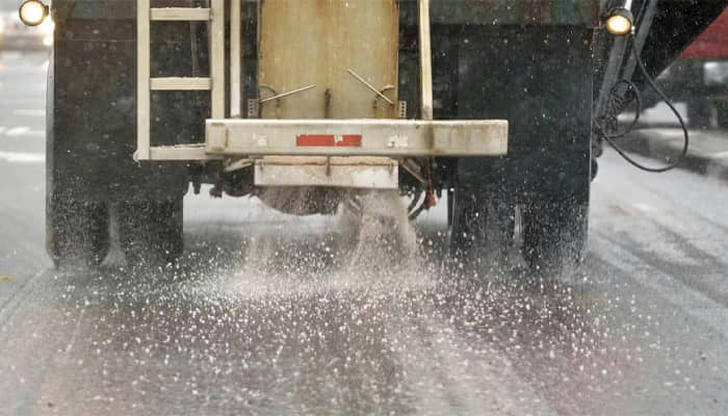
Winter driving is stressful enough with icy roads and unpredictable weather, but there's another threat lurking under your car that many drivers overlook: road salt. While it's spread to keep roads safe, salt is quietly destructive to vehicles, especially on the underbody where most of us rarely look. If ignored, it can lead to hidden rust, weakened components, and repairs that drain your wallet. The good news is that with some simple DIY steps, you can protect your car and keep it in great condition even through the harshest winters.
1. How Salt Damages Your Car
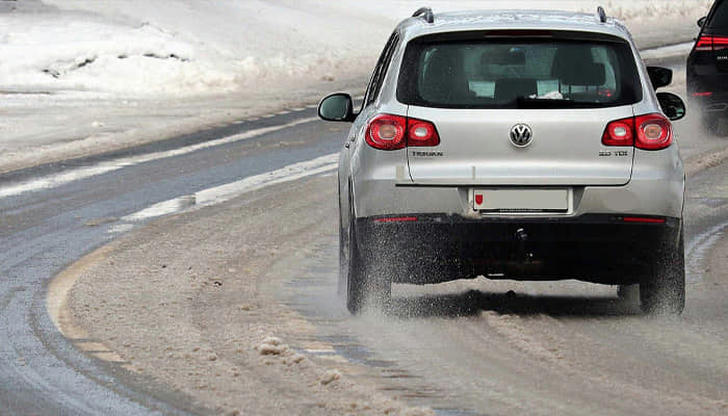
Salt works by lowering the freezing point of water, making roads less icy. That's good news for driving, but terrible for metal. Once mixed with water, it becomes an electrolyte solution that accelerates oxidation---the process we know as rust. Unlike surface dirt, salt doesn't just wash off with time; it sticks to metal and keeps working long after the roads are dry.
Even worse, the underbody takes the heaviest hit. Suspension arms, exhaust systems, brake lines, and fuel lines are all exposed, and once corrosion starts, it can spread quickly. What begins as surface rust can eventually compromise structural integrity. In fact, many cars that seem perfectly fine from the outside are already hiding significant underbody damage after only a few winters on salted roads.
2. Spotting the Early Signs
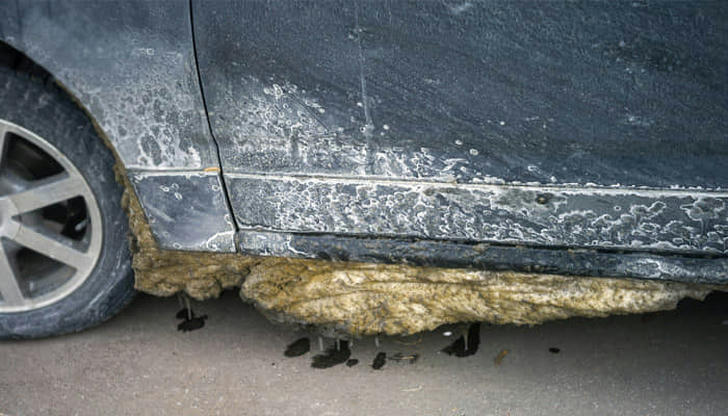
Catching salt damage early is key. Keep an eye out for paint bubbles, flaking undercoating, or reddish-brown patches on suspension parts. Listen for squeaky brakes or unusual rattles from beneath the car, which can indicate that brackets or mounts are corroding. Even something as small as a sticky parking brake cable might point to salt-related wear.
A lot of drivers don't realize the problem until it's too late, like when a brake line bursts or a bolt snaps during a routine repair. By then, you're looking at big bills. Inspecting your car regularly---especially in late winter and early spring---can save you a lot of headaches.
3. Wash the Undercarriage Like It Matters
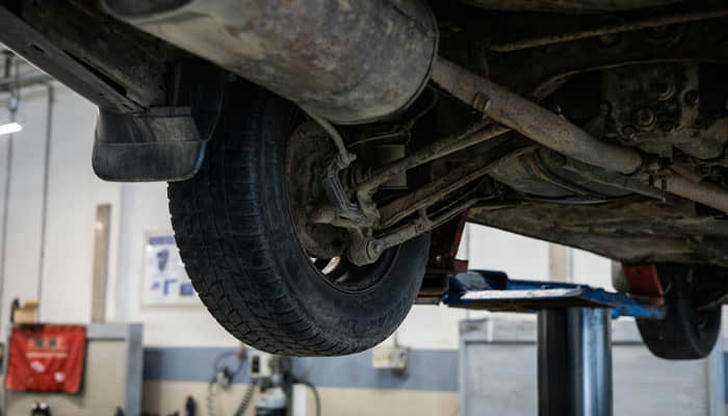
Most people head to the car wash after a storm just to get rid of the white streaks on the paint, but the real priority should be the underside. Salt collects in wheel wells, frame rails, and suspension areas, where it's out of sight and left to work.
A weekly underbody rinse during heavy salt season is one of the most cost-effective ways to prevent rust. You don't need a fancy setup either: a garden hose with a strong nozzle or a budget-friendly undercarriage sprayer attachment will do the job. If you use a pressure washer, be thorough around joints and seams where salt likes to hide.
4. Add a Protective Barrier
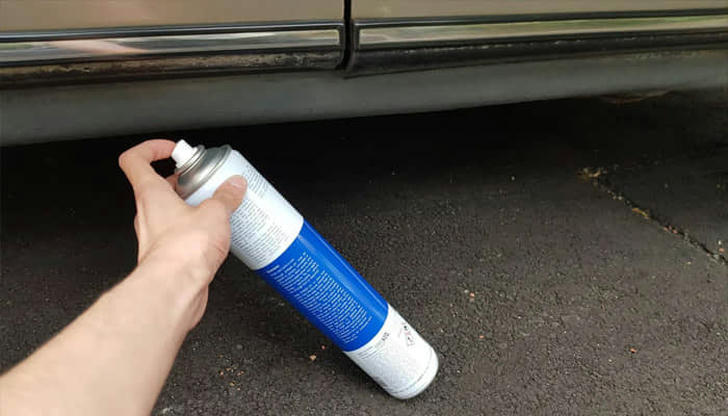
Washing is great, but it doesn't last forever. Adding a protective coating gives your car a second line of defense. Many DIY-friendly products are available, from rubberized undercoatings to oil-based sprays designed to creep into seams and prevent moisture from reaching the metal.
The trick is preparation. Always clean the underside first, then apply the coating on a dry surface. Spraying directly over dirt or existing rust only seals the problem in. Focus on high-risk spots like wheel arches, seams, and exposed suspension parts. Think of it like sunscreen for your car---it doesn't make it invincible, but it buys you valuable time.
5. Don't Forget the Body Panels
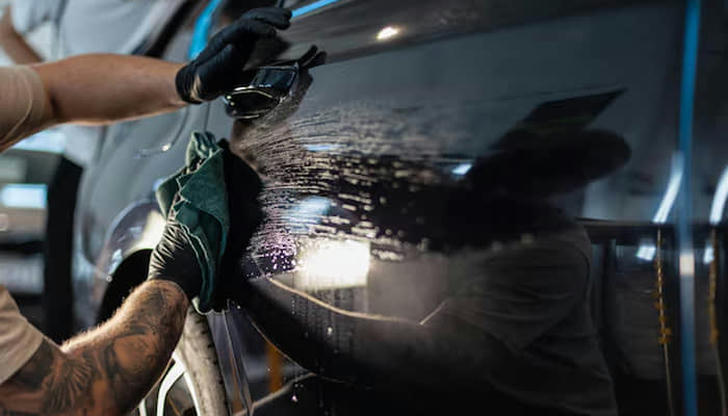
Rust doesn't only start underneath. Salt splashes up onto body panels, especially near the rocker panels, doors, and fenders. A good coat of wax or paint sealant in late fall helps protect the finish through the season.
Pay attention to edges and seams, where paint is thinnest and salt tends to collect. Even small chips in the paint can become rust spots by spring if left untreated. Touching them up quickly with a repair pen or clear coat makes a real difference.
6. Check the Hidden Drains
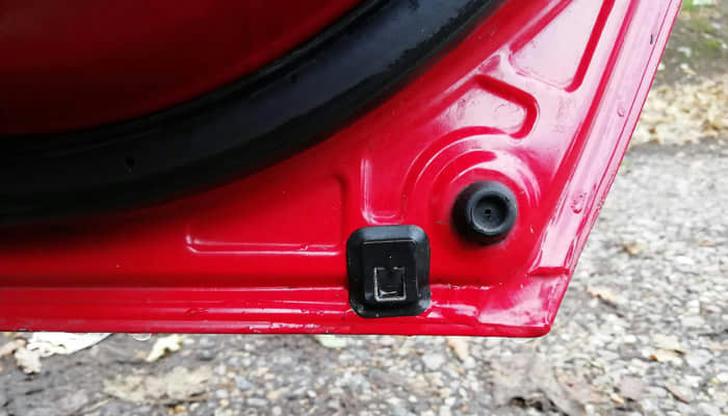
One of the sneakiest ways salt does its damage is through clogged drains. Your car has small drainage holes in doors, rocker panels, and fender liners. When they're blocked, salty water sits inside and corrodes from within. That's why some vehicles rust from the inside out, leaving drivers shocked when panels suddenly bubble or crack.
A simple check with a wire or compressed air keeps those drains clear. It's a small job that prevents big headaches down the road.
7. Keep an Eye on Brakes and Suspension
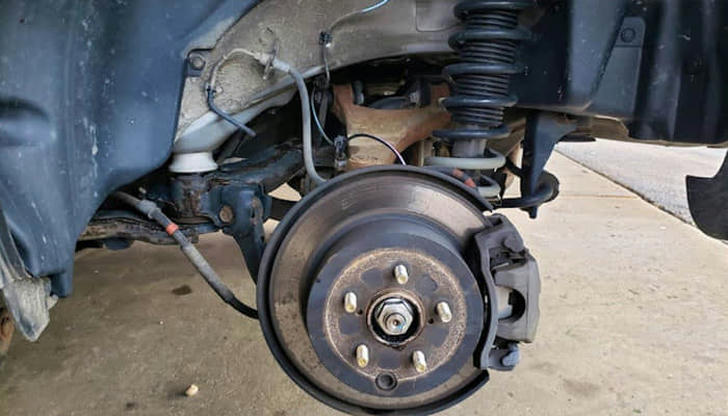
Moving parts suffer more than stationary ones. Salt accelerates corrosion on brake lines, calipers, shocks, and control arms. During winter, get into the habit of glancing underneath with a flashlight. If you see fresh rust forming, treat it before it spreads.
Lightly coating exposed bolts, brackets, and fittings with anti-corrosion spray can slow down the process. Just be careful to avoid spraying brake pads or rotors directly---you want protection on hardware, not on the parts that need friction.
8. Parking Habits Matter More Than You Think

Where you leave your car can either help or hurt. Parking in a garage or under a cover shields it from the worst of the elements. Even a basic tarp can cut down exposure. On the flip side, leaving your car on salted roads for days at a time gives salt the chance to dry, stick, and keep corroding.
If you must park outside, try to rinse the car more often. Salt doesn't need moisture to keep corroding---it works even when dry---so the less time it spends on your car, the better.
9. Know When to Call the Pros

DIY steps go a long way, but sometimes professional help is necessary. Holes in the floor pan, heavily corroded brake lines, or weakened suspension mounts aren't jobs you should take on at home. A mechanic can assess the severity and recommend whether repairs or replacements are needed. Scheduling a spring inspection after winter is a smart way to stay ahead of problems.
10. Final Thoughts
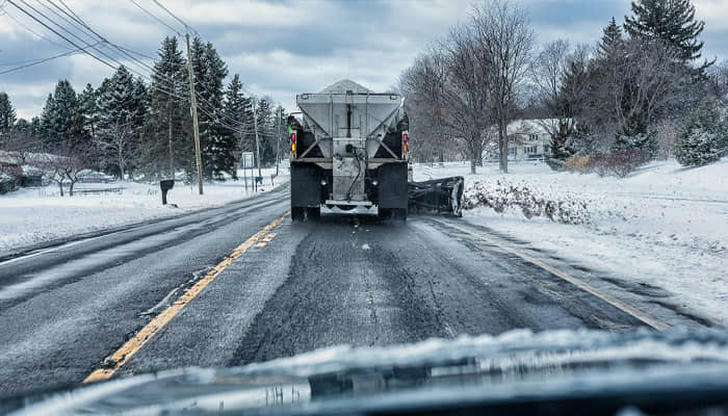
Road salt may be invisible once it dries, but the damage it causes is all too real. Fortunately, protecting your car doesn't have to be complicated or expensive. With regular washing, a bit of protective coating, attention to drains and moving parts, and smarter parking habits, you can save yourself thousands in potential repairs. Winter salt doesn't have to be a silent killer of cars---if you outsmart it, your vehicle can keep running strong for years to come.