
How to Keep Your Old Car Running Without Breaking the Bank
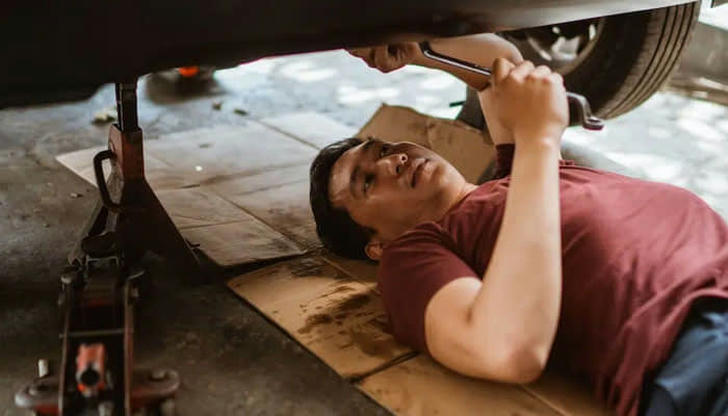
Owning an older car can be a bit like having a pet---you love it, it has character, but it occasionally needs extra attention. The good news is that keeping your aging ride on the road doesn't have to drain your wallet. With a mix of smart maintenance, a few DIY skills, and some proactive habits, you can extend your car's life and dodge costly repairs. Here's a hands-on guide to keeping your classic (or just older) car rolling smoothly.
1. Listen to Your Car Like a Friend

Older cars often "talk" to you if you pay attention. Weird noises, strange smells, or even minor vibrations can be early warning signs. Ignoring them might turn a $50 fix into a $500 nightmare.
Tip: Keep a small notebook in your glove compartment and jot down any unusual sounds or behaviors. Over time, you'll start recognizing patterns and know when it's time for a small fix versus a major repair.
It's amazing how much you can prevent just by noticing early signs. That squeaky belt or slightly hard-to-turn steering wheel might be a simple adjustment away from a full-blown repair.
2. Stick to a Smart Maintenance Schedule
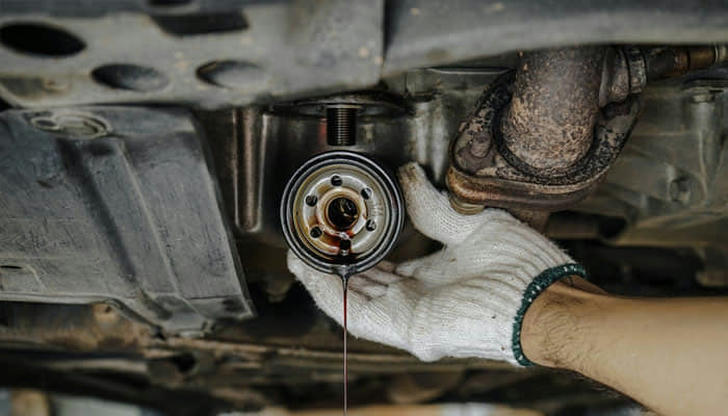
Even if your car is old, the basics still matter. Oil changes, fluid checks, and tire maintenance are the backbone of longevity. Skipping them to save a few bucks now usually ends up costing more later.
Oil changes: Don't wait too long---older engines especially need fresh oil to prevent wear. Check the owner's manual, but once every 3,000--5,000 miles is usually safe.
Fluids: Transmission, brake, coolant, and power steering fluids all need occasional top-ups or replacements. Neglecting them can lead to expensive component failure.
Tires: Keep them inflated to the recommended pressure and rotate them every 5,000--7,000 miles to avoid uneven wear.
Think of it as preventative medicine for your car. A little attention now saves you from bigger problems down the road.
3. Learn a Few Simple DIY Repairs
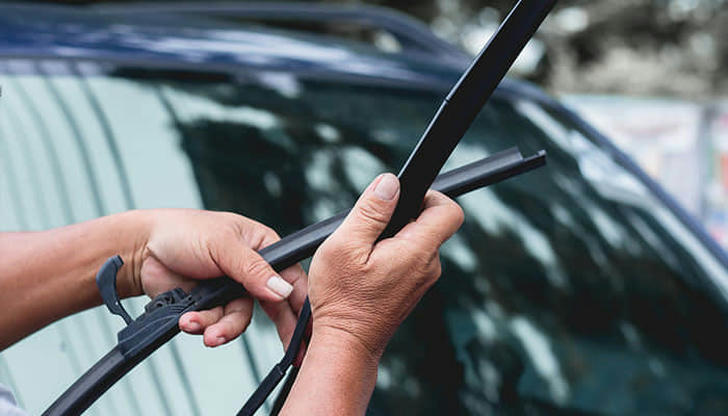
You don't need to be a mechanic to tackle small, wallet-friendly repairs. Learning a few hands-on skills can save hundreds of dollars per year.
Replacing wiper blades or air filters: Quick, easy, and essential for safety and efficiency.
Changing spark plugs: A bit more advanced but totally doable with a few online tutorials. Helps your engine run smoother and improves fuel economy.
Battery maintenance: Clean corrosion from terminals and check charge levels---sometimes a "dead" battery is just dirty connectors.
YouTube, Reddit, and car forums are full of step-by-step guides for common fixes. Start small, gain confidence, and you'll find that many things you assumed were expensive repairs are actually manageable at home.
4. Keep It Clean---Inside and Out
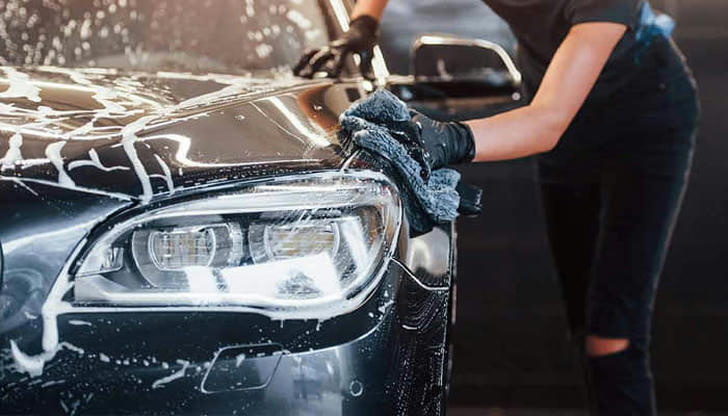
This might sound trivial, but regular washing and interior care matter more than most people realize.
Exterior: Dirt, grime, and salt (in winter) accelerate rust. A monthly wash and occasional wax can protect paint and metal, especially in older cars.
Interior: Dirt and moisture inside the car can lead to mold, smells, and even electrical issues. Vacuum regularly and wipe down surfaces.
A clean car isn't just nicer to drive---it reduces the risk of damage that could lead to costly repairs later. Think of it as preserving the investment you already made.
5. Drive Smart, Not Hard

How you drive has a huge impact on how long your car lasts. Older vehicles benefit greatly from gentle treatment.
Avoid rapid acceleration and heavy braking: These put stress on the engine, transmission, and brakes. Smooth driving extends the life of all major systems.
Don't overload your car: Extra weight strains the suspension, brakes, and engine. Keep your cargo reasonable.
Warm up in cold weather: Give your engine a minute to reach normal operating temperature before pushing it hard, especially in winter.
Small changes in driving habits can prevent premature wear and tear, keeping your old car happy for years.
6. Build a Relationship with a Trustworthy Mechanic

Even if you love DIY, sometimes you need a professional eye. Find a mechanic you trust, ideally one experienced with older vehicles.
Tip: Don't just go for the cheapest option. Honest advice and preventive suggestions are worth more than a quick, cheap fix that fails later.
Ask for guidance: Mechanics can teach you what's normal for your car's age and what to watch for, helping you make informed decisions before problems escalate.
A good relationship with a skilled mechanic is like having a personal health coach for your car---it keeps you ahead of trouble.
7. Stock Up on Small, Useful Parts
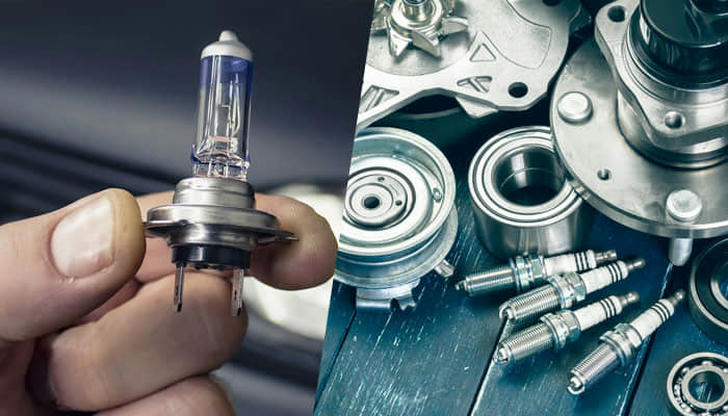
Some parts fail more often in older cars. Keeping a few essentials on hand saves time, hassle, and sometimes towing fees.
Spare bulbs for headlights and brake lights
Fuses for minor electrical issues
Belts and hoses that are prone to wear
A small toolkit with wrenches, screwdrivers, and pliers
Having these ready lets you tackle minor repairs immediately, often avoiding bigger damage down the road.
8. Pay Attention to Rust and Corrosion
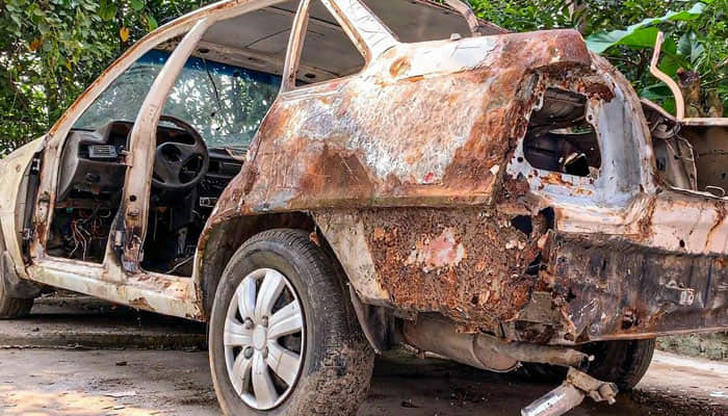
Rust is the silent killer of older cars. Check common spots like wheel wells, undercarriage, and around door edges.
Tip: Treat small rust spots immediately with rust converter or touch-up paint. Ignoring them allows rust to spread, which can compromise structural integrity.
A little prevention goes a long way, keeping your old car safe and roadworthy.
Bottom Line
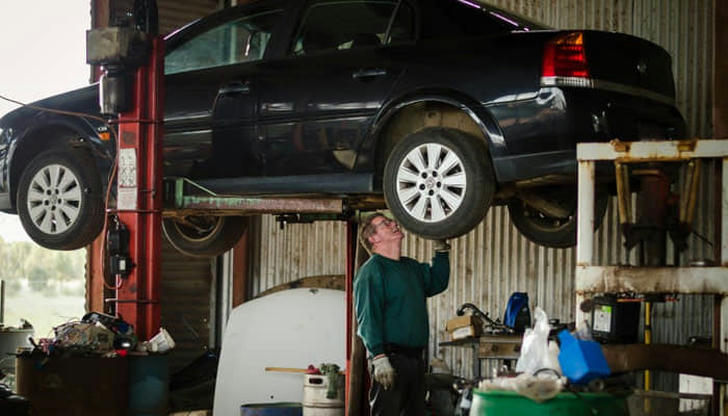
Older cars don't have to be money pits. With attentive listening, consistent maintenance, some DIY skills, and smart driving habits, you can keep your vehicle on the road for years without spending a fortune. Remember: small efforts now---like changing a filter, listening to odd sounds, or preventing rust---compound into big savings over time.
Treat your car with care, give it a little TLC, and it will reward you with reliable service long past its "official" lifespan. Sometimes, the love and attention you give an older car are exactly what it needs to keep chugging along, mile after mile.