
Hidden Early Warning Signs Most Drivers Ignore

Most drivers assume car trouble is obvious---warning lights, strange noises, or a full breakdown on the roadside. But in reality, many vehicle issues start much earlier in a quieter way.
You might say things like:
"The car is still running fine... but it doesn't feel the same."
"It drives okay, but something feels slightly off."
That feeling is often the first warning sign of developing car problems.
Modern vehicles are built to keep running even when parts begin to wear down. That means the car adapts, compensates, and hides early issues---until they become expensive repairs.
Learning to recognize these subtle changes can save you money and prevent unexpected breakdowns.
Why Cars Rarely Break Down Without Warning

Most people think car failures happen suddenly. In reality, most issues develop slowly over time.
Small problems build up in areas like:
Tires and wheel alignment
Engine lubrication
Brake wear
Electrical system stability
The car continues functioning by adjusting performance, which is why drivers often don't notice anything obvious at first.
By the time a warning light appears, the issue has usually already progressed.
Subtle Driving Changes You Should Never Ignore
1. Slight Vibrations at Certain Speeds

One of the most common early car warning signs is vibration that only appears at specific speeds, usually on highways.
You may feel:
A shaking steering wheel at 40--70 mph
Light vibration in the seat or floor
Uneven road feedback even on smooth roads
Possible causes include:
Tire imbalance
Wheel alignment issues
Worn suspension components
Even if it seems minor, this is often the first stage of a larger vehicle problem.
2. Steering Feels "Different" But Not Broken

Another subtle sign is when steering doesn't feel as sharp or responsive as before.
You might notice:
Slight heaviness when turning
Less precise control
A "loose" or delayed response
This could be related to:
Tire pressure imbalance
Power steering wear
Suspension fatigue
Because the car still drives normally, many drivers ignore it---until it worsens.
3. Braking Feels Normal... But Not Quite
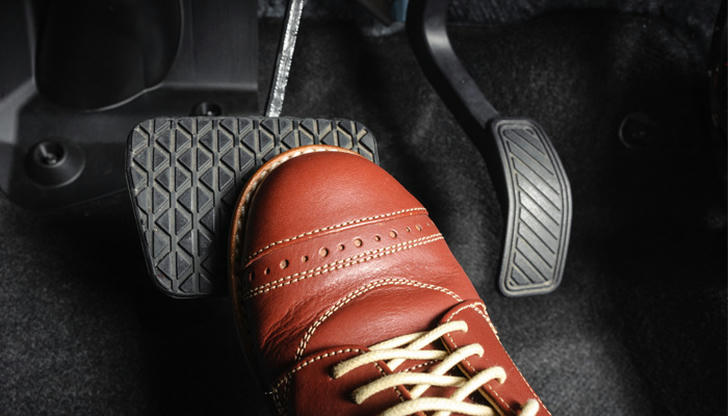
Brake problems rarely appear suddenly. Instead, they develop gradually.
Early signs include:
Slightly longer stopping distance
A softer brake pedal feel
No visible warning light
Even small changes in braking performance should not be ignored. Brake system issues are among the most important car maintenance tips to monitor early.
4. Engine Sound Changes After Cold Start
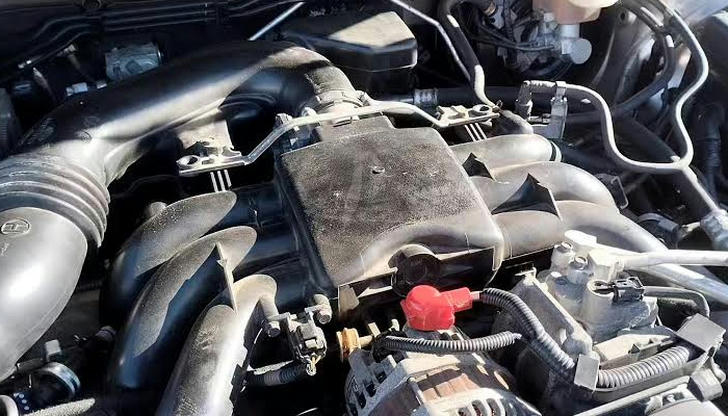
If your engine sounds slightly different in the morning, pay attention.
You might hear:
Light ticking or tapping
Rough idle for a few seconds
Slight vibration when first starting
These can indicate:
Early lubrication issues
Fuel system imbalance
Minor ignition inconsistencies
Even if the sound disappears quickly, it is often an early engine problems symptom.
Hidden Warning Signs That Don't Feel Mechanical
Not all car issues show up as physical sensations. Some are easier to miss.
5. Fuel Efficiency Slowly Drops
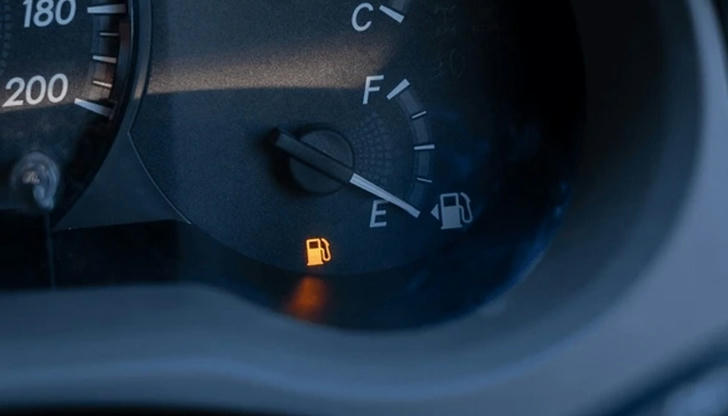
If you're visiting the gas station more often without changing driving habits, that's a red flag.
Possible causes:
Dirty air filters
Oxygen sensor degradation
Tire pressure issues
A gradual drop in fuel efficiency is one of the most overlooked car warning signs.
6. Air Conditioning or Heating Becomes Less Responsive
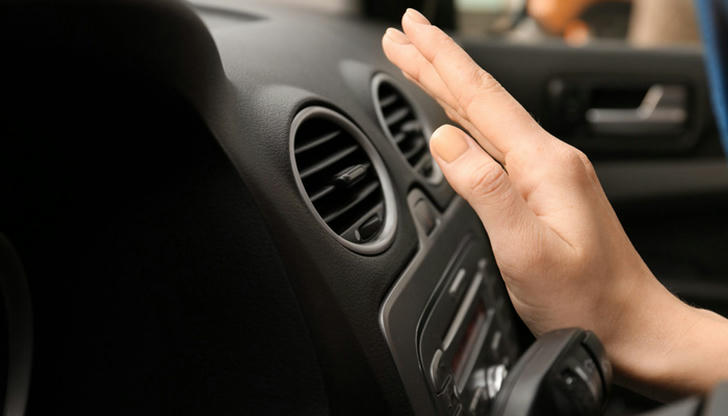
If your AC or heater still works but feels weaker or slower, don't ignore it.
You may notice:
Longer time to cool or heat the cabin
Uneven airflow
Reduced overall performance
This can indicate early compressor or system pressure issues.
7. Random Electrical Glitches
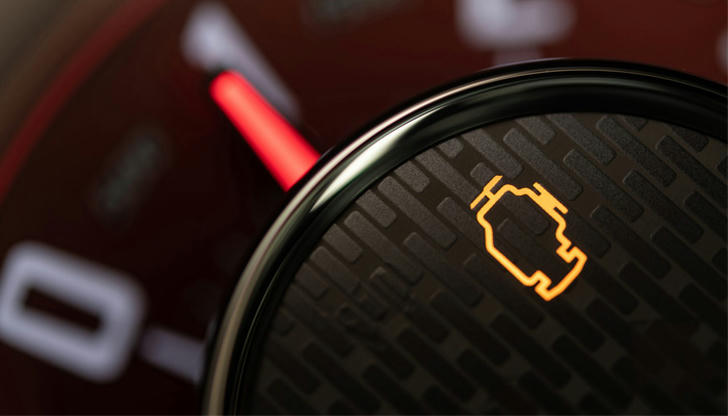
Modern cars rely heavily on electronics, which means early problems can show up as:
Flickering dashboard lights
Infotainment system resets
Temporary sensor warnings
These often point to battery or alternator instability---before complete failure happens.
Why These Small Changes Matter More Than You Think
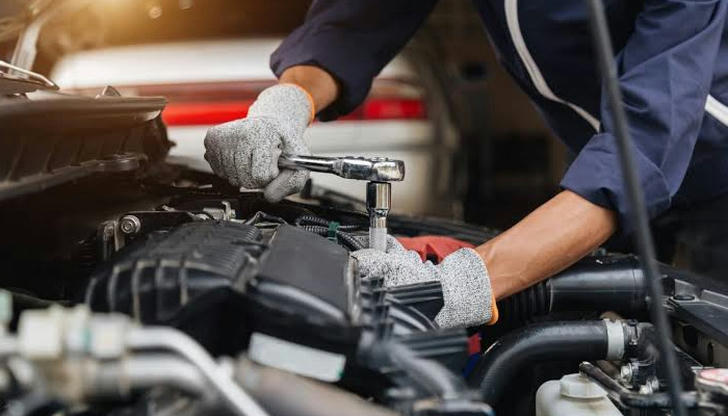
The biggest mistake drivers make is assuming "it's still driving fine, so it's fine."
But in reality:
Small issues become expensive repairs
One problem often triggers others
Early fixes are significantly cheaper
For example:
Tire imbalance = low-cost fix
Ignored vibration = suspension damage later
Recognizing early vehicle troubleshooting signs is one of the easiest ways to avoid major repair bills.
Common Mistakes Drivers Make

Many drivers unintentionally make problems worse by:
Ignoring small changes in driving feel
Waiting for a warning light
Resetting alerts without checking the cause
Assuming new cars don't develop early issues
The truth is simple: modern cars are more complex, not less maintenance-heavy.
How to Train Yourself to Notice Early Problems

You don't need to be a mechanic---you just need awareness.
Try this simple habit:
Once a week, mentally check:
Steering feel
Brake response
Engine sound
Overall ride smoothness
Also ask yourself:
"Does my car feel exactly like it did last month?"
Consistency is the key indicator of hidden problems.
When You Should Get It Checked

Visit a mechanic if:
A subtle issue lasts more than a few days
Multiple small symptoms appear together
Fuel efficiency or performance clearly changes
Early inspection is almost always cheaper than waiting.
Conclusion: Your Car Always Gives You Clues---Just Not Loud Ones
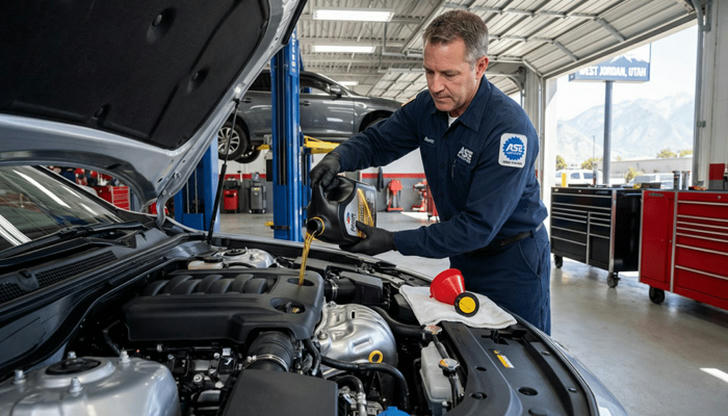
Most serious car problems don't start with a breakdown. They start with small, almost unnoticeable changes in how your vehicle feels.
A slight vibration, a small drop in fuel efficiency, or a different engine sound may not seem urgent---but they are often your earliest warning signs.
Pay attention early, and you won't just maintain your car better---you'll avoid expensive surprises later.