
7 Things Many Drivers Wish They Knew Before Visiting a Repair Shop
No one enjoys taking their car to a repair shop. Whether it's a strange noise, a warning light, or routine maintenance, many drivers worry about one thing: paying for repairs they don't fully understand.
The good news is that you don't need to be a mechanic to make smarter decisions. A little knowledge can help you ask the right questions, understand repair recommendations, and avoid unnecessary expenses. While most repair shops are honest and want to fix your vehicle correctly, knowing what to expect can make the experience less stressful.
Here are seven things many drivers wish they had known before approving a repair bill.
1. A Check Engine Light Doesn't Automatically Mean an Expensive Repair
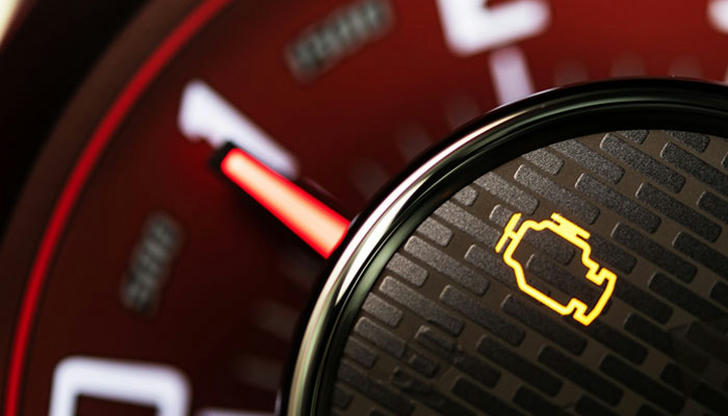
Seeing the check engine light turn on can be alarming, but it doesn't always signal a major mechanical failure.
In some cases, something as simple as a loose or damaged gas cap can trigger the warning. Other times, the issue may involve a sensor, an emissions component, or another part that needs further testing before anyone can identify the real cause.
A diagnostic scan provides trouble codes, but those codes are only the starting point. They point technicians toward the system experiencing a problem—they don't automatically identify the exact part that needs replacement.
If a repair shop immediately recommends replacing a component based only on the code, it's reasonable to ask what additional testing confirmed the diagnosis.
2. Not Every Recommended Service Needs to Be Done Today
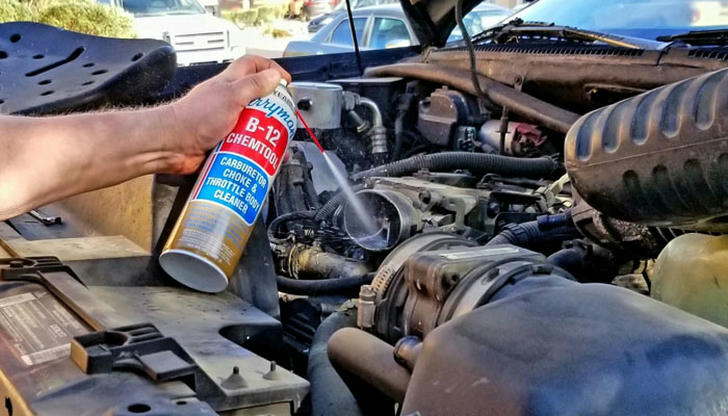
Repair shops often recommend preventive maintenance, and many of these services are genuinely beneficial. However, "recommended" doesn't always mean "urgent."
Services such as fuel injector cleaning, throttle body cleaning, transmission fluid replacement, or cabin air filter replacement may depend on your vehicle's mileage, driving conditions, and manufacturer maintenance schedule.
Before agreeing to additional services, ask:
Is this required by the manufacturer's maintenance schedule?
Is there evidence that this service is needed now?
Can it safely wait until my next maintenance visit?
Understanding the difference between preventive maintenance and immediate repairs can help you prioritize your budget without neglecting your vehicle.
3. Simple Problems Can Look Like Expensive Ones
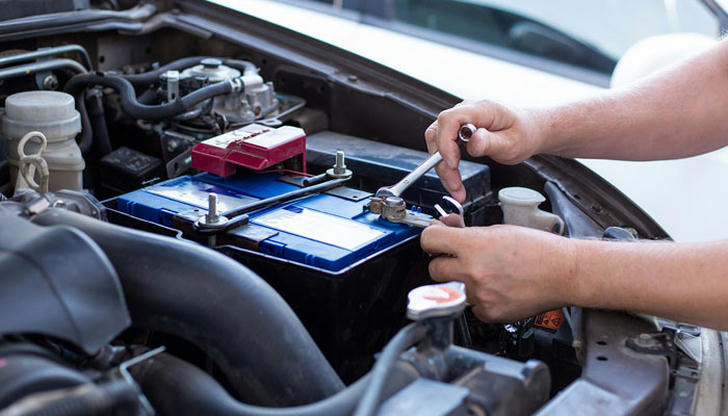
Many vehicle problems have surprisingly simple causes.
A weak battery can cause starting issues that resemble a failing starter motor. Dirty battery terminals may create electrical problems. Low engine oil or coolant can trigger warning lights or unusual engine behavior. Even a blown fuse can disable important systems.
That doesn't mean every problem has an inexpensive solution, but experienced technicians typically check the simplest possibilities before recommending major repairs.
If you're facing a costly estimate, it's worth asking whether the basic causes have already been inspected and ruled out.
4. Replacing Parts Isn't the Same as Diagnosing the Problem
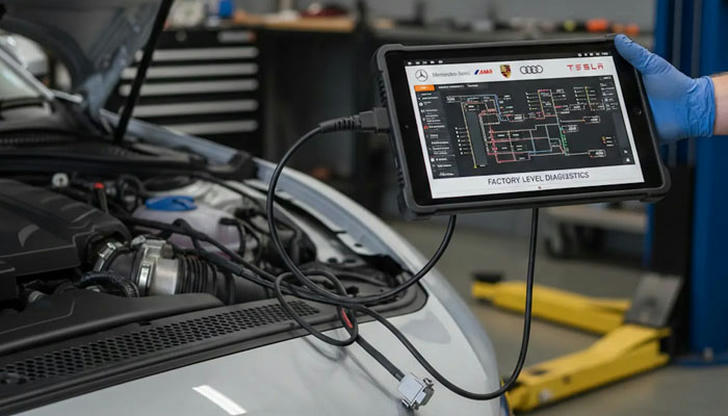
One of the most common misunderstandings in auto repair is assuming that replacing the most likely part will automatically solve the issue.
For example, a battery that won't hold a charge might actually be caused by a failing alternator. Engine performance problems sometimes originate from vacuum leaks rather than faulty sensors. Tire noise may be mistaken for a worn wheel bearing, even though the tires themselves are responsible.
Good technicians rely on testing rather than guesswork.
Don't hesitate to ask questions like:
How was this diagnosis confirmed?
Was the old part tested?
What evidence shows this component has failed?
These questions aren't confrontational—they simply help you understand why the repair is necessary.
5. A Second Opinion Can Save You Hundreds of Dollars
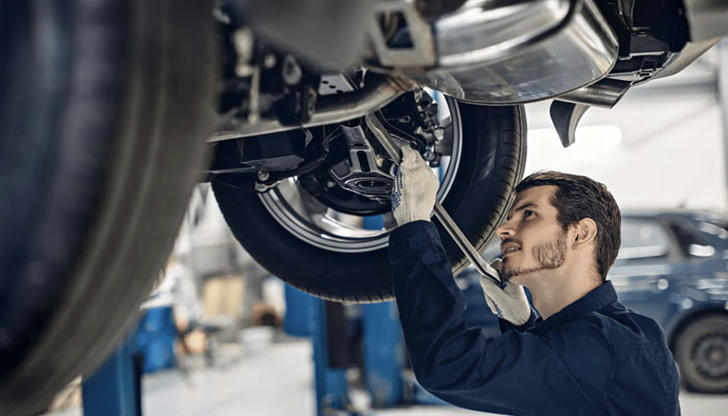
Not every repair estimate will be identical.
Labor rates vary by location, parts options differ, and technicians may recommend different repair approaches depending on the condition of your vehicle.
If you're facing a repair costing several hundred or several thousand dollars—such as transmission work, engine repairs, suspension replacement, or air conditioning repairs—it can be worthwhile to get another estimate.
A reputable repair shop should have no problem providing a written estimate and explaining why certain repairs are recommended.
Comparing two professional opinions often gives you greater confidence before making a significant financial decision.
6. Some Repairs Should Never Be Delayed
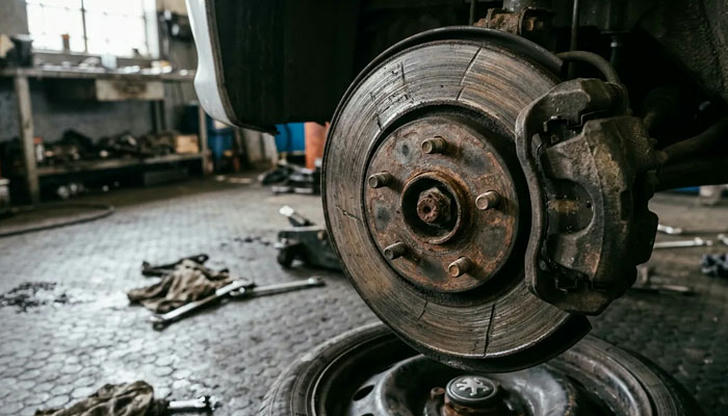
While many maintenance items can wait a few weeks, some problems require immediate attention because they affect your safety or can quickly cause more damage.
These include:
Brake fluid leaks
Severely worn brake pads
Engine overheating
Low oil pressure warnings
Tire sidewall damage
Steering or suspension failures
Continuing to drive with these issues may not only increase repair costs but also put you and other road users at risk.
If you're unsure whether a problem is urgent, ask the repair shop whether the vehicle is safe to drive until the repair can be completed.
7. Preventive Maintenance Is Usually the Cheapest Repair You'll Ever Pay For
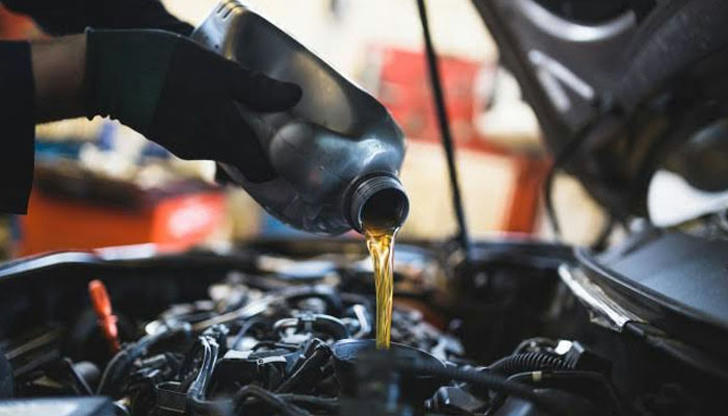
Many expensive repairs begin with small maintenance items that were ignored for too long.
Regular oil changes help protect your engine. Checking coolant levels can reduce the risk of overheating. Proper tire inflation extends tire life and improves fuel economy. Replacing worn belts before they fail can prevent unexpected breakdowns.
Keeping records of routine maintenance also makes it easier to spot recurring issues and can even increase your vehicle's resale value.
A little preventive care today often costs far less than repairing major damage later.
Final Thoughts
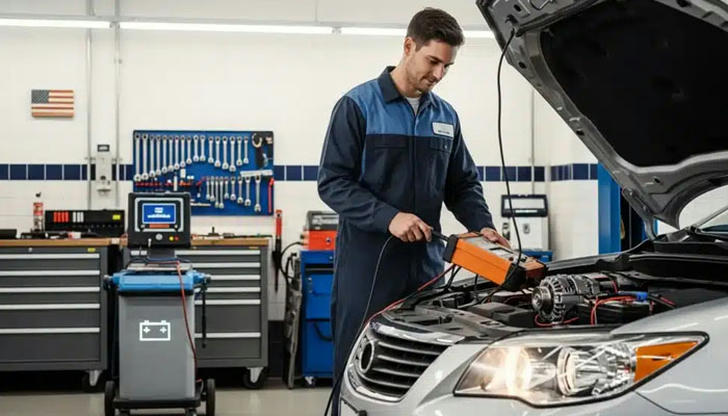
Visiting a repair shop doesn't have to feel intimidating. The more you understand about how vehicle repairs are diagnosed and recommended, the easier it becomes to make informed decisions.
You don't need to know how to replace an engine or rebuild a transmission. Simply knowing when to ask questions, when to seek a second opinion, and which repairs truly deserve immediate attention can help you avoid unnecessary expenses while keeping your vehicle safe and reliable.
The next time your car needs service, remember that the best tool you can bring isn't a wrench—it's knowledge.