
12 Car Problems Every New Driver Should Know How to Handle
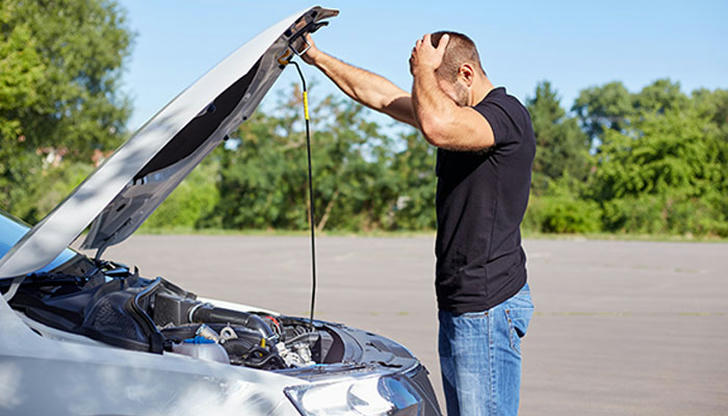
Getting your driver's license is a big step, but learning to drive is only part of owning a car. Sooner or later, you'll hear a strange noise, see a warning light, or find that your car won't start. These situations can be stressful when you're still getting used to life behind the wheel.
The good news is that you don't need to be a mechanic to handle many everyday car problems. Knowing what to look for and when to get help can save you time, money, and a lot of unnecessary worry.
1. A Flat or Low-Pressure Tire
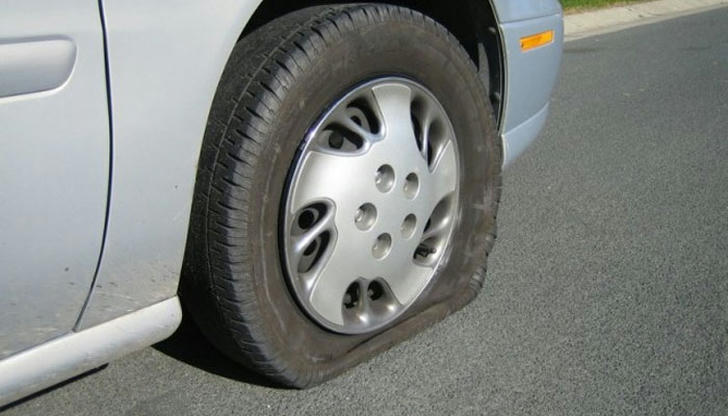
A tire can lose air because of a nail, a small puncture, or a damaged valve. If your car starts pulling to one side or the tire pressure warning light comes on, find a safe place to stop and check the tires.
Use a tire pressure gauge to compare the readings with the recommended pressure listed on the driver's door frame. If a tire is visibly flat, don't keep driving on it. You may need a spare tire or roadside assistance, especially if you're on a busy road.
2. A Dead Car Battery
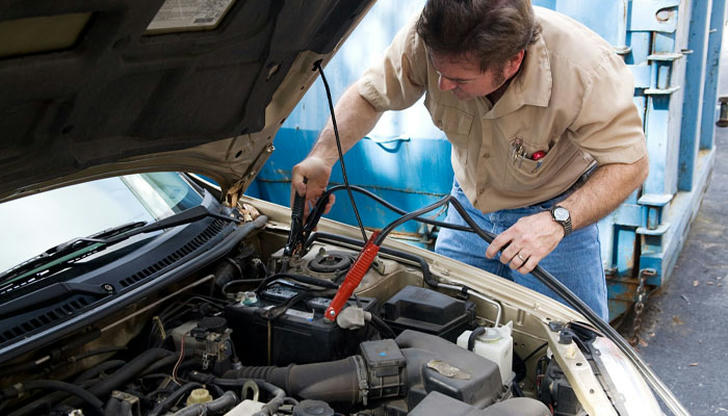
You turn the key or press the start button, but nothing happens. Sometimes you hear a clicking sound, and the engine refuses to start. A weak or dead battery is one possible reason.
Leaving headlights on overnight, cold weather, or an aging battery can cause this problem. Jumper cables or a portable jump starter may help, but follow your vehicle's instructions carefully. If the battery keeps dying, have the charging system and battery checked rather than repeatedly jump-starting the car.
3. The Check Engine Light Comes On
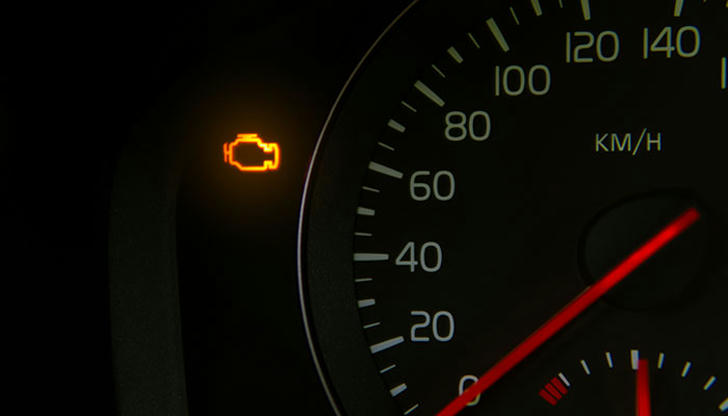
Seeing the check engine light for the first time can be unsettling. It may point to something relatively minor, such as a loose gas cap, or a more serious issue involving the engine or emissions system.
Pay attention to how the car behaves. If the light is flashing, the engine is shaking, or the car is losing power, pull over safely and arrange professional help. A steady light usually means you should schedule an inspection soon. Don't assume the car is fine just because it still drives normally.
4. The Engine Starts Overheating
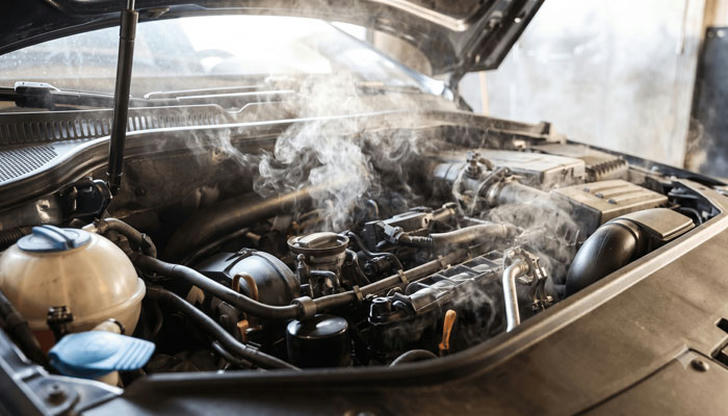
If the temperature gauge moves into the red zone or you see steam coming from under the hood, your engine may be overheating. Continuing to drive can cause serious engine damage.
Turn off the air conditioning, pull over somewhere safe, and switch off the engine. Let it cool completely before checking anything. Never remove a radiator cap while the engine is hot because pressurized coolant can cause severe burns. If the temperature rises again, call for roadside assistance.
5. Strange Noises When You Brake
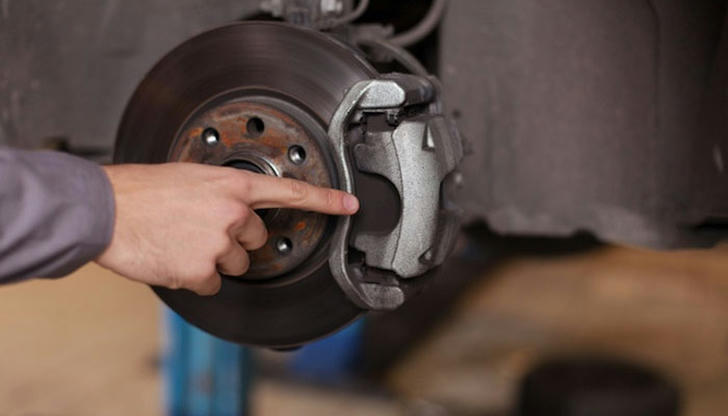
A squealing or grinding sound when you press the brake pedal shouldn't be ignored. It could mean the brake pads are worn, or another part of the braking system needs attention.
A light squeal may sometimes come from dust or moisture, but persistent noise deserves an inspection. Grinding, a soft brake pedal, or a noticeable change in stopping distance is more serious. Avoid driving the car until the braking system has been checked if its ability to stop safely is affected.
6. The Car Starts Pulling to One Side
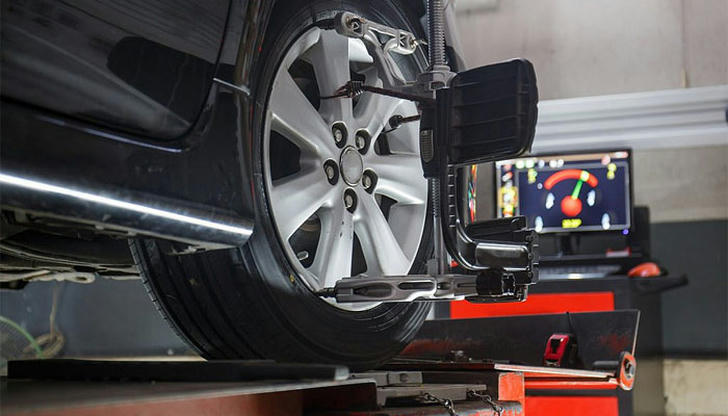
If your car drifts left or right when you're trying to drive straight, something may be wrong. Common causes include uneven tire pressure, wheel alignment problems, or worn suspension components.
Start by checking tire pressure when the tires are cool. If the pressure is correct but the car still pulls, have a mechanic inspect it. Don't try to correct the problem by constantly steering in the opposite direction. A vehicle that doesn't track straight can become harder to control, especially at highway speeds.
7. Windshield Wipers Stop Working Properly
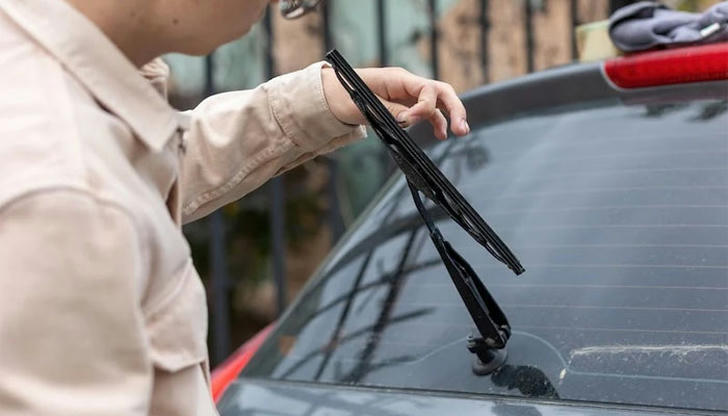
Wipers that leave streaks, skip across the glass, or make irritating noises can make driving in rain much more difficult. Sometimes the problem is simply worn rubber blades.
Check the blades for cracks or damaged edges and replace them when necessary. Also keep enough windshield washer fluid in the reservoir. If the wipers stop moving altogether, the motor, fuse, or linkage may need professional attention. Don't wait for a rainy day to discover that you can't see clearly through the windshield.
8. The Engine Makes an Unusual Noise
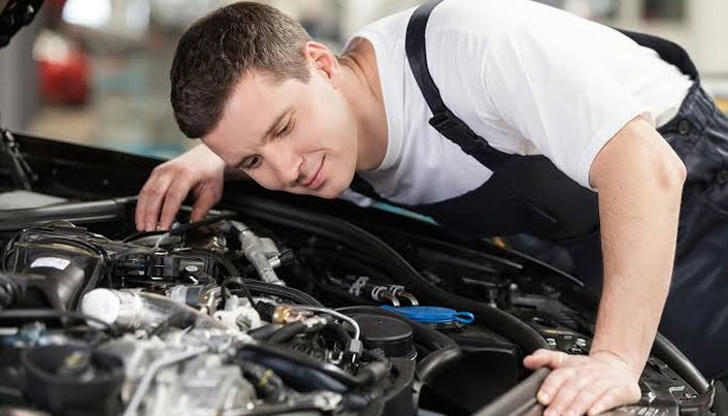
A new rattling, knocking, or grinding sound can be an early warning that something needs attention. The location and timing of the noise can help a mechanic narrow down the cause.
Notice whether it happens during acceleration, when the engine is idling, or when turning. Avoid repeatedly revving the engine to investigate. If you hear loud knocking, see a warning light, or notice a sudden loss of power, stop driving and get professional help.
9. The Headlights or Brake Lights Stop Working
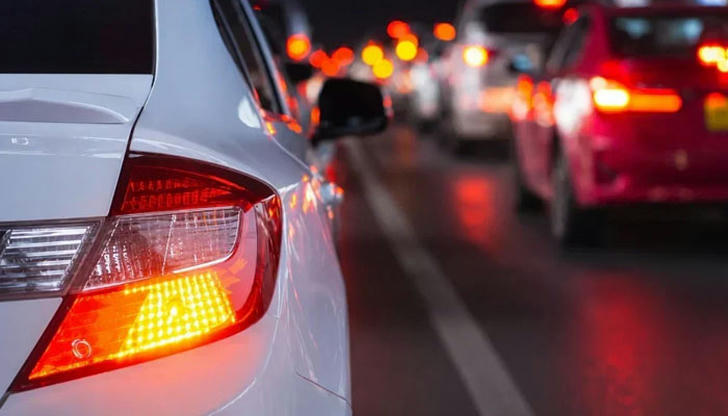
A burned-out bulb can reduce visibility at night and make it harder for other drivers to see your vehicle. A broken brake light is especially risky because drivers behind you may not realize you're slowing down.
Check your exterior lights regularly, including headlights, turn signals, and brake lights. Ask someone to stand behind the car while you press the brake pedal. Some bulbs are easy to replace, but newer vehicles may require specific parts or professional installation.
10. The Car Shakes While Driving
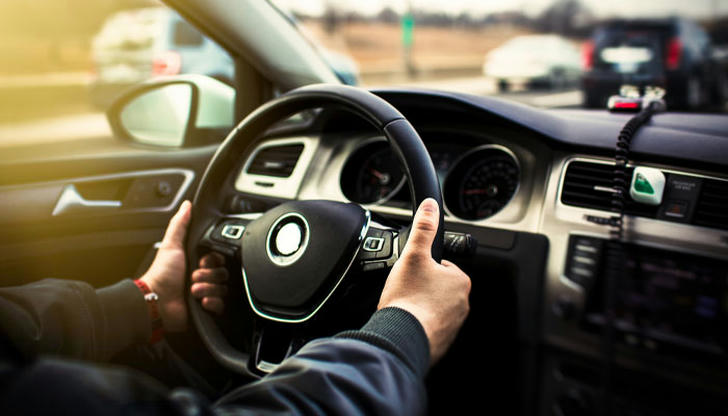
A steering wheel that vibrates at higher speeds may indicate unbalanced tires, uneven tire wear, or wheel alignment problems. Shaking during braking could point to issues with the brake rotors or other braking components.
Pay attention to when the vibration happens and whether it gets worse as you speed up. If the shaking is sudden or severe, slow down carefully and find a safe place to stop. Have the car inspected before continuing regular driving.
11. The Windshield Gets Foggy
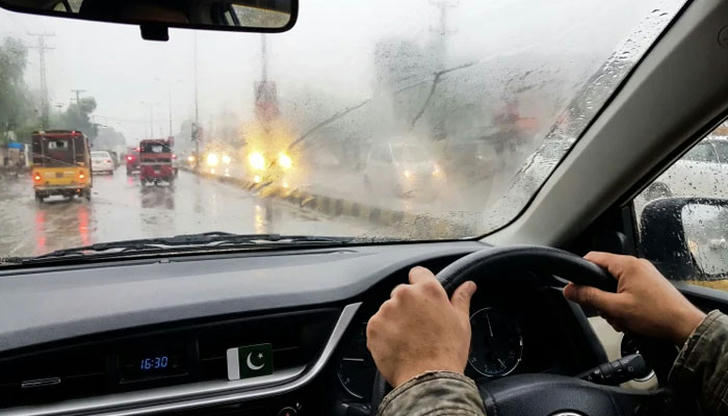
Foggy windows can appear when warm, moist air inside the car meets cold glass. It's common during rainy weather or chilly mornings, but poor visibility can quickly become dangerous.
Turn on the front defroster and adjust the temperature and air conditioning settings to help remove moisture. Use the rear defogger for the back window. Avoid wiping the windshield while driving if it takes your attention away from the road. If the windows fog up repeatedly, check for excess moisture inside the vehicle.
12. The Car Breaks Down on the Road
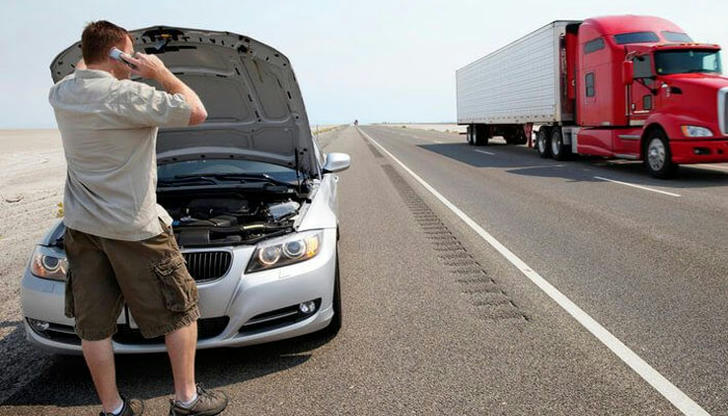
A breakdown can happen even when you've been keeping up with regular maintenance. The engine might stop running, the car could lose power, or a tire problem might force you to pull over.
Your first priority is safety. Move the vehicle away from traffic if possible, turn on the hazard lights, and stay in a safe location. If you're on a highway, avoid standing beside the vehicle near moving traffic. Call roadside assistance and explain your location and what happened. Keep an emergency kit, flashlight, and reflective warning equipment in your car.